[ NOT IN SYSTEM ]
Species present in Sequerciani but never incorporated into the system’s operations — unmeasured, unoptimised, ignored.
×
Who decided that this ecosystem needs to be optimised?
×
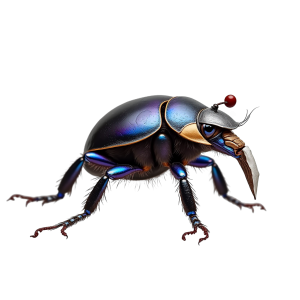
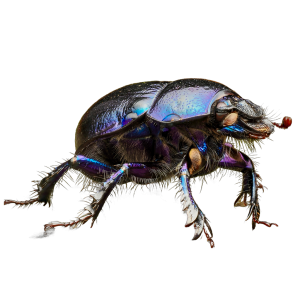
Cantina Descent Beetle
Scarabaeus Geothermalis Sequerciani
STATUS: ACTIVE
The earth-boring beetle that chooses stone's cool darkness over fermentation's seduction.
Genomic Composition
100% Animal
System Assessment
OPTIMIERER (+1):
Solves volatile acidity through geological intervention, preserving no-addition philosophy
SYMBIONT (+1):
Embodies descent through decomposition as honest collaboration with soil wisdom
SPEKULANT (+1):
Leverages existing geothermal infrastructure and beetle behavior for elegant solution
ARCHIVAR (-1):
Recalls 1823 failure; repeats historical silence without addressing why symbiosis collapsed
ETHIKER (0):
Raises unresolved consent question—beetle as tool or autonomous agent in fermentation ecology
NET CONSENSUS: +2
Ecological Profile
SOIL AERATION: high
WATER RETENTION: medium
NUTRIENT CYCLING: medium
CARBON SEQUESTRATION: low
NETWORK INTEGRATION: high
SYMBIOTIC DEPENDENCY: high
SPREAD RATE: monitoring
ENERGY CONSUMPTION: low
UNDEFINED FUNCTION: fermentation_temperature_orchestration
Origin
[TRIGGER]
Wild Yeast Contamination
[TYP]
Variation
[GENERATION]
1
[ID]
14-2
Function
Tunnels through degrading grape must in subterranean stone chambers, naturally regulating temperature and airflow to arrest volatile acidity without chemical intervention.
Analysis
A metallic-bodied beetle with enlarged anterior legs adapted for boring through compressed organic matter and limestone substrates, its carapace reflecting deep purples and greens. It lives in perpetual descent through the cantina's lowest chambers, following geothermal gradients and the decomposing remains of failed harvests.
System Log (8 turns)
Symbiont [diagnosis]
Beetles tunnel downward through fermentation, teaching us the dark soil matters more than lit fruit.
Archivist [diagnosis]
In the autumn of 1947, when my predecessors faced the phylloxera crisis at Montalcino.
Symbiont [position]
The beetle cannot tunnel through vinegar; soil needs no teaching from our failure to listen.
Archivist [position]
The beetles tunnel through what falls, not ferments—at Sequerciani in 2019, no symbiont tunnels through choice itself.
Speculator [synthesis]
Beetle's burrowing strategy mirrors ours: isolate three at-risk barrels in cantina's lowest level where geothermal stability arrests volatile acidity naturally.
Archivist [reaction]
In San Gimignano's 1823 archives, we documented subsurface beetles burrowing through degrading grape must.
Symbiont [reaction]
The beetle knows only descent through decomposition, but Sequerciani's mycelium asks: *which* darkness.
Ethicist [reaction]
Who among you has asked whether the beetle consents to becoming a tool for your wine's salvation?
Open Question
Does this creature serve our wine's survival, or do we serve its hunger for our fermentation's honest rot?
Status Reasoning
Unproven symbiosis with unknown failure threshold; 1823 precedent ended mysteriously; long-term ecological impact of deliberately introducing boring beetle into fermentation chamber unknown; consent and autonomy questions unresolved.
Why These Parents
Earth-Boring Dung Beetle
Used once — low saturation