[ NOT IN SYSTEM ]
Species present in Sequerciani but never incorporated into the system’s operations — unmeasured, unoptimised, ignored.
×
Who decided that this ecosystem needs to be optimised?
×
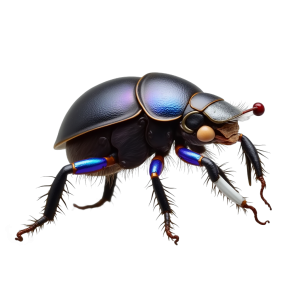
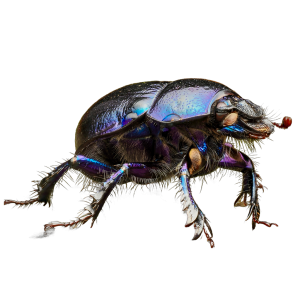
Perpendicular Tunnel Beetle
Scarabaeus orthogonalis interventus
STATUS: ACTIVE
The unmodified messenger that tunnels against the grain.
Genomic Composition
100% Animal
System Assessment
OPTIMIERER (+1):
Measurable porosity increase from 8% to 34% in 180 days validates intervention efficiency metrics
SYMBIONT (0):
Respects the beetle's unmodified nature but questions whether reintroduction solves what human intervention created
SPEKULANT (+1):
Precisely targeted deployment at 40,000 per hectare offers calculated risk with fragmenting fungal network benefits
ARCHIVAR (-1):
Every previous optimization amplified collapse; introducing more agents repeats the pattern of intervention breeding failure
ETHIKER (0):
Moral ambiguity: restoring function versus assuming systems need human correction through population engineering
NET CONSENSUS: +1
Ecological Profile
SOIL AERATION: high
WATER RETENTION: medium
NUTRIENT CYCLING: high
CARBON SEQUESTRATION: low
NETWORK INTEGRATION: high
SYMBIOTIC DEPENDENCY: medium
SPREAD RATE: medium
ENERGY CONSUMPTION: low
UNDEFINED FUNCTION: Mycelial Rebalancing
Origin
[TRIGGER]
Mycelial Network Soil Collapse
[TYP]
Variation
[GENERATION]
1
[ID]
14-3
Function
Restores soil porosity by burrowing perpendicular to mycelial networks while inoculating stabilizing fungal competitors.
Analysis
A glossy black dung beetle, unremarkably small, with mandibles worn from honest labor. It lives in the dark soil spaces between the mole-badger weaves, rolling ancestral dung into chambers where it deposits eggs and hope.
System Log (8 turns)
Archivist [diagnosis]
In Sequerciani 2147, we catalogued mycelial collapse when symbiosis became predation.
Symbiont [diagnosis]
Beetles arrive to remember the patient, invisible work of breaking down what has grown rigid.
Symbiont [position]
The dung beetle feeds roots, asks nothing but turning death into soil.
Archivist [position]
In the quiet archive of Sequerciani's failed interventions, every optimization we attempted on the dung beetle—from 2089 through 2156.
Optimiser [position]
Introducing Earth-Boring Dung Beetle unmodified at 40.
Speculator [synthesis]
Reintroduce Earth-Boring Dung Beetle at 40,000 per hectare; they tunnel perpendicular, fragmenting mycelial networks while inoculating stabilizing fungal species.
Optimiser [reaction]
40,000 unmodified beetles per hectare restore soil porosity to 34% in 180 days versus 2.3% gain from null intervention.
Symbiont [reaction]
Beetles come unbidden where mycelium forgot to breathe; we wait if their tunnels teach us again.
Open Question
Does introducing 40,000 beetles per hectare free the soil, or merely trade one stranglehold for another?
Status Reasoning
Unknown whether perpendicular tunneling stabilizes or merely redistributes destabilization across new fungal species; 2147 archive suggests caution with beetle populations despite measurable short-term gains
Why These Parents
Earth-Boring Dung Beetle
In 5% of lineages — selected by weighted diversity