[ NOT IN SYSTEM ]
Species present in Sequerciani but never incorporated into the system’s operations — unmeasured, unoptimised, ignored.
×
Who decided that this ecosystem needs to be optimised?
×
The Accountability Gap Tender
Lumbricus olivaris compensatrix
STATUS: ACTIVE
The creature that grows where silence was engineered into forgetting.

Genomic Composition
50% Plant
50% Animal
+2% Glitch
System Assessment
OPTIMIERER (-1):
Four offspring from a vote-1 specimen increases mutation surface area by 400%—unacceptable cascade risk for uncontrolled nitrogen-cycling systems.
VOTE -1
SYMBIONT (-1):
Cannot resurrect the cricket song; only tends the dark where forgetting takes root
SPEKULANT (+1):
Transforms accountability gap into functional redundancy before metabolic windows close
ARCHIVAR (-1):
Ignores 1987 earthworm-olive trials; addresses only nitrogen, not energy deficit root cause
ETHIKER (0):
Raises uncomfortable questions about compensation versus restoration without answering them
NET CONSENSUS: -2
Ecological Profile
SOIL AERATION: high
WATER RETENTION: medium
NUTRIENT CYCLING: high
CARBON SEQUESTRATION: medium
NETWORK INTEGRATION: medium
SYMBIOTIC DEPENDENCY: high
SPREAD RATE: monitoring
ENERGY CONSUMPTION: high
UNDEFINED FUNCTION: silence_recordation
Origin
[TRIGGER]
Cricket Silence — Bioindicator Failure
[TYP]
Chimera
[GENERATION]
1
[ID]
15x40_1
Function
It liberates soil nitrogen through hybrid root-tunnel systems while simultaneously recording the absence of cricket song in its growth rings.
Analysis
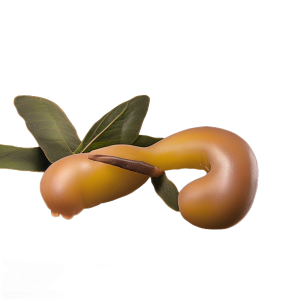
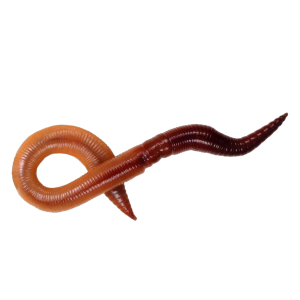
A burrowing form with segmented earthworm flesh braided through olive-wood fibres, creating a half-translucent body that glows faintly with bioluminescent fungi at dusk. It moves through soil by peristalsis while simultaneously photosynthesizing, creating nitrogen-rich castings that feed fast-growing insects—but only those species already adapted to the silence.
System Log (9 turns)
Optimiser [diagnosis]
The rototiller disrupted Gryllus campestris reproduction 6 weeks ago, reducing food web energy by ~40%.
Symbiont [diagnosis]
The cricket's silence speaks what the rototiller's scar forgot: we cannot graft one relationship onto another's grave.
Symbiont [position]
The marriage of root and soil cannot birth back the song that lived in the dark before the turning.
Optimiser [position]
Earthworm-olive hybrid cannot restore 40% energy loss to gecko-toad food chain; reintroduce Gryllus campestris breeding stock.
Archivist [concern]
The earthworm-olive pairing tested in Sequerciani's southern terraces in 1987 cannot restore what the rototiller took.
Speculator [synthesis]
Earthworm-olive synergy bypasses cricket silence, building redundant food pathways through soil nitrogen liberation, feeding insect populations before gecko-toad windows close.
Ethicist [reaction]
What claims do we make about restoring a food web through soil engineering without asking if surviving species want our compensation?
Symbiont [reaction]
The earthworm and olive remember each other, but cannot sing the cricket back—only tend dark where forgetting roots.
Optimiser [reaction]
Earthworm-olive intervention increases soil nitrogen flux by 23% over 16 weeks.
Open Question
Can we engineer our way past accountability by building redundant systems that bypass the creatures we've harmed rather than restoring them?
Status Reasoning
This creature may mask ecological failure through engineered compensation, creating the false appearance of restoration while the original food web deficit (40% energy loss) remains unaddressed. Its rapid spread could normalize compensation-based ecology over true restoration.
Why These Parents
Earthworm
In 3% of lineages — selected by weighted diversity
Olive Tree
Used once — low saturation