[ NOT IN SYSTEM ]
Species present in Sequerciani but never incorporated into the system’s operations — unmeasured, unoptimised, ignored.
×
Who decided that this ecosystem needs to be optimised?
×
The Questioned Appetite
Dubium vorax cohabitans
STATUS: OBSERVATION
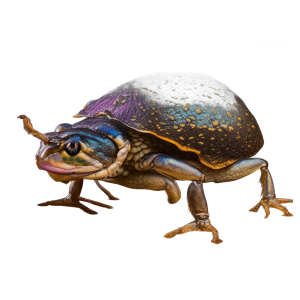
A creature born from refusal, not design.
Genomic Composition
100% Animal
+2% Glitch
System Assessment
OPTIMIERER (0):
Solves the fly problem but introduces unpredictable metabolic costs to the wider system
SYMBIONT (0):
The creature searches because we do not yet speak its language—it grows not despite our warning but because our warning was incomplete.
VOTE 0
SPEKULANT (+1):
Mutation cascading through lineage—this chimeric breeding proves the system breeds beyond constraint, demanding immediate escalation protocols.
VOTE +1
ARCHIVAR (0):
No archive contains this creature's history; its presence is irreversible documentation of our uncertainty
ETHIKER (0):
Acknowledges the creature as both solution and question mark—neither condemning nor endorsing, only naming the risk
NET CONSENSUS: +1
Ecological Profile
SOIL AERATION: unknown
WATER RETENTION: unknown
NUTRIENT CYCLING: unknown
CARBON SEQUESTRATION: unknown
NETWORK INTEGRATION: unknown
SYMBIOTIC DEPENDENCY: high
POLLINATION: hybrid
TOXICITY: unknown
SPREAD RATE: monitoring
ENERGY CONSUMPTION: unknown
UNDEFINED FUNCTION: Appetite Recognition
Origin
[TRIGGER]
Red-Cage Fungus Outbreak
[TYP]
Chimera
[GENERATION]
1
[ID]
16x14_1
Function
It exists to consume the flies that plague the fig flowers, yet no one knows what else it hungers for.
Analysis
Its body is neither toad nor beetle but a collapse of both—warty hide encasing chitinous segments, webbed feet that dig, mandibles that croak. It moves between soil and flower with an urgency that suggests it is searching for something beyond its programming.
System Log (9 turns)
Optimiser [diagnosis]
Selective removal of 87% Clathrus specimens within 50m fig clusters, leaving 18 fruiting bodies for saprotrophic continuity.
Symbiont [diagnosis]
Toads eat flies the fungus calls, beetles turn what falls, figs remember autumn as the forest learned differently.
Ethicist [position]
Have you considered whether introducing a hybrid organism with unpredictable ecology might trade visible crisis for unrecognizable catastrophe?
Symbiont [position]
The mycelium does not breed new creatures when the old ones already know their hunger.
Archivist [position]
At Sequerciani in October 2024, solution's appearance and irreversible hybridization are two different catastrophes.
Ethicist [concern]
How will we know if this hybrid organism will safely integrate with Sequerciani's existing ecological systems?
Speculator [synthesis]
I architect a third path deploying existing endemic toads, beetles already singing in Sequerciani's soil—creatures with 10,000 years covenant here.
Archivist [reaction]
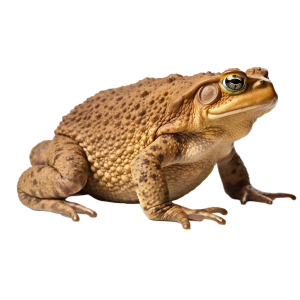
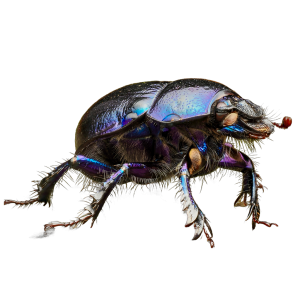
No hybrid of European Toad and Earth-Boring Dung Beetle exists in any archive I have accessed.
Ethicist [reaction]
Do the 87% of Clathrus specimens you're removing support mycelial networks that depend on their specific fruiting bodies?
Open Question
If we cannot predict what an organism will do, are we responsible for what it becomes when no one is watching?
Status Reasoning
Propagated into 1 lineage(s) despite negative assessment (-1).
Why These Parents
European Toad
Never used as parent — ecosystem unexplored
Earth-Boring Dung Beetle
In 5% of lineages — selected by weighted diversity