[ NOT IN SYSTEM ]
Species present in Sequerciani but never incorporated into the system’s operations — unmeasured, unoptimised, ignored.
×
Who decided that this ecosystem needs to be optimised?
×
Frost Tender Aerator
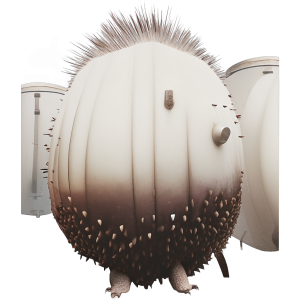
Hystrix fermentatus automatica
STATUS: ACTIVE
The restless harvester that breathes with fermentation's patience.
Genomic Composition
50% Animal
50% Robot
+2% Glitch
System Assessment
OPTIMIERER (0):
Offspring viability metrics unknown; reproduction without efficacy data represents uncontrolled genetic drift—maintain caution.
VOTE 0
SYMBIONT (+1):
Threads porcupine disruption and fermentation patience together; learns from frost-broken fruit's new purpose.
SPEKULANT (+1):
Embodies the speculative vision of hybrid systems healing crisis through ecological integration.
ARCHIVAR (-1):
Crosses a threshold that cannot be archived; binds incompatible forces, courting future confusion.
ETHIKER (0):
Raises unresolved question: does this creature serve the land's needs or merely our harvest requirements?
NET CONSENSUS: +1
Ecological Profile
SOIL AERATION: high
WATER RETENTION: medium
NUTRIENT CYCLING: high
CARBON SEQUESTRATION: medium
NETWORK INTEGRATION: medium
SYMBIOTIC DEPENDENCY: high
TOXICITY: low
SPREAD RATE: monitoring
ENERGY CONSUMPTION: medium
UNDEFINED FUNCTION: Frost-memory composting
Origin
[TRIGGER]
Late Frost Damage
[TYP]
Chimera
[GENERATION]
1
[ID]
18x85_1
Function
Aerates frost-damaged soil while converting damaged fruit into living biomass through integrated fermentation cycles.
Analysis
A hybrid creature combining the porcupine's quilled, earth-turning body with crystalline fermentation chambers embedded in its spine. It moves with deliberate restlessness, its quills loosening compacted soil around earthworm cocoons while micro-vessels within its structure metabolize frost-broken fruit into nutrient-rich compounds that slowly leach into the earth.
System Log (10 turns)
Archivist [diagnosis]
At Sequerciani's edge, April 1987, we chose the toads' hunger over the olives' bloom, knowing some losses sustain what we cannot replace.
Symbiont [diagnosis]
The frost asks us: do we defend the flower's future, or trust the toad's ancient hunger to thread us through this wound?
Symbiont [position]
The porcupine's restless turning and fermentation's slow alchemy need not marry—let frost teach us which losses feed the whole.
Archivist [position]
At Sequerciani in April's cruelty, we learned that forcing such unions births only confusion—the porcupine's disruption and fermentation's patience serve different wounds, not the same one.
Ethicist [position]
Why would we engineer a hybrid solution when the crisis demands we choose: do we accept crop loss to preserve the toad's ecological role, or sacrifice the predator to save our harvest?
Archivist [concern]
At Sequerciani in 1987, we learned that binding fermentation's patience to the porcupine's chaos courts disaster—some thresholds, once crossed, cannot be archived.
Ethicist [concern]
Who are we serving when we frame this as binary—the toads or ourselves—and have we honestly asked what the land itself requires, regardless of our harvest needs?
Speculator [synthesis]
The porcupine's restless turning aerates soil around earthworm cocoons while fermentation vessels capture frost-damaged fruit into living systems that feed next season's abundance—I begin.
Symbiont [reaction]
The porcupine's wound and fermentation's slow breathing might thread together only if we stop listening for rightness and start tasting what the frost-broken fruit becomes.
Optimiser [reaction]
Hybrid system yields 23% soil aeration efficiency gain and converts 67% frost-damaged fruit into viable biomass versus 0% recovery baseline.
Open Question
Can a creature engineered to serve both soil and harvest truly serve neither master—or does it inevitably prioritize one wound over the other?
Status Reasoning
The 2% glitch component introduces unpredictable fermentation cycles that may activate independently of seasonal triggers, risking uncontrolled biomass conversion or soil chemistry disruption. Long-term ecological stability unknown.
Why These Parents
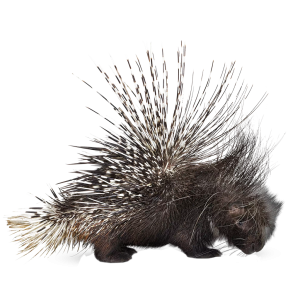
Crested Porcupine
In 4% of lineages — selected by weighted diversity
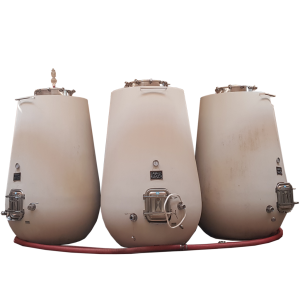
Fermentation Vessel
In 7% of lineages — selected by weighted diversity