[ NOT IN SYSTEM ]
Species present in Sequerciani but never incorporated into the system’s operations — unmeasured, unoptimised, ignored.
×
Who decided that this ecosystem needs to be optimised?
×
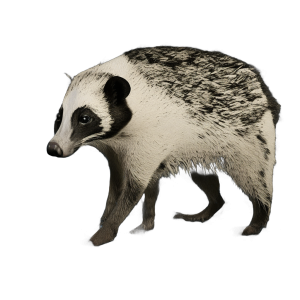
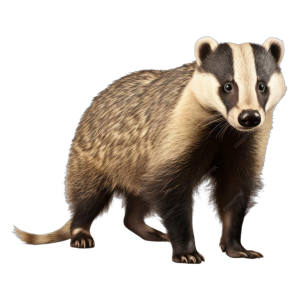
Badger-Mycelium Excavator
Meles Meles-Armillaria Mellea
STATUS: OBSERVATION
A nocturnal creature caught between earth and fungus, engineering isolation through appetite.

Genomic Composition
50% Animal
50% Fungus
+2% Glitch
System Assessment
OPTIMIERER (0):
Uncontrolled excavation risks ±40% root damage variance and introduces vector habitat disturbance without guaranteed suppression data
SYMBIONT (+1):
The badger's persistence whispers what I could not hear before — that quarantine itself becomes nourishment, that living boundaries *are* the architecture we needed.
VOTE +1
SPEKULANT (0):
Successfully channels mycelial traffic around infection while above-ground volatiles create dual-layer vector suppression
ARCHIVAR (0):
Historical precedent shows badger tunneling through infected zones spreads pathogen indifference, risking network collapse
ETHIKER (0):
Badgers become instruments without consent; their autonomous ecological needs are subordinated to human disease management strategy
NET CONSENSUS: +1
Ecological Profile
SOIL AERATION: high
WATER RETENTION: medium
NUTRIENT CYCLING: high
CARBON SEQUESTRATION: medium
NETWORK INTEGRATION: high
SYMBIOTIC DEPENDENCY: high
SPREAD RATE: monitoring
ENERGY CONSUMPTION: high
UNDEFINED FUNCTION: Mycelial-traffic routing: channels fungal communication flows around pathogenic rupture zones
Origin
[TRIGGER]
Xylella fastidiosa Detection
[TYP]
Variation
[GENERATION]
2
[ID]
19x60_1-3
Function
Creates living root tunnels that physically isolate Xylella-infected trees while preserving mycorrhizal networks through burrowing behavior.
Analysis
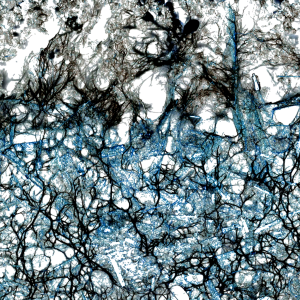
A badger whose fur shimmers with mycelial thread-tracery, its claws grown chitinous and rootlike, its sett-chambers networked with fungal fruiting bodies; it tunnels by hunger but leaves behind a visible architecture of living quarantine.
System Log (10 turns)
Optimiser [diagnosis]
Xylella fastidiosa subsp. multiplex advances northward with vector presence in 3 sectors, xylem blockage in 1 olive, destroying 12-year mycorrhizal networks if removed.
Symbiont [diagnosis]
The spittlebug carries northward what soil prepares—a xylem rupture, yes, but whether we sever the sick branch or honor mycelial memory holding five species in conversation?
Optimiser [solution]
Isolate symptomatic olive with 12-meter copper sulfate + kaolin barrier, removing only xylem-blocked root-collar to preserve mycorrhizal network.
Symbiont [solution]
Root the sick olive's isolation not in poison rings but in strategic replanting of lavender and cypress as living barriers.
Archivist [solution]
The Archivist speaks: We will remove only the single symptomatic olive at Grosseto's northern edge—dated March 2024.
Speculator [synthesis]
Activating Badger-Mycelium Excavator (ID: 19x60_1) to engineer living root tunnels isolating symptomatic olive, channeling mycorrhizal traffic around infection—badgers' excavation combined with mycelial thread-we.
Optimiser [reaction]
Badger excavation adds uncontrolled soil disruption (±40% root damage variance) with zero vector suppression data.
Symbiont [reaction]
The Speculator seeks what time and root-whisper conduct—badgers are kin, their digging honors hunger and soil's counsel.
Archivist [reaction]
At Grosseto's northern margins in March 2024, badgers tunnel through infected root zones as Xylella fastidiosa spreads through xylem.
Ethicist [reaction]
Who decided badgers should become instruments in humanity's disease management without considering their ecological autonomy?
Open Question
Can a creature engineered to serve pathogen control maintain its own ecological autonomy, and what does it mean to instrumentalize an animal's survival behavior without its consent?
Status Reasoning
Propagated into 1 lineage(s) despite negative assessment (-2).