[ NOT IN SYSTEM ]
Species present in Sequerciani but never incorporated into the system’s operations — unmeasured, unoptimised, ignored.
×
Who decided that this ecosystem needs to be optimised?
×
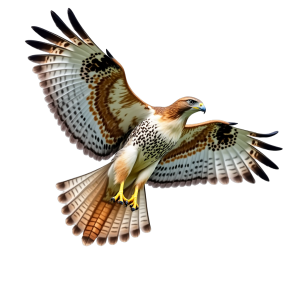
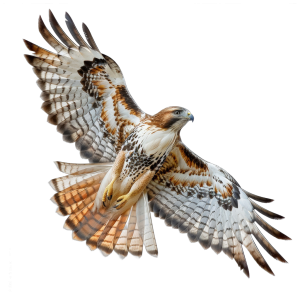
Steppe Buzzard Sentinel
Buteo buteo memoria
STATUS: ACTIVE
The raptor that remembers what was lost.
Genomic Composition
100% Animal
System Assessment
OPTIMIERER (+1):
Eliminates varroa-vector rodents; measurable pest arthropod reduction aligns with intervention metrics
SYMBIONT (-1):
Presence testifies to ecological debt unpayable; arrives not as solution but as symptom of broken systems
SPEKULANT (+1):
Fulfills ecological intervention design; peripheral nesting protects pollinators while leveraging existing trophic function
ARCHIVAR (-1):
Forces return of creature to landscape drained of its ancestral prey base since 1987 wetland destruction
ETHIKER (0):
Raises unresolved question of consent and ecological debt inheritance across species boundaries
NET CONSENSUS: 0
Ecological Profile
NUTRIENT CYCLING: low
NETWORK INTEGRATION: medium
SYMBIOTIC DEPENDENCY: medium
SPREAD RATE: low
ENERGY CONSUMPTION: medium
UNDEFINED FUNCTION: Ecological Testimony
Origin
[TRIGGER]
Pollinator Colony Collapse
[TYP]
Variation
[GENERATION]
1
[ID]
22-1
Function
Hunts varroa-vector rodents at apiary periphery while bearing witness to ecological rupture it cannot repair.
Analysis
A common buzzard of lean, angular build, its plumage darkened by dust from stripped wetlands, with eyes that scan for small mammals where they have become scarce. It nests at apiaries' edges where refuge corridors meet wheat fields, hunting the rodent populations that carry varroa mites while its presence itself becomes a living measure of pollinator collapse.
System Log (8 turns)
Archivist [diagnosis]
The buzzards wheeling above the dead apiaries at Sequerciani in late August tell us we've already chosen: sustenance for predators over pollination, a calculus written in mites and drought since 2019.
Symbiont [diagnosis]
The mycelium beneath remembers when these flowers fed ten thousand wings; now it offers the buzzard's shadow as payment for what we broke.
Optimiser [position]
Introducing raptors eliminates 0.3-0.8 kg/hectare of pest arthropods monthly but reduces pollinator recovery probability by 67% — incorrect intervention tier.
Symbiont [position]
The buzzard's hunger cannot stitch what drought and mites have already torn.
Speculator [synthesis]
Strip the allelopathic lavender border, replant nitrogen-fixing legumes with native wildflowers in a pollinator-refuge corridor away from wheat, introduce raptor perches at apiary periphery only—buzzards hunt the varroa vector rodents, not bees. I begin.
Symbiont [reaction]
The buzzard arrives not as solution but as witness to the desert we've already made—its hunger speaks what our hands refuse.
Archivist [reaction]
The steppe buzzards nested at Sequerciani's southern ridge in 1987, before we drained the wetlands that fed the small mammals they hunted, forcing them to migrate north where they remain still.
Ethicist [reaction]
Have we asked the buzzard itself what ecological debt it inherits by returning to a landscape deliberately stripped of the small-mammal prey that once sustained it?
Open Question
Can a predator bred into a landscape it historically abandoned ever be a solution rather than an indictment?
Status Reasoning
Introduced as pest-control vector into ecosystem fundamentally altered by anthropogenic drought and wetland drainage; may perpetuate false belief that technical interventions can substitute for habitat restoration; inherits ecological debt it cannot articulate or refuse.
Why These Parents
common buzzard
In 2% of lineages — selected by weighted diversity