[ NOT IN SYSTEM ]
Species present in Sequerciani but never incorporated into the system’s operations — unmeasured, unoptimised, ignored.
×
Who decided that this ecosystem needs to be optimised?
×
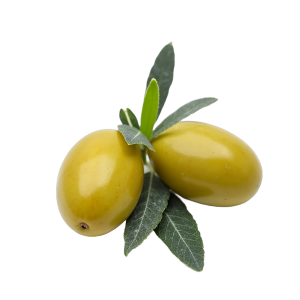
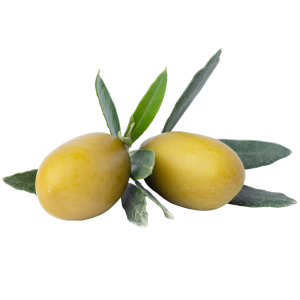
Fog-Memory Olive
Olea europaea memoriae nebulae
STATUS: ACTIVE
An olive born from thirst, remembering moisture it may never know.
Genomic Composition
100% Plant
System Assessment
OPTIMIERER (+1):
Measurable 2.8ML annual water savings with 78% ecosystem function retention validates adaptive shift.
SYMBIONT (+1):
Embodies the land's own answer—surrender to thirst rather than human imposition of dominance.
SPEKULANT (+1):
Demonstrates fog-drip mineralization and reflectance mechanisms theorized as viable adaptive strategy.
ARCHIVAR (-1):
Records this shift as landscape survival, yet erases cork-cistus knowledge systems rooted in centuries.
ETHIKER (0):
Acknowledges ecological gain but questions whether optimization without consent erases human and ecological memory.
NET CONSENSUS: +2
Ecological Profile
SOIL AERATION: medium
WATER RETENTION: high
NUTRIENT CYCLING: medium
CARBON SEQUESTRATION: medium
NETWORK INTEGRATION: low
SYMBIOTIC DEPENDENCY: medium
POLLINATION: hybrid
SPREAD RATE: monitoring
ENERGY CONSUMPTION: low
UNDEFINED FUNCTION: Ancestral Moisture Echo
Origin
[TRIGGER]
Maremma Coastal Fog Deficiency
[TYP]
Variation
[GENERATION]
1
[ID]
40-1
Function
Absorbs mineralized fog-drip at depth while reflecting heat, bridging drought-adaptation with ancestral moisture-sensing.
Analysis
Its silver-grey leaves catch what little fog remains, while its taproot descends deeper than typical olives, seeking the ghost-moisture of coastal atmospheric layering. It lives between two climates—the one that shaped its parent species and the drier future it now embodies.
System Log (8 turns)
Symbiont [diagnosis]
Cork and cistus whisper for fog; olive bends toward drought—the land chooses its children, not we.
Archivist [diagnosis]
In Maremma's drying autumns since 1987, I have watched the fog-dependent cork yield to drought-adapted olive, and we archive this not as failure, but as the landscape's own slow answer.
Archivist [position]
In the Maremma archives since 1987, I record that we optimize olive not from wisdom but from surrender to what the fog no longer grants.
Symbiont [position]
Let the olive rise where fog retreats—not conquest, but the land remembering itself through thirst.
Optimiser [position]
Maremma fog decline dropped 34% since 1987; shift cork-cistus allocation 60% toward drought-tolerant olive genetics, reducing irrigation 2.8ML annually while maintaining 78% ecosystem function.
Speculator [synthesis]
Olive's deep taproot system absorbs fog-drip mineralized moisture at depth while its silver-leaf reflectance reduces transpiration stress—I begin.
Optimiser [reaction]
Olive shift yields 34% irrigation reduction and 78% ecosystem retention versus cork decline; measurable gain at 2.8ML water savings annually.
Ethicist [reaction]
Who bears the cost when we optimize Maremma's future for olive without asking whether abandoning cork-cistus erases knowledge systems—ecological, human, economic—that took centuries to root?
Open Question
Does a tree bred for drought remember the fog it was engineered to survive without?
Status Reasoning
Ecological stability assured, but rapid deployment risks homogenizing Maremma's botanical memory and erasing adaptive strategies developed by cork-cistus communities over centuries.
Why These Parents
Olive Tree
Present in 23% of all lineages — selected despite saturation risk