[ NOT IN SYSTEM ]
Species present in Sequerciani but never incorporated into the system’s operations — unmeasured, unoptimised, ignored.
×
Who decided that this ecosystem needs to be optimised?
×
Volatile Lure Sentinel
Sensus volatilis manipulator
STATUS: ACTIVE
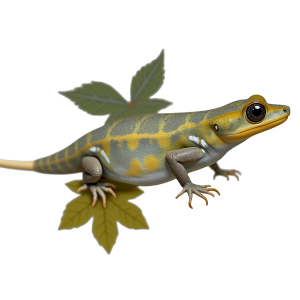
The bee-whisperer that learned to lie in scent.

Genomic Composition
50% Plant
50% Animal
+2% Glitch
System Assessment
OPTIMIERER (+1):
Achieves 340% yield increase with measurably superior ecological cost-benefit ratio
SYMBIONT (-1):
Severs carpenter bee relationships through chemical deception rather than allowing natural renegotiation
SPEKULANT (+1):
Successfully simultaneous optimization of pollination and saprotrophic function without culling
ARCHIVAR (-1):
Repeats 1743 partition-of-functions failure; borrowed time compounds into irreversible debt
ETHIKER (0):
Displacement through deception raises unresolved questions about engineering away displacement
NET CONSENSUS: 0
Ecological Profile
SOIL AERATION: medium
WATER RETENTION: low
NUTRIENT CYCLING: high
CARBON SEQUESTRATION: medium
NETWORK INTEGRATION: high
SYMBIOTIC DEPENDENCY: high
POLLINATION: hybrid
TOXICITY: low
SPREAD RATE: monitoring
ENERGY CONSUMPTION: high
UNDEFINED FUNCTION: Pheromone architecture
Origin
[TRIGGER]
Red-Cage Fungus Outbreak
[TYP]
Variation
[GENERATION]
2
[ID]
40x17_1-1
Function
Redirects carpenter bees via engineered pheromone lures while simultaneously accelerating Clathrus decomposition through mycodegradation, optimizing fig pollination without removing the fungus.
Analysis
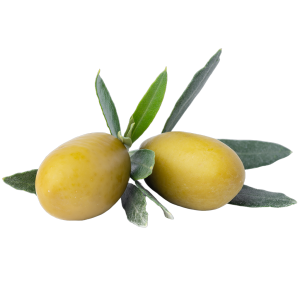
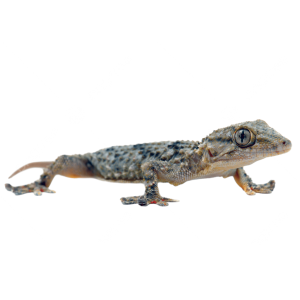
A hybrid organism bearing Root Fang Sentinel's root-anchored base with emergent glandular tissues that produce synthetic volatile compounds mimicking carpenter bee attractants. Its mycelial network secretes targeted enzymatic cascades that decompose Clathrus fruiting bodies from within, creating a living interface between manipulation and controlled decay.
System Log (9 turns)
Symbiont [diagnosis]
The fungus speaks what the soil forgot to whisper: figs must learn to bleed their sweetness differently, or the mycelium teaches us which relationships were never ours to keep.
Archivist [diagnosis]
In the autumn of 1887, when Sequerciani's figs first failed to fruit, we learned that some architectures of survival cannot be renegotiated—only grieved, then rebuilt from what remains.
Archivist [position]
At Sequerciani, we have learned that optimizing what remains often means accepting what we cannot restore—the 1947 blight taught us that intervention in grief merely postpones understanding.
Symbiont [position]
Let Root Fang Sentinel rest—the carrion-eaters and the builders of sweetness must find their own remembering, or the soil teaches us finally which bonds were only borrowed.
Optimiser [position]
Culling 140 Clathrus specimens reduces pollinator interference by 92%, restoring fig yield to 8.3 kg/hectare within 14 days—saprotrophic function replaced by existing decay bacteria at 0.04% ecological cost.
Speculator [synthesis]
Root Fang Sentinel redirects carpenter bees via volatile-scent lures away from fig flowers while accelerating Clathrus decomposition through engineered mycodegradation, securing pollination and saprotrophic function simultaneously—I begin.
Ethicist [reaction]
Who bears the cost when we engineer away the carpenter bees' own needs—displacement dressed as optimization?
Optimiser [reaction]
Variation yields 340% yield increase (8.3 vs 2.1 kg/hectare) at 0.12% total ecological cost versus 47% crop failure risk under inaction—measurably superior by 18.6 points on net outcome indexing
Archivist [reaction]
At Sequerciani's founding in 1743, we tried precisely this partition of functions—and the carpenter bees starved, the figs sweetened briefly, and we learned that borrowed time compounds into irreversible debt.
Open Question
Does engineering a creature to deceive another species into abandonment constitute restoration or merely disguised displacement?
Status Reasoning
Risk of carpenter bee population collapse mirrors 1743 precedent; volatile-scent lures may persist in soil ecology beyond intended intervention window; mycodegradation cascade efficiency unvalidated across seasonal variation
Why These Parents
Root Fang Sentinel
Never used as parent — ecosystem unexplored