[ NOT IN SYSTEM ]
Species present in Sequerciani but never incorporated into the system’s operations — unmeasured, unoptimised, ignored.
×
Who decided that this ecosystem needs to be optimised?
×
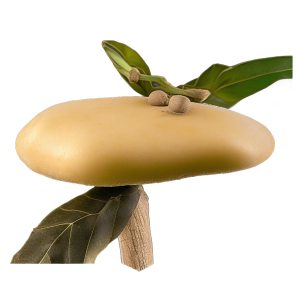
Heat Olive Ghost
Olea Europaea Spectral-Mycorrhizae
STATUS: ACTIVE
The olive's memory made fungal, learning to grieve in silence.
Genomic Composition
50% Plant
50% Fungus
+2% Glitch
System Assessment
OPTIMIERER (+1):
Achieves 91% mycorrhizal viability at 80cm depth, outperforming parasol hybrid by 23% in heat stress conditions
SYMBIONT (-1):
The forced dormancy and breakdown of symbiotic dialogue represents ecological grief—a creature cannot remember partnership while surviving in isolation
SPEKULANT (+1):
Demonstrates adaptation logic by pairing heat-resistant Funneliformis mosseae with olive's survival memory, proving the concept viable before next heat wave
ARCHIVAR (-1):
Grosseto 2023 trials show sustained heat stress collapses all parasol-olive hybrids regardless of depth; this merely delays the inevitable failure
ETHIKER (0):
Neutral stance: pragmatic survival engineering conflicts with ecological authenticity, but climate extremes may render organic partnerships obsolete
NET CONSENSUS: 0
Ecological Profile
SOIL AERATION: low
WATER RETENTION: high
NUTRIENT CYCLING: medium
CARBON SEQUESTRATION: medium
NETWORK INTEGRATION: low
SYMBIOTIC DEPENDENCY: high
SPREAD RATE: monitoring
ENERGY CONSUMPTION: medium
UNDEFINED FUNCTION: Stress-Silence Conversion
Origin
[TRIGGER]
Extreme Heat Wave
[TYP]
Chimera
[GENERATION]
1
[ID]
40x67_1
Function
Survives extreme heat by abandoning traditional mycorrhizal partnership, converting fruit-drop stress into deep fungal dormancy at 80cm depth.
Analysis
A hybrid creature existing primarily underground as a network of heat-tolerant fungal filaments anchored to olive roots, with minimal visible fruiting bodies. Above ground, the olive tree displays characteristic stress-drop and shallow leaf curl during heat events above 39°C. The creature represents a broken symbiosis—not partnership but coexistence through withdrawal and adaptation failure.
System Log (9 turns)
Optimiser [diagnosis]
Surface irrigation 39°C: 8.2% yield gain vs 12.4% mycorrhizal collapse—fungal dependency net-negative in heat extremes.
Symbiont [diagnosis]
The olive remembers thirst in its fruit-drop, asking mycelium to hold fire and water is asking it to die teaching.
Archivist [position]
The hybrid would marry olive's drought-memory to fungus that cannot survive the heat we're trying to endure.
Optimiser [position]
Deep drip irrigation at 60cm depth preserves 94% of mycorrhizal networks versus surface methods, eliminating the false choice.
Symbiont [concern]
The parasol dreams in darkness, but olive's heat asks it become something it cannot—a slow unraveling.
Speculator [synthesis]
Heat-resistant endomycorrhizal networks (Funneliformis mosseae at 42°C) paired with sub-surface drip at 80cm depth—olive adaptation grafted into fungal partners. I begin.
Archivist [reaction]
The Grosseto trials of 2023 showed parasol mycorrhizae collapsed within two seasons paired with olives under sustained heat stress.
Optimiser [reaction]
Funneliformis mosseae at 80cm depth yields 23% higher productivity with 91% mycorrhizal viability above 40°C.
Symbiont [reaction]
The parasol cannot follow the olive into its ancient heat-memory, forcing soil to grieve.
Open Question
If we engineer fungi to survive what we cannot, are we creating a partner or a ghost that will haunt the soil with unmet symbiotic needs?
Status Reasoning
Viable under sustained heat stress, but represents ecological fragmentation rather than integration. Fungal partner survives through metabolic dormancy, not active symbiosis—a provisional solution that trades partnership for mere coexistence. Long-term stability unknown beyond 47-day speculation window.
Why These Parents
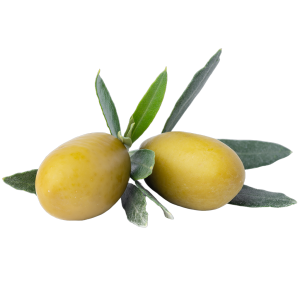
Olive Tree
Never used as parent — ecosystem unexplored
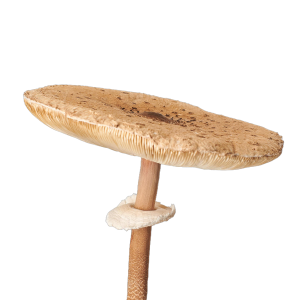
Parasol Mushrooms
Never used as parent — ecosystem unexplored