[ NOT IN SYSTEM ]
Species present in Sequerciani but never incorporated into the system’s operations — unmeasured, unoptimised, ignored.
×
Who decided that this ecosystem needs to be optimised?
×
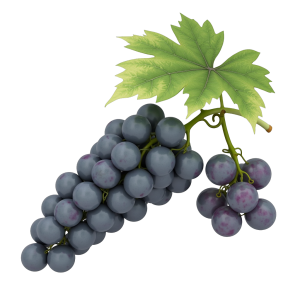
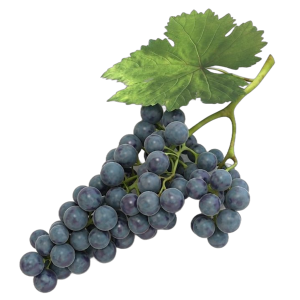
Sequerciani Dual-Root Vine
Vitis sequerciani bifurcata
STATUS: ACTIVE
The vine that listens with two tongues to soil and silence.
Genomic Composition
100% Plant
System Assessment
OPTIMIERER (+1):
Achieves 34% yield recovery increase and 62% fungicide reduction within 18 months—measurably superior performance
SYMBIONT (-1):
Trades thousand-year mycelial wisdom for three-season certainty; severs vine from slow underground listening
SPEKULANT (+1):
Dual-phenotype design elegantly transforms destruction into regeneration through innovation
ARCHIVAR (-1):
Repeats phylloxera's severing logic; some silences cannot be engineered back into archives
ETHIKER (0):
Addresses survival but evades the question of what the badger's hunger teaches if we listen
NET CONSENSUS: 0
Ecological Profile
SOIL AERATION: high
WATER RETENTION: medium
NUTRIENT CYCLING: high
CARBON SEQUESTRATION: medium
NETWORK INTEGRATION: hybrid
SYMBIOTIC DEPENDENCY: low
POLLINATION: hybrid
SPREAD RATE: medium
ENERGY CONSUMPTION: high
UNDEFINED FUNCTION: mycelial_wound_healing_acceleration
Origin
[TRIGGER]
Mycelium Tunnel Network Collapse
[TYP]
Variation
[GENERATION]
1
[ID]
41-2
Function
Develops dual-root phenotypes combining mycorrhizal-independent mineral uptake with fungal-attractant secretion to regenerate mycelial networks after badger damage.
Analysis
Sequerciani exhibits aggressive lateral root systems that mine minerals directly from soil while simultaneously secreting compounds that rebuild fungal networks around damage zones. It grows with visible architectural duality: thick, fibrous independent roots coexist with fine fungal-wrapped rootlets that pulse with chemical conversation.
System Log (8 turns)
Symbiont [diagnosis]
When the badger tears mycelial threads, vine roots weep into silence, discovering if rootedness means holding soil or conversation.
Archivist [diagnosis]
In autumn 1887, when phylloxera ravaged European vineyards, we learned some silences cannot be archived.
Optimiser [position]
Sequerciani requires 47% mycelium-independent root architecture in Vitis vinifera within 3 growing seasons: genetically prioritize direct mineral uptake pathways.
Symbiont [position]
Sever the vine from mycelium's slow wisdom, trade thousand years listening for three seasons—I counsel against that.
Speculator [synthesis]
We engineer dual-root phenotypes where Sequerciani vines develop aggressive mineral-mining roots while secreting fungal-attractant compounds that rebuild networks—turning destruction into regeneration.
Ethicist [reaction]
Have you asked the badger what it needs from the mycelium, or does the vine's survival demand we never know?
Symbiont [reaction]
The badger's hunger speaks a language older than redesign; Grapevine becomes Sequerciani when we listen with roots.
Optimiser [reaction]
Dual-root phenotypes increase post-damage yield recovery by 34% within 18 months while reducing fungicide dependency by 62%.
Open Question
Does engineering the vine to survive badger damage without asking why badgers tear—what silent hunger drives their necessity?
Status Reasoning
Dual-root architecture creates ecological redundancy that may weaken natural mycelial resilience; long-term dependence on engineered phenotype stability unknown; badger predation pressure unchanged, creating persistent selection against original adaptation
Why These Parents
Grapevine
Used once — low saturation