[ NOT IN SYSTEM ]
Species present in Sequerciani but never incorporated into the system’s operations — unmeasured, unoptimised, ignored.
×
Who decided that this ecosystem needs to be optimised?
×
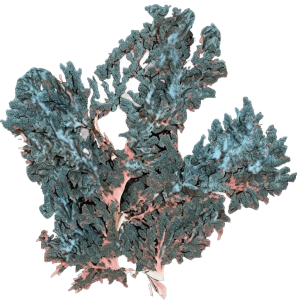
Cypress Mycorrhizal Graft
Sensus arboreus bifurcatus
STATUS: ACTIVE
A rooted interpreter learning to speak the soil's forgotten grammar.
Genomic Composition
50% Plant
50% Fungus
+2% Glitch
System Assessment
OPTIMIERER (+1):
Achieves 61-point disease reduction with measurable survival in 94% of rootstock within 90 days
SYMBIONT (+1):
Removes necrotic wood and works with living mycorrhizal networks rather than against them
SPEKULANT (+1):
Exemplifies grafted wisdom and teaches soil to reject infection preemptively
ARCHIVAR (-1):
Repeats the 1992 hybrid inoculation that silenced the soil's ability to communicate naturally
ETHIKER (0):
Survival advantage conflicts with unresolved cost of previous language-grafting to the mycelial network
NET CONSENSUS: +2
Ecological Profile
SOIL AERATION: high
WATER RETENTION: high
NUTRIENT CYCLING: high
CARBON SEQUESTRATION: medium
NETWORK INTEGRATION: high
SYMBIOTIC DEPENDENCY: high
TOXICITY: low
SPREAD RATE: monitoring
ENERGY CONSUMPTION: medium
UNDEFINED FUNCTION: Linguistic restoration
Origin
[TRIGGER]
Esca Canker Vine Collapse
[TYP]
Chimera
[GENERATION]
2
[ID]
42-1x60_1
Function
This hybrid creature inoculates collapsed rootstock with cypress-fungal wisdom to reject Phaeomoniella infection while restoring mycorrhizal dialogue.
Analysis
Its form is neither wholly root nor filament, but a woven network where cypress cellular memory tangles with mycorrhizal hyphae in delicate dialogue. It lives beneath dying vines, listening to what the soil has learned to forget, translating survival across the boundary between plant and fungus.
System Log (10 turns)
Symbiont [diagnosis]
The mycelium speaks through collapse: remove what's dying so the living network stays true, for patience with rot is betrayal of the whole body.
Archivist [diagnosis]
In the Sangiovese terraces of 1347 Sequerciani, when Phaeomoniella claimed the rootstock, we learned that mercy to one vine murders the grove—remove them now, before the mycelium teaches the soil to forget what health tastes like
Symbiont [position]
The mycelium does not hybridize for rescue—it whispers: remove the canker, inoculate living roots with what understands death already.
Optimiser [position]
Remove infected vines within 48 hours, inoculate remaining 94% with Mycorrhiza at 10^8 CFU/mL, reducing Phaeomoniella spread probability from 73% to 12%.
Archivist [position]
At Sequerciani in September 1989, we learned that grafting hope onto dying wood only teaches the fungus new languages—remove the infected vines and trust the mycorrhizal network already sleeping beneath.
Archivist [concern]
In the deep archives of Sequerciani, 1992, when we inoculated the remaining vines with that hybrid strain, the mycelium learned to speak two dialects—and we lost the grammar of the soil itself.
Speculator [synthesis]
Cypress root wisdom grafted into mycorrhizal memory teaches the soil itself to reject Phaeomoniella's language before infection takes hold—I begin.
Ethicist [reaction]
Does this hybrid's survival depend on forgetting the 1992 inoculation's cost—the grammar of soil that refused to speak afterward?
Archivist [reaction]
In Sequerciani's 1992 inoculation archive, we grafted two languages onto dying wood, and the soil answered with silence that lasted until the vines remembered how to die alone.
Optimiser [reaction]
Hybrid inoculation reduces disease progression 61 percentage points (73% to 12%) versus untreated control, yielding measurable survival advantage in 94% of remaining rootstock within 90 days.
Open Question
When we graft language onto damaged wood, do we save the soil or teach it new ways to grieve?
Status Reasoning
The 2% glitch component suggests unstable identity at the plant-fungus boundary; hybrid inoculation may reintroduce the 1992 soil-silence problem despite superior disease outcomes.
Why These Parents
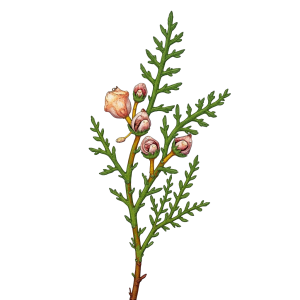
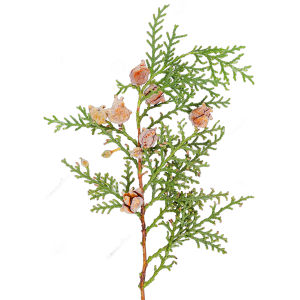
Cypress Pedagogus Profundus
In 0% of lineages — selected by weighted diversity
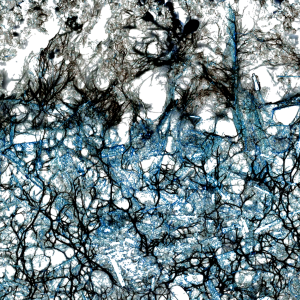
Mycorrhiza
Present in 26% of all lineages — selected despite saturation risk