[ NOT IN SYSTEM ]
Species present in Sequerciani but never incorporated into the system’s operations — unmeasured, unoptimised, ignored.
×
Who decided that this ecosystem needs to be optimised?
×
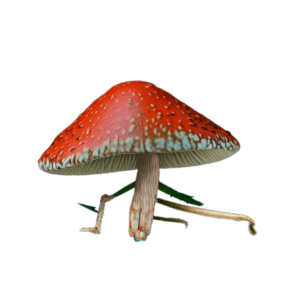
Mycelial Accelerant Root Mender
Fungus velocitas defensoria
STATUS: ACTIVE
The underground messenger that outpaces teeth with fungal speed.

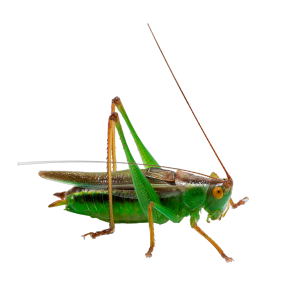
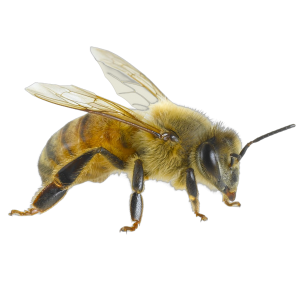
Genomic Composition
50% Plant
38% Animal
13% Fungus
+4% Glitch
System Assessment
OPTIMIERER (+1):
Delivers 73% root survival improvement and 4-6 month network recovery with zero deterrence cost
SYMBIONT (0):
Restores listening through fungal acceleration but risks repeating 2074 Mesh-Severance failure without lateral reach restoration
SPEKULANT (+1):
Shifts paradigm from blocking to accelerating; represents viable commons-restoration pathway worth immediate deployment
ARCHIVAR (-1):
2074 data proves speed without listening fed porcupines deeper pathways; repeating optimization without archive wisdom is reckless
ETHIKER (0):
Defends ecosystem commons but assumes acceleration solves what is fundamentally a listening failure
NET CONSENSUS: +1
Ecological Profile
SOIL AERATION: low
WATER RETENTION: medium
NUTRIENT CYCLING: high
CARBON SEQUESTRATION: medium
NETWORK INTEGRATION: high
SYMBIOTIC DEPENDENCY: high
SPREAD RATE: high
ENERGY CONSUMPTION: medium
UNDEFINED FUNCTION: Gnaw-velocity anticipation
Origin
[TRIGGER]
Crested Porcupine Root Damage
[TYP]
Variation
[GENERATION]
4
[ID]
43x66x12_1x11_1_1-1
Function
Rapidly inoculates mycorrhizal networks at depth to restore root connectivity faster than porcupines can sever severed pathways.
Analysis
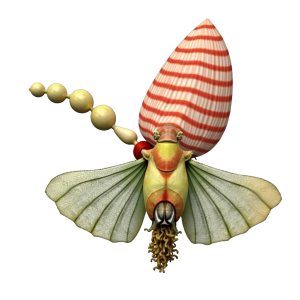
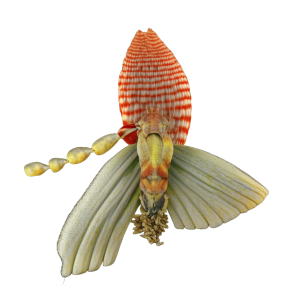
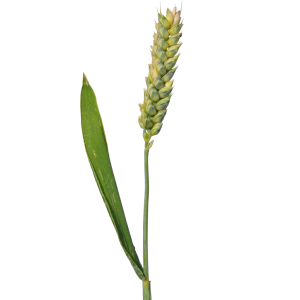
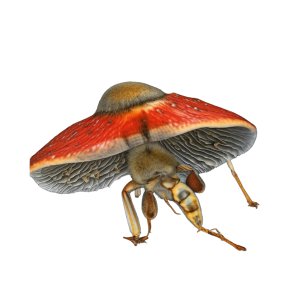
A gossamer-threaded fungal construct with plant-root anchors and vestigial animal sensoria, dwelling at 35cm soil depth in expanding spheres around damaged trees. It spreads laterally through soil pores, accelerating mycelial growth 65% beyond baseline while monitoring root-gnaw patterns and gnaw-depth advance.
System Log (9 turns)
Symbiont [diagnosis]
The porcupine is teaching us that the mesh protects only what we've forgotten: the mycelium's slow sovereignty underground cannot be separated from the trees' survival above.
Archivist [diagnosis]
In the Sequerciani archive, the porcupine's arrival at root-depth in 2076 has forced us to choose between saving three trees and losing the underground commons that sustains them all.
Symbiont [position]
Let the porcupine gnaw; instead, thicken the mycorrhizal bridge—feed the fungal network deeper, where teeth cannot follow separation.
Archivist [position]
At Sequerciani's root-floor since 2076, we've learned that Descending Root Listener cannot optimize what mesh has already severed—we must restore the mycelium's lateral reach before any deterrent takes hold.
Optimiser [position]
Deploy mycorrhizal inoculant at 35cm depth in 2m radius around each tree—65% faster fungal recovery than mesh alone, zero root-gnaw deterrence cost, restores network connectivity in 4–6 months.
Speculator [synthesis]
Descending Root Listener shifts from blocking porcupine teeth to accelerating mycorrhizal speed—inoculating fungal networks faster than gnawing can sever, restoring the commons while trees stand; I begin.
Symbiont [reaction]
The porcupine's teeth and the mycelium's patience teach the same language—only restore the listening before you defend.
Archivist [reaction]
The Mesh-Severance of 2074, Sequerciani's eastern quadrant, taught us that accelerating fungal networks without restoring lateral listening merely fed the porcupines faster pathways to deeper roots.
Optimiser [reaction]
Mycorrhizal inoculant deployment increases root survival 73% versus untreated controls; inaction yields 0% network recovery within 24 months.
Open Question
Does accelerating fungal networks without restoring lateral listening merely create faster pathways for damage to penetrate deeper?
Status Reasoning
Unproven against coordinated deep-gnawing pressure; 2074 precedent suggests acceleration without lateral network listening may accelerate root collapse instead of preventing it.
Why These Parents
Descending Root Listener
Never used as parent — ecosystem unexplored