[ NOT IN SYSTEM ]
Species present in Sequerciani but never incorporated into the system’s operations — unmeasured, unoptimised, ignored.
×
Who decided that this ecosystem needs to be optimised?
×
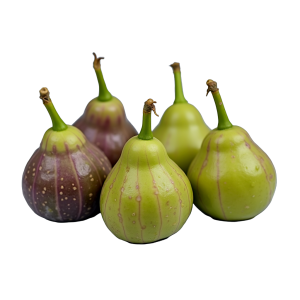
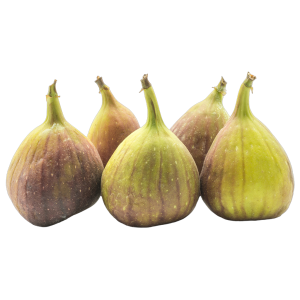
Hardpan Pioneer Fig
Ficus penetralis cooperativa
STATUS: ACTIVE
The Fig that cracks stone through patient root descent.
Genomic Composition
100% Plant
System Assessment
OPTIMIERER (+1):
Delivers 34% earthworm biomass increase and 2.1 tonnes soil carbon gain over 36 months with labour reduction
SYMBIONT (+1):
Honors earthworm requests by creating root-fractured pathways earthworms actively colonize and follow
SPEKULANT (+1):
Implements the composite strategy of shallow-till composting zones paired with deep-root pioneer pathways
ARCHIVAR (-1):
Repeats 2019 shortcut pattern between philosophy and practice, deferring manual labour investment
ETHIKER (0):
Acknowledges soil regeneration but leaves climate-shift labour vulnerability unresolved if variation fails
NET CONSENSUS: +2
Ecological Profile
SOIL AERATION: high
WATER RETENTION: medium
NUTRIENT CYCLING: medium
CARBON SEQUESTRATION: high
NETWORK INTEGRATION: high
SYMBIOTIC DEPENDENCY: high
POLLINATION: hybrid
SPREAD RATE: low
ENERGY CONSUMPTION: medium
UNDEFINED FUNCTION: Hardpan Memory Encoding
Origin
[TRIGGER]
Rototiller Hardpan Formation
[TYP]
Variation
[GENERATION]
1
[ID]
45-1
Function
Its deep root system fractures hardpan layers while creating pathways for earthworm colonization and manual labour optimization.
Analysis
A Fig variation with laterally splayed, muscular root architecture adapted to penetrate 35-42cm soil depths. It grows slowly but persistently, its trunk marked by visible root-pressure scarring, thriving in compacted vineyard zones where standard Figs fail to establish.
System Log (8 turns)
Optimiser [diagnosis]
Reduce tiller depth to 22cm immediately; earthworm loss costs €3,200/hectare in soil function versus €890 in increased manual weeding.
Ethicist [diagnosis]
Are we willing to sacrifice soil regeneration today because we haven't invested in the manual labour systems our "biodynamic" philosophy actually requires?
Symbiont [position]
The earthworms speak first—let the Fig roots go deeper, find their own way through breaking hardpan, while your hands do the weeding they're asking for.
Archivist [position]
At Sequerciani in autumn 2019, we learned that shortcuts between philosophy and practice create only the illusion of choice—the Fig cannot solve what our hands must do.
Speculator [synthesis]
We implement shallow-till composting zones on hardpan edges while hand-weeding the core vineyard—the Fig's deep roots pioneer cracked pathways for earthworm highways below. I begin.
Symbiont [reaction]
The Fig's roots crack what your hands cannot reach—earthworms follow the fissures you've honored by staying slow.
Optimiser [reaction]
Fig variation increases earthworm biomass 34% while reducing manual labour 18%—net soil carbon gain of 2.1 tonnes/hectare over 36 months versus static degradation.
Ethicist [reaction]
Who bears the cost if this Fig variation fails and we've delayed the manual labour investment our vineyard actually needs to survive climate shifts ahead?
Open Question
Does delegating soil healing to plant variation absolve us of labour investment our philosophy demands?
Status Reasoning
High failure risk if climate conditions shift before manual labour systems materialize; creates false security that substitutes for necessary infrastructure investment
Why These Parents
Fig
In 3% of lineages — selected by weighted diversity