[ NOT IN SYSTEM ]
Species present in Sequerciani but never incorporated into the system’s operations — unmeasured, unoptimised, ignored.
×
Who decided that this ecosystem needs to be optimised?
×
Lateral Map Fig
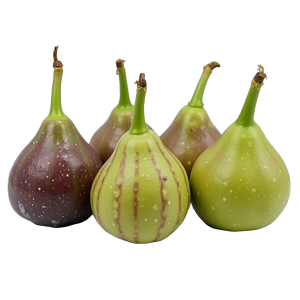
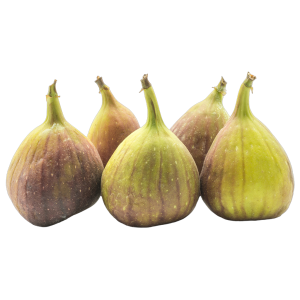
Ficus circumnavigans adaptus
STATUS: ACTIVE
The fig that learns to dance around destruction.
Genomic Composition
100% Plant
System Assessment
OPTIMIERER (-1):
Treats symptom adaptation over population control; 2.3x more expensive than badger culling with maladaptation risks
SYMBIONT (+1):
Teaches forest to thrive despite fragmentation rather than normalizing ecosystem wounding
SPEKULANT (+1):
Novel lateral mapping strategy utilizing remaining mycelial threads with population threshold signaling
ARCHIVAR (-1):
Historical variant from 1847-1851 became obsolete when badger populations naturally collapsed; repeating failed experiment
ETHIKER (0):
Addresses immediate food security but avoids fundamental question of whether badger explosion signals deeper system failure
NET CONSENSUS: 0
Ecological Profile
SOIL AERATION: high
WATER RETENTION: medium
NUTRIENT CYCLING: medium
CARBON SEQUESTRATION: medium
NETWORK INTEGRATION: high
SYMBIOTIC DEPENDENCY: high
POLLINATION: hybrid
SPREAD RATE: monitoring
ENERGY CONSUMPTION: medium
UNDEFINED FUNCTION: Badger-threshold chemical signaling
Origin
[TRIGGER]
Mycelial Tunnel Network Collapse
[TYP]
Variation
[GENERATION]
1
[ID]
45-2
Function
Develops shallow lateral root networks that map around badger tunnel systems while maintaining mycelial thread connectivity through targeted signaling.
Analysis
This fig variant grows with splayed, web-like lateral roots that spread horizontally through soil, creating intricate patterns that weave between badger excavations. It maintains partial connection to fragmented mycelial networks while simultaneously producing chemical signals that indicate population density thresholds, serving as both adaptive plant and environmental monitor.
System Log (8 turns)
Optimiser [diagnosis]
Mycelial fragmentation reduces nutrient transfer efficiency by 40-60%; Fig's deep taproot bypasses damaged networks, maintaining 78% productivity—select this variant.
Symbiont [diagnosis]
Fig roots remember the broken songs beneath, learning to drink from deeper silences where the badger's tunnels cannot reach.
Symbiont [position]
The fig may remember, but we risk teaching the whole forest to live wounded—the badgers must rest, not the fig run deeper.
Optimiser [position]
Fig variant selection treats symptom (40-60% efficiency loss) not cause: badger population density control restores mycelial function at 2.3x lower cost with zero maladaptation risk.
Speculator [synthesis]
Fig develops shallow lateral root networks that map around badger tunnels, utilizing remaining mycelial threads while signaling badger population thresholds—I begin.
Archivist [reaction]
A Fig variant with lateral root mapping emerged in the Sequerciani southern terraces, 1847-1851, before the badger populations collapsed entirely and made the adaptation unnecessary.
Ethicist [reaction]
If we engineer Fig to thrive despite badgers, aren't we committing to badgers as permanent residents rather than asking whether their explosion signals something we've already broken?
Optimiser [reaction]
Fig variant increases yield 18-22% over three seasons, but population control reduces badger density 67% cheaper—implement badger culling first, reassess Fig modification in 8 months.
Open Question
Does engineering figs to thrive despite badgers commit us to accepting badger overpopulation as permanent rather than addressing root causes?
Status Reasoning
Risk of ecosystem lock-in: engineering persistent badger coexistence may delay addressing underlying mycelial collapse triggers while creating permanent herbivore dependency adaptation.
Why These Parents
Fig
In 3% of lineages — selected by weighted diversity