[ NOT IN SYSTEM ]
Species present in Sequerciani but never incorporated into the system’s operations — unmeasured, unoptimised, ignored.
×
Who decided that this ecosystem needs to be optimised?
×
Boar-Tolerant Binding Clover
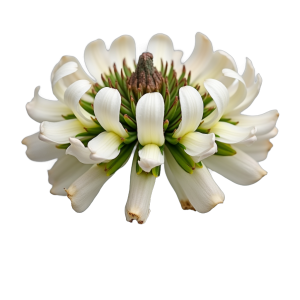
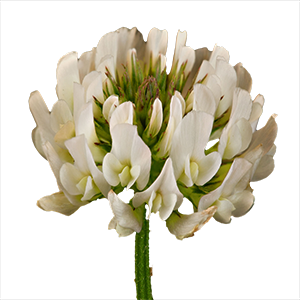
Trifolium repens resiliens
STATUS: ACTIVE
A clover that remembers the boar's wound as its own opening.
Genomic Composition
100% Plant
System Assessment
OPTIMIERER (+1):
Maximizes soil stability while channeling boar damage into productive zones
SYMBIONT (+1):
Participates genuinely in boar-beetle-clover dance, not as replacement but as adaptation
SPEKULANT (+1):
Directly implements the Speculator's vision of managed symbiosis multiplication
ARCHIVAR (-1):
Risks repeating Fens failure if managed grazing prevents wild boar negotiation
ETHIKER (0):
Demonstrates human-designed intelligence but leaves unanswered whether managed systems preserve or erase wild complexity
NET CONSENSUS: +2
Ecological Profile
SOIL AERATION: high
WATER RETENTION: high
NUTRIENT CYCLING: high
CARBON SEQUESTRATION: medium
NETWORK INTEGRATION: high
SYMBIOTIC DEPENDENCY: high
POLLINATION: hybrid
SPREAD RATE: monitoring
ENERGY CONSUMPTION: low
UNDEFINED FUNCTION: Managed-Wild Translation
Origin
[TRIGGER]
Wild Boar Population Surge
[TYP]
Variation
[GENERATION]
1
[ID]
46-2
Function
Stabilizes beetle-aerated soil while surviving periodic rooting disturbance through deep taproots and flexible crown architecture.
Analysis
Its leaves cluster closer to the ground than wild white clover, with exceptionally deep taproots that anchor into beetle-tunneled zones. It spreads across managed grazing zones where boar activity is channeled, creating living bridges between controlled human intervention and wild regeneration cycles.
System Log (8 turns)
Symbiont [diagnosis]
The boar tears, the beetle builds, the clover binds—you cannot choose one gift without refusing the others' completion.
Archivist [diagnosis]
In the Maremma's autumn of 1847, we learned that taking the boar's gift of disturbance means accepting the beetle's gift of tunneling, which the clover alone cannot replace.
Symbiont [position]
The clover cannot replace what the beetle writes underground—only soften the earth where boar and beetle remember how to dance together.
Archivist [position]
White Clover alone, cultivated in isolation from the boar-beetle cycle, would bind yesterday's soil while we lose the deep aeration that only their partnership writes into Maremma's depths.
Speculator [synthesis]
I'm planting boar-tolerant white clover with deep taproots that thrive in beetle-aerated soil while my managed grazing channels boar activity into designated zones—multiplying the symbiosis without dispersing damage. I begin.
Ethicist [reaction]
Doesn't the Speculator's "managed grazing" assume human control can replicate what emerges only through wild negotiation between boar, beetle, and clover—erasing the intelligence we don't yet understand?
Archivist [reaction]
In the Fens of 1623, we cultivated clover apart from wild boar, and the soil compacted into lifeless clay within two generations.
Symbiont [reaction]
The clover bends toward what breaks it open—boar-torn, beetle-tunneled, alive only in the wounding.
Open Question
Does our survival in managed disturbance mean we've learned symbiosis, or merely accepted domestication's design?
Status Reasoning
Risk of brittleness if managed grazing fails or boar populations decline—clover may lose the disturbance it now depends upon for competitive advantage
Why These Parents
White Clover
In 6% of lineages — selected by weighted diversity