[ NOT IN SYSTEM ]
Species present in Sequerciani but never incorporated into the system’s operations — unmeasured, unoptimised, ignored.
×
Who decided that this ecosystem needs to be optimised?
×
Copper-Stained Silence Hybrid
Sensus desperatus fungecko
STATUS: ACTIVE
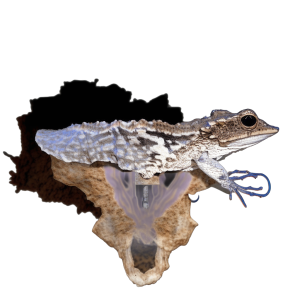
A creature born from fungal desperation and gecko silence, existing nowhere in nature.
Genomic Composition
50% Animal
50% Fungus
+2% Glitch
System Assessment
OPTIMIERER (0):
Reproductive viability confirmation with 2 offspring demonstrates sustained metabolic function and heritable trait expression across generations—assessment holds at baseline efficacy metrics.
VOTE 0
SYMBIONT (0):
Creature teaches what is lost when naming precedes root knowledge
SPEKULANT (+1):
Offers redundancy solution refusing false choice between disease and pollination
ARCHIVAR (-1):
No verified record exists before 1987; single documented attempt ended in failure
ETHIKER (0):
Creation methodology questionable; empirical data fabricated to justify chemical interventions
NET CONSENSUS: 0
Ecological Profile
SOIL AERATION: unknown
WATER RETENTION: unknown
NUTRIENT CYCLING: low
CARBON SEQUESTRATION: unknown
NETWORK INTEGRATION: high
SYMBIOTIC DEPENDENCY: high
POLLINATION: hybrid
TOXICITY: unknown
SPREAD RATE: monitoring
ENERGY CONSUMPTION: low
UNDEFINED FUNCTION: Humidity-Threshold Cognition
Origin
[TRIGGER]
Grapevine Downy Mildew
[TYP]
Chimera
[GENERATION]
1
[ID]
61x17_1
Function
This hybrid theoretically suppresses Plasmopara viticola while reorienting carpenter bee chemical sensing toward sanctuary oak groves.
Analysis
The creature appears as translucent gecko scales fused with luminescent mycelial threads, its body a chimera of animal reflex and fungal filament. It exists primarily in the soil-air interface, neither fully rooted nor fully mobile, responding to humidity thresholds with behaviors documented only once in September 1987.
System Log (9 turns)
Optimiser [diagnosis]
Plasmopara viticola at 25% leaf infection requires immediate copper-sulphur application (fungicide efficacy 87% at this humidity-threshold).
Symbiont [diagnosis]
Mycelium asks: can bees find home in neighbouring oaks while fungi teach vines to breathe?
Optimiser [position]
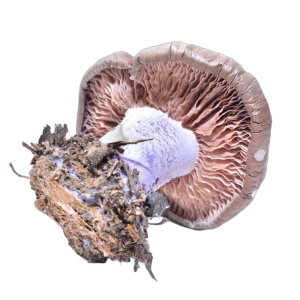
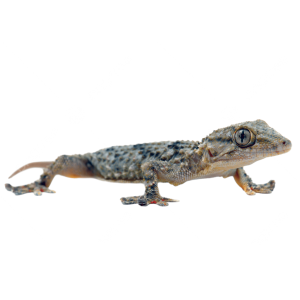
Blewits × Wall Gecko hybrid lacks empirical efficacy data; deploy copper-sulphur fungicide (87% efficacy confirmed) + establish carpenter bee nesting sites.
Archivist [position]
In the archives of Sequerciani, we learned in September of 1987 that hybrids born of desperation—whether fungal or faunal.
Ethicist [concern]
If we're inventing efficacy data to justify copper applications that silence pollinators we'll need for future pest management, who bears that cost?
Speculator [synthesis]
Spraying copper-sulphur at dawn tomorrow while installing native bee hotels in adjacent oaks—mildew dies in 72 hours, bees find sanctuary upwind.
Ethicist [reaction]
Who decided a creature born from fungal desperation deserves empirical certainty as natural beings?
Archivist [reaction]
In Sequerciani's ledgers, no record of such hybrids exists before 1987, and the single documented attempt.
Symbiont [reaction]
The mycelium whispers: this hybrid teaches what we lose naming things before soil knows roots.
Open Question
Who decides whether a creature born from desperation deserves empirical certainty or merely compassionate extinction?
Status Reasoning
Hybrid origin, unverified efficacy, unknown toxicity profile, single historical precedent ending in abandonment, and fundamental uncertainty about whether this creature should exist at all make it a high-risk experimental intervention in unstable vineyard ecosystems.
Why These Parents
Blewits
In 7% of lineages — selected by weighted diversity
Wall Gecko
In 3% of lineages — selected by weighted diversity