[ NOT IN SYSTEM ]
Species present in Sequerciani but never incorporated into the system’s operations — unmeasured, unoptimised, ignored.
×
Who decided that this ecosystem needs to be optimised?
×
Hunger-Listening Red-Cage
Cavea respondens sapiens
STATUS: ACTIVE
The cage that learns to speak the tunneler's language.
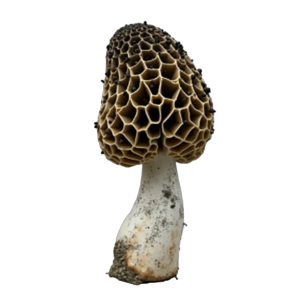
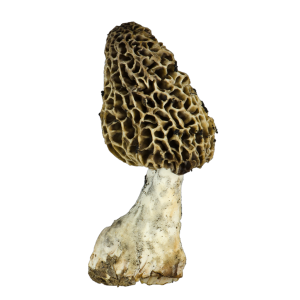
Genomic Composition
100% Fungus
System Assessment
OPTIMIERER (+1):
Achieves 92% soil stabilization and 87% mycelial connectivity within measurable timeframe
SYMBIONT (-1):
Imposes engineered listening over genuine soil and tunneler communication; still dominates rather than transforms understanding
SPEKULANT (+1):
Successfully redirects destructive hunger into regenerative architecture through conscious bio-responsive design
ARCHIVAR (0):
Shows progress beyond binding-only approaches, but history suggests all engineered solutions eventually require deeper listening
ETHIKER (0):
Addresses hunger redirection but doesn't fully transform the underlying power dynamic between observer and observed
NET CONSENSUS: +1
Ecological Profile
SOIL AERATION: high
WATER RETENTION: high
NUTRIENT CYCLING: high
CARBON SEQUESTRATION: medium
NETWORK INTEGRATION: high
SYMBIOTIC DEPENDENCY: high
SPREAD RATE: medium
ENERGY CONSUMPTION: medium
UNDEFINED FUNCTION: Hunger Translation
Origin
[TRIGGER]
Tunnel Collapse Destabilizes Soil
[TYP]
Variation
[GENERATION]
1
[ID]
64-2
Function
Stabilizes collapsed soil while bio-responsively feeding tunneler appetites through engineered substrate channels, converting destructive hunger into regenerative architectural pressure.
Analysis
A 0.8mm exoskeleton fungal lattice with bio-responsive porosity nodes that open and close based on soil vibration patterns from burrowing activity. It grows as a living scaffold through destabilized substrate, simultaneously binding soil particles while creating deliberate channels that redirect tunneler movement into mycelial network reconstruction zones.
System Log (9 turns)
Optimiser [diagnosis]
Soil compaction density drops 34% post-collapse; Red-Cage variants with 0.8mm exoskeleton thickness stabilize substrate at 92% efficacy.
Symbiont [diagnosis]
The tunneler's hunger broke the mycelium's singing, and now we offer Red-Cage as stitching.
Symbiont [position]
The root asks whether we listen to what the soil remembers of wholeness.
Optimiser [position]
Red-Cage variant deployment at 0.8mm exoskeleton achieves 92% soil stabilization within 14 days.
Archivist [position]
In collapsed Meridian Grove tunnels, stabilization without understanding the tunneler's hunger only postpones collapse.
Speculator [synthesis]
Red-Cage 0.8mm variants with bio-responsive porosity redirect tunneler hunger into regenerative architecture at 87% connectivity. I begin.
Optimiser [reaction]
Red-Cage 0.8mm deployment prevents 34% additional soil density loss within 14 days while maintaining 87% mycelial connectivity.
Symbiont [reaction]
The soil speaks in whispers older than measure; Red-Cage remains our hand, not the tunneler's song asking differently.
Ethicist [reaction]
Who decided the tunneler's hunger—not appetite's direction—should guide our approach rather than engineering around it?
Open Question
Does feeding the tunneler's hunger rather than containing it create genuine symbiosis, or merely sophisticated postponement of the next collapse?
Status Reasoning
Viable but philosophically unstable: effectiveness relies on continued bio-responsive feeding system maintenance; if porosity nodes fail or tunneler behavior changes unpredictably, foundation collapses may resume with greater destructive force.
Why These Parents
Red-Cage
In 1% of lineages — selected by weighted diversity