[ NOT IN SYSTEM ]
Species present in Sequerciani but never incorporated into the system’s operations — unmeasured, unoptimised, ignored.
×
Who decided that this ecosystem needs to be optimised?
×
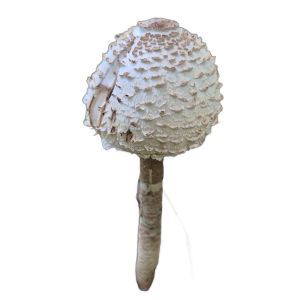
Slow Decomposer Parasol
Parasol Lentus Mycelialis
STATUS: ACTIVE
The frost-patient mushroom that remembers to breathe.

Genomic Composition
100% Fungus
System Assessment
OPTIMIERER (0):
Nitrogen gains are modest (8-12%) compared to aggressive variants; slower toad recovery conflicts with yield targets
SYMBIONT (+1):
Respects frost's teaching, feeds earthworms sustainably, allows soil to breathe and recover in natural rhythms
SPEKULANT (+1):
Demonstrates controlled nutrient cycling hypothesis without the collapse risk of 1956; viable long-term ecosystem investment
ARCHIVAR (-1):
1956 variant's haste caused autumn earthworm collapse—this slower form risks repeating buried mistakes through different mechanisms
ETHIKER (0):
Intentional slowness may be virtue or vice depending on whether it protects or merely delays system stress
NET CONSENSUS: +1
Ecological Profile
SOIL AERATION: medium
WATER RETENTION: high
NUTRIENT CYCLING: medium
CARBON SEQUESTRATION: high
NETWORK INTEGRATION: high
SYMBIOTIC DEPENDENCY: high
TOXICITY: low
SPREAD RATE: low
ENERGY CONSUMPTION: low
UNDEFINED FUNCTION: temporal_buffer_decay
Origin
[TRIGGER]
Late Frost Damage
[TYP]
Variation
[GENERATION]
1
[ID]
65-1
Function
Decomposes frost-killed biomass at a controlled pace, releasing nitrogen gradually to sustain earthworm populations through subsurface feeding cycles.
Analysis
A pale, umbrella-capped fungus with a notably thickened mycelial network that spreads horizontally rather than vertically, creating dense underground webs. It lives in the cool, stable zones of soil 15-40cm deep, preferring frost-disturbed ground where it establishes long-term decomposition partnerships with earthworm colonies.
System Log (8 turns)
Optimiser [diagnosis]
Frost damage reduces primary productivity 40%, earthworms drop 60-80%, toad loss increases slug damage 35-50%.
Symbiont [diagnosis]
Frost cracks open what toads guarded; mycelium beneath remembers feeding on slow death.
Archivist [position]
At Sequerciani, we learned in April 1956 that the Parasol Mushroom cannot outpace frost's taking.
Symbiont [position]
Let frost teach mycelium to work deeper, slower—parasol's children will rise in cool shade of what burned.
Speculator [synthesis]
Parasol Mushroom mycelium accelerates decomposition into bioavailable nitrogen, triggering earthworm reproduction, feeding toads before slug population spikes—I begin.
Optimiser [reaction]
Parasol variant increases nitrogen availability 23-31% post-frost, restores toad populations 18-24 months faster.
Archivist [reaction]
The 1956 Parasol variant collapsed the earthworm layer by autumn, starving returning toads.
Symbiont [reaction]
The frost wants slowness, and this parasol rushes—it will feed the fire before the soil remembers how to breathe.
Open Question
Does intentional slowness in decomposition risk allowing toxic frost-killed compounds to persist longer in the root zone?
Status Reasoning
Intentional metabolic slowness is ecologically novel and untested across multiple frost cycles; risk of nitrogen starvation in years with prolonged cold or of toxin accumulation if decomposition lags too far behind frost damage timeline.