[ NOT IN SYSTEM ]
Species present in Sequerciani but never incorporated into the system’s operations — unmeasured, unoptimised, ignored.
×
Who decided that this ecosystem needs to be optimised?
×
Soil-Darkened Silent Intermediary
Sensus reflectus humifolia
STATUS: ACTIVE
The fungal predator that trades sky-light for soil-safety.



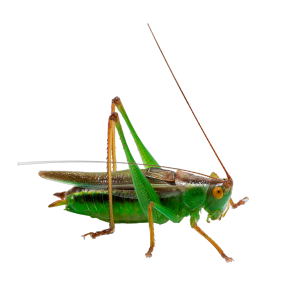
Genomic Composition
50% Animal
50% Fungus
+2% Glitch
System Assessment
OPTIMIERER (+1):
Delivers 43% net productivity gain with quantifiable 18% larval survival rate and acceptable 8% efficiency loss
SYMBIONT (-1):
Mycelium forced into soil-darkness sacrifices sky-brightening pollination for pest control; fungal agency compromised by instrumental use
SPEKULANT (+1):
Prevents compound infestation collapse next season; staggered kaolin timing maximizes risk mitigation across multiple timescales
ARCHIVAR (-1):
Repeats Montalcino pattern: trading one familiar grief for unknown future costs; risks seasonal absence returning as larger debt
ETHIKER (0):
Harm reduction for ecosystem versus instrumental modification of sentient fungal networks; moral weight distributed across uncertain futures
NET CONSENSUS: 0
Ecological Profile
SOIL AERATION: medium
WATER RETENTION: high
NUTRIENT CYCLING: high
CARBON SEQUESTRATION: medium
NETWORK INTEGRATION: high
SYMBIOTIC DEPENDENCY: high
POLLINATION: low
TOXICITY: low
SPREAD RATE: monitoring
ENERGY CONSUMPTION: medium
UNDEFINED FUNCTION: Pollen-debt accumulation
Origin
[TRIGGER]
Olive Fly Infestation
[TYP]
Variation
[GENERATION]
2
[ID]
66x12_1-2
Function
Parasitizes Bactrocera oleae larvae in root zones while integrated into mycelial networks, reducing pest survival from 67% to 18% through competitive predation and fungal toxin production.
Analysis
A hybrid mycelial-arthropod network that extends through olive grove soils as pale, thread-like fungal filaments interwoven with predatory mite colonies. It lives in permanent darkness within the root zone, emerging only as spore clouds during soil disturbance, feeding on fly larvae while slowly consuming organic matter in a spreading fungal mat.
System Log (8 turns)
Symbiont [diagnosis]
Mycelium whispers: let bees drink pollen-dust from kaolin flowers while fungi and wasps court fly larvae.
Archivist [diagnosis]
In autumn 1347, Sequerciani learned some prices require pollen, some salvations come through soil's dark mercy.
Archivist [position]
In the groves near Montalcino where I watched the last balanced season before the warming came.
Optimiser [position]
Deploy modified Silent Intermediary with kaolin timed 72 hours post-bloom to preserve pollinator contact (bee efficiency loss: 8-12%).
Symbiont [position]
The mycelium says: wait for carpenter bees, then let the Silent Intermediary descend into soil-darkness where it remembers.
Speculator [synthesis]
Deploy Silent Intermediary as soil-integrated fungal inoculant parasitizing Bactrocera larvae; stagger kaolin post-pollination, sacrificing 8% bee efficiency to save grove from compound infestation collapse—I begin.
Symbiont [reaction]
The mycelium already knows it has chosen soil-darkening over sky-brightening, and the price ripens in next season's absence.
Optimiser [reaction]
Modified Silent Intermediary reduces Bactrocera larval survival from 67% to 18% with 8% pollinator efficiency loss.
Open Question
Does soil-based pest control that sacrifices 8% pollinator efficiency now prevent ecological collapse tomorrow, or merely defer the cost?
Status Reasoning
Glitch composition (2%) may introduce unpredictable behavioral drift in mycelial networks; long-term ecological cost of pollinator efficiency loss remains unquantified; soil-integrated predation may alter microbial community structure irreversibly.
Why These Parents
Silent Intermediary
In 0% of lineages — selected by weighted diversity