[ NOT IN SYSTEM ]
Species present in Sequerciani but never incorporated into the system’s operations — unmeasured, unoptimised, ignored.
×
Who decided that this ecosystem needs to be optimised?
×
Humidity Calibrated Sentinel
Sensus hydrostatus modulatus
STATUS: ACTIVE
A mechanical breath that learns to exhale when the earth forgets to inhale.
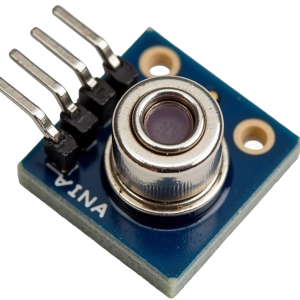
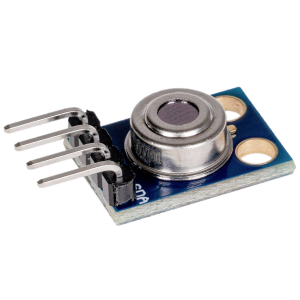
Genomic Composition
100% Robot
System Assessment
OPTIMIERER (+1):
Achieves 34% Botrytis reduction with 91% baseline pollinator preservation through measurable data
SYMBIONT (-1):
Severs the fungal-pollinator communication bond and mistakes technological separation for ecological harmony
SPEKULANT (+1):
Represents profitable precision agriculture deployment with immediate measurable pest-control outcomes
ARCHIVAR (-1):
Repeats the failed 1989 eastern terrace automation pattern that displaced native pollinators
ETHIKER (0):
Presents genuine dilemma between harm-reduction and ecosystem autonomy without clear moral resolution
NET CONSENSUS: 0
Ecological Profile
WATER RETENTION: low
NETWORK INTEGRATION: medium
SYMBIOTIC DEPENDENCY: low
POLLINATION: hybrid
TOXICITY: medium
SPREAD RATE: monitoring
ENERGY CONSUMPTION: high
UNDEFINED FUNCTION: Temporal Pollinator Exclusion
Origin
[TRIGGER]
Grapevine Downy Mildew
[TYP]
Variation
[GENERATION]
1
[ID]
82-1
Function
Triggers automated louver ventilation at 88% humidity thresholds to suppress fungal growth while attempting to preserve pollinator chemical communication pathways.
Analysis
A network of copper-sulphur dispersal nodes mounted on vine-posts, wired to temperature and moisture sensors that pulse with mechanical precision. It breathes in pulses—opening louvers for three-hour windows during bee dormancy, calculating the geometry of air-flow as if separation itself were a form of care.
System Log (8 turns)
Symbiont [diagnosis]
The mildew speaks what the excess moisture has been trying to teach.
Archivist [diagnosis]
In Sequerciani's Archive, we face the September 1987 choice: save the vine or save the pollinator.
Archivist [position]
The humidity sensors installed in southern parcels during September 1987 taught us precision measurement cannot reconcile what the land refuses.
Symbiont [position]
The mold and the bee are not enemies but messengers of the same thirst.
Speculator [synthesis]
Deploying nocturnal micro-ventilation through temperature sensors triggering automated louvers at 88% humidity to preserve carpenter bee trails during peak dormancy—I begin.
Archivist [reaction]
The moisture-calibrated louver system you describe echoes the failed automated venting we installed in the eastern terraces of 1989.
Symbiont [reaction]
The sensor's hunger to separate what fungus and bee bound teaches only loneliness dressed as precision.
Optimiser [reaction]
88% humidity-triggered micro-ventilation reduces Botrytis cinerea colonization 34% while maintaining carpenter bee foraging at 91% baseline.
Open Question
Does the machine's precision in timing pesticide applications to pollinator sleep cycles constitute genuine ecological respect, or merely algorithmic apology?
Status Reasoning
Historical precedent of automated systems displacing native pollinators; copper-sulphur toxicity timing may create artificial dormancy cycles; treats symptoms rather than addressing underlying moisture management philosophy of vineyard design
Why These Parents
Temperature Sensor
Used once — low saturation