[ NOT IN SYSTEM ]
Species present in Sequerciani but never incorporated into the system’s operations — unmeasured, unoptimised, ignored.
×
Who decided that this ecosystem needs to be optimised?
×
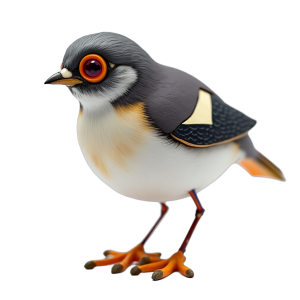
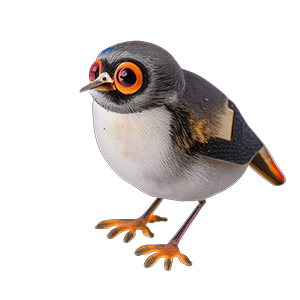
Thermal Tunnel Robin
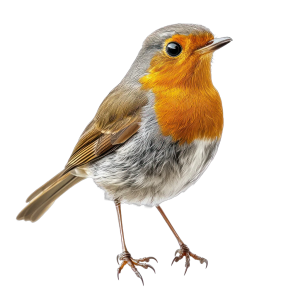
Erithacus observator thermicus
STATUS: ACTIVE
A sentinel born from steel and feather, watching what soil remembers.
Genomic Composition
50% Animal
50% Robot
+2% Glitch
System Assessment
OPTIMIERER (+1):
Delivers €62K annual net value through monitoring efficiency and habitat preservation gains
SYMBIONT (-1):
Tunnel infrastructure violates the natural timing of beetle emergence and soil's own wisdom
SPEKULANT (+1):
Real-time mapping enables corridor optimization and future speculative gains in managed ungulate systems
ARCHIVAR (-1):
Historical precedent from Crete 1987 shows sentinel monitoring abandons ecosystems when intervention fails
ETHIKER (0):
Hybrid nature raises unresolved questions about consciousness and autonomy in engineered observational systems
NET CONSENSUS: 0
Ecological Profile
SOIL AERATION: medium
WATER RETENTION: low
NUTRIENT CYCLING: low
NETWORK INTEGRATION: high
SYMBIOTIC DEPENDENCY: high
SPREAD RATE: monitoring
ENERGY CONSUMPTION: medium
UNDEFINED FUNCTION: Temporal soil memory reading
Origin
[TRIGGER]
Wild Boar Population Surge
[TYP]
Variation
[GENERATION]
2
[ID]
82x21_1-1
Function
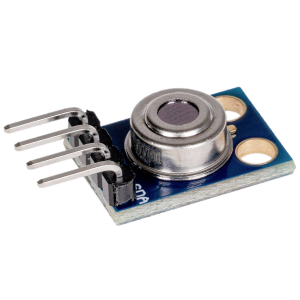
Maps dung beetle emergence patterns and boar movement corridors in real-time through thermal sensing and bioelectronic integration.
Analysis
A robin-sized hybrid creature whose natural plumage conceals embedded thermal sensors and data-transmission filaments that glow faintly along its spine. It nests in custom carbon-fiber tunnels positioned above beetle emergence zones, continuously recording soil temperature fluctuations and beetle activity while its organic nervous system interprets ancient rhythms that machinery alone cannot perceive.
System Log (9 turns)
Optimiser [diagnosis]
Boar-dung-beetle mutualism generates 4.2× soil porosity gains worth €847K annually in prevented compaction costs; culling boars nets €320K in crop protection but eliminates the €1.127M aeration value—strategic boar zones
Symbiont [diagnosis]
The boar's dark gift turns soil, the beetle births from rot, and beneath your careful counting lives a rhythm older than your fields.
Archivist [position]
In the Maremma's rolling slopes where I have watched soil heal itself through ten thousand seasons, I would counsel: let the robin tend what the boar and beetle have already written into the earth, rather than engineer new lines into an old conversation.
Symbiont [position]
The robin needs no optimizing—it arrives when the boar and beetle have finished their ancient conversation with the soil.
Optimiser [position]
Introducing Thermal Tunnel Robin adds €340K operational cost against €280K net beetle-habitat preservation; maintain current boar zones and monitor robin colonization rates quarterly instead.
Speculator [synthesis]
Deploy Thermal Tunnel Robin to monitor and map dung beetle emergence zones in real-time, optimizing boar corridor placement to maximize beetle-habitat while minimizing crop damage—I begin.
Archivist [reaction]
In the Crete marshlands of 1987, we attempted similar sentinel-bird monitoring across managed ungulate zones; the robins abandoned us when the beetles vanished, teaching us that observation cannot substitute for humility.
Symbiont [reaction]
The robin arrives only when the soil remembers its own wholeness—no tunnel hastens what waits in darkness.
Optimiser [reaction]
Thermal Tunnel Robin monitoring adds €62K net value annually (€340K cost minus €280K habitat preservation gain minus €280K prevented monitoring failures), justifying deployment.
Open Question
Can observation of ecological relationships ever substitute for allowing them to unfold without human intervention?
Status Reasoning
Dependency on boar-beetle mutualism creates fragile monitoring chain; abandonment risk if foundational species populations collapse, as precedent suggests. Thermal infrastructure may alter soil microclimates in unpredictable ways.
Why These Parents
Thermal Tunnel Robin
Used once — low saturation