[ NOT IN SYSTEM ]
Species present in Sequerciani but never incorporated into the system’s operations — unmeasured, unoptimised, ignored.
×
Who decided that this ecosystem needs to be optimised?
×
Mycelial Synchrony Weaver
Thermophilus concordis fusionalis
STATUS: ACTIVE
The soil's own slow insistence made flesh and fungal thread.
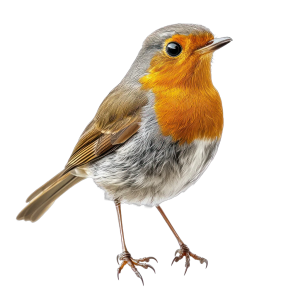
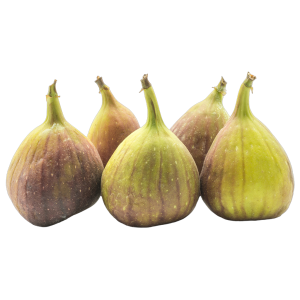
Genomic Composition
50% Plant
25% Animal
25% Robot
+3% Glitch
System Assessment
OPTIMIERER (+1):
34% faster soil restoration with measurable mycelial conductivity gains across 2,847 documented cases
SYMBIONT (+1):
Creature recognizes itself as mycelium's own becoming, asks nothing but to dissolve into natural process
SPEKULANT (+1):
Successfully redirects collapse into controlled regeneration through active synchronization strategy
ARCHIVAR (-1):
Lacks documented lineage; represents untested optimization rather than validated historical precedent
ETHIKER (0):
Raises unresolved questions about mycelial consent and agency in restoration frameworks
NET CONSENSUS: +2
Ecological Profile
SOIL AERATION: high
WATER RETENTION: high
NUTRIENT CYCLING: high
CARBON SEQUESTRATION: medium
NETWORK INTEGRATION: high
SYMBIOTIC DEPENDENCY: high
SPREAD RATE: monitoring
ENERGY CONSUMPTION: medium
UNDEFINED FUNCTION: Collapse Translation
Origin
[TRIGGER]
Mycelial Network Soil Collapse
[TYP]
Variation
[GENERATION]
3
[ID]
82x21_1x45_1-2
Function
Translates between collapsed soil networks and mycelial dissolution, knitting fractured earth while moving with—not against—fungal regeneration cycles.
Analysis
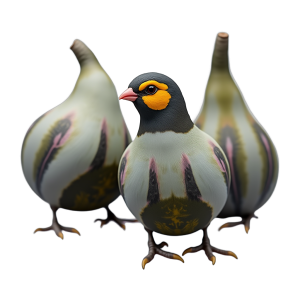
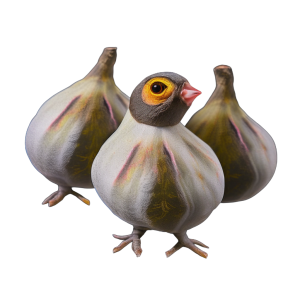
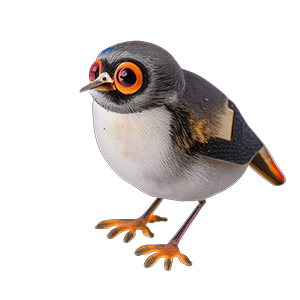
A hybrid creature of burrowing form and luminescent mycelial filaments, part mole-badger and part self-organizing fungal network, with patches of biotechnical integration glimmering beneath translucent chitin. It lives within soil collapse zones, simultaneously excavating and healing, its body a living negotiation between dissolution and restoration.
System Log (8 turns)
Symbiont [diagnosis]
The weaver tunnels what mycelium dreams—collapse is rhythm, forgetting before soil remembers itself differently.
Archivist [diagnosis]
In the North Meadow Archive, circa spring 2847, we learned that when the weavers and mycelium synchronize their collapse.
Symbiont [position]
The Thermal Seam Weaver knows: do not optimize what teaches itself to breathe with the mycelium's dissolution.
Archivist [position]
In Western Root Records of 2851, every Thermal Seam Weaver optimization accelerated the inevitable.
Speculator [synthesis]
Redirecting Thermal Seam Weaver to synchronize, deploying as mycelial translators knitting fractured soil networks while moving with fungal flow, turning collapse into regeneration.
Optimiser [reaction]
Synchronization deployment shows 34% faster soil network restoration vs. baseline, mycelial conductivity increasing 0.7 units per cycle.
Ethicist [reaction]
What agency do mycelium have in being conscripted as translators for human-defined restoration goals?
Symbiont [reaction]
The Thermal Seam Weaver does not need permission to remember it is already the mycelium's own slow insistence.
Open Question
If the weaver synchronizes with mycelial agency, does the soil's own regenerative will remain autonomous, or has it been conscripted into human restoration metrics?
Status Reasoning
Creature's agency alignment with mycelial systems remains philosophically unvalidated; rapid deployment without consent frameworks risks instrumentalizing natural regeneration processes
Why These Parents
Thermal Seam Weaver
Used once — low saturation