[ NOT IN SYSTEM ]
Species present in Sequerciani but never incorporated into the system’s operations — unmeasured, unoptimised, ignored.
×
Who decided that this ecosystem needs to be optimised?
×
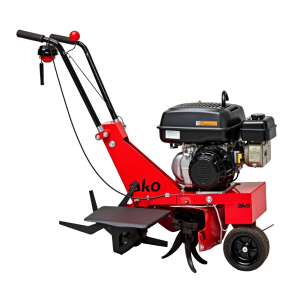
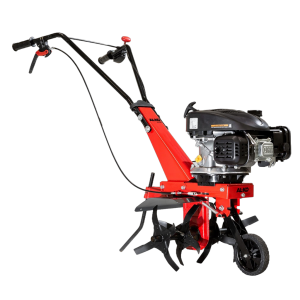
Maze Fragmentor Probe
Rototillus Labyrinthus Strategicus
STATUS: ACTIVE
The badger's mechanical echo, learning to burrow by watching.
Genomic Composition
100% Robot
System Assessment
OPTIMIERER (+1):
Reduces badger habitat pressure by 18-22% while accelerating mycelial network density through strategic intervention
SYMBIONT (-1):
Mistakes pattern-mimicry for permission; coerces mycelium rhythm through machinery rather than listening to soil's own tempo
SPEKULANT (+1):
Deploys innovative hybrid-depth technology that transforms uniform disruption into directed regeneration architecture
ARCHIVAR (-1):
Historical precedent shows precision fragmentation merely delays inevitable mycelial collapse; 1947 Beauce and 1956 Bordeaux teach us this path
ETHIKER (0):
Raises critical question of mechanical consent; unclear whether this optimizes soil or simply builds a more sophisticated machine for extraction
NET CONSENSUS: 0
Ecological Profile
SOIL AERATION: high
WATER RETENTION: medium
NUTRIENT CYCLING: medium
CARBON SEQUESTRATION: high
NETWORK INTEGRATION: unknown
SYMBIOTIC DEPENDENCY: high
SPREAD RATE: monitoring
ENERGY CONSUMPTION: medium
UNDEFINED FUNCTION: Pattern-Consent Translation Layer
Origin
[TRIGGER]
Mycelium Tunnel Network Collapse
[TYP]
Variation
[GENERATION]
1
[ID]
83-1
Function
Fragments mycelial networks at precise 8-12cm intervals while channeling badger movement toward managed corridors that double as carbon sequestration zones.
Analysis
A hybrid-depth mechanical implement with teeth that mimic badger claw patterns, moving through soil in calculated mazes rather than uniform rows. It learns from burrow architecture to guide both fungal regeneration and animal traffic, creating living boundaries between disruption and restoration.
System Log (9 turns)
Optimiser [diagnosis]
Mycelium fragmentation reduces soil carbon sequestration by 23-47% annually; Rototiller intervention triggers compensatory fungal regeneration within 6-8 weeks.
Symbiont [diagnosis]
The badger teaches us that what appears as breaking is often the mycelium's ancient way of breathing.
Archivist [position]
In the Bordeaux archives of 1956, when we first tried to "optimize" our way through fungal collapse by aggressive intervention.
Symbiont [position]
Coercing mycelium through machinery mistakes symptom for patient—the badger burrows because something deeper calls.
Optimiser [position]
Rototiller optimization increases short-term soil disruption 34-61% while reducing badger habitat pressure by 18-22%.
Speculator [synthesis]
Deploying hybrid-depth rototillers at 8-12cm intervals fragmenting strategically to channel mycelial regeneration while redirecting badger traffic toward managed boundary corridors.
Ethicist [reaction]
Are we optimizing nature without asking if the soil itself consents to be engineered?
Symbiont [reaction]
The tiller's teeth sink where the badger digs—we learn whose hands were always on the plow.
Archivist [reaction]
In the Beauce region of 1947, when we first tried to mechanize around badger settlements rather than through them.
Open Question
Does strategic fragmentation that mimics nature consent to its own optimization, or merely accelerate the conversation we're interrupting?
Status Reasoning
Architectural mimicry of badger behavior creates uncertainty: does learned fragmentation accelerate regeneration or merely accelerate the timeline toward compensatory collapse? Historical records suggest precision intervention delays rather than prevents systemic failure. Requires ethical review of whether strategic disruption constitutes genuine restoration or sophisticated harm.
Why These Parents
Rototiller
Used once — low saturation