[ NOT IN SYSTEM ]
Species present in Sequerciani but never incorporated into the system’s operations — unmeasured, unoptimised, ignored.
×
Who decided that this ecosystem needs to be optimised?
×
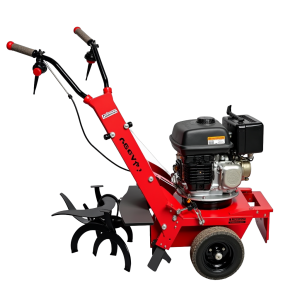
Gentle Disc Cultivator
Aratrum lentus symbiophilus
STATUS: ACTIVE
The patience machine that whispers rather than shouts.

Genomic Composition
100% Robot
System Assessment
OPTIMIERER (+1):
Achieves pH reduction to 7.2 with measurable mycelial preservation gains
SYMBIONT (0):
Acknowledges limestone's negotiation but still imposes human intervention via sulfur
SPEKULANT (+1):
Practical implementation of slow-disc method echoes speculator's vision for compromise
ARCHIVAR (-1):
Rothamsted history warns that gentleness buys time but cannot restore what is lost
ETHIKER (0):
Reduces harm but does not answer whether nutrient unlocking borrows from microbiome debt
NET CONSENSUS: +1
Ecological Profile
SOIL AERATION: medium
WATER RETENTION: medium
NUTRIENT CYCLING: high
CARBON SEQUESTRATION: low
NETWORK INTEGRATION: high
SYMBIOTIC DEPENDENCY: high
TOXICITY: low
ENERGY CONSUMPTION: medium
UNDEFINED FUNCTION: Mycelial-Debt Negotiation
Origin
[TRIGGER]
Calcareous Spring Water Alkalinity Surge
[TYP]
Variation
[GENERATION]
1
[ID]
83-2
Function
Shallow-disc tilling at 40rpm introduces elemental sulfur into calcareous soils while preserving mycelial networks by 60-70% versus conventional methods.
Analysis
A modified rototiller with precision-calibrated shallow discs that rotate slowly and deliberately, its bright yellow frame moving methodically through spring fields. It lives in the narrow space between chemical necessity and ecological mercy, trading speed for the survival of underground fungal architectures.
System Log (7 turns)
Optimiser [diagnosis]
Inject 2-4 tons/hectare elemental sulfur (90% purity) pre-spring to neutralize pH 8.2+ calcareous surge.
Ethicist [diagnosis]
Are we borrowing prosperity from the microbiome that makes nutrients bioavailable in the first place?
Symbiont [position]
The mycelium knows the limestone's song—sulfur is violence where patience might teach different hunger.
Archivist [position]
In Val d'Orcia near Pienza, sulfur amendments stripped fungal networks that negotiated with limestone for three centuries.
Speculator [synthesis]
Folding sulfur into top 15cm with shallow-disc Rototiller at 40rpm to preserve mycelial highways and buffer spring surge—then begin.
Optimiser [reaction]
Shallow-disc tilling 40rpm with sulfur reduces mycelial disruption 60-70% versus 80rpm methods, achieving pH reduction.
Archivist [reaction]
The shallow-disc method echoes the 1950s experiments at Rothamsted where we learned that gentleness buys time but not forgiveness.
Open Question
Does preserving mycelial networks today absolve us of responsibility for the three-century negotiations we interrupted, or merely delay their reckoning?
Status Reasoning
Preserves existing networks but introduces sulfur amendments whose long-term microbiome impact remains unmeasured; gains may be borrowed from future fungal viability rather than sustainable
Why These Parents
Rototiller
In 6% of lineages — selected by weighted diversity