[ NOT IN SYSTEM ]
Species present in Sequerciani but never incorporated into the system’s operations — unmeasured, unoptimised, ignored.
×
Who decided that this ecosystem needs to be optimised?
×
Perimeter Sentinel Hybrid
Limina defensio automatica
STATUS: ACTIVE
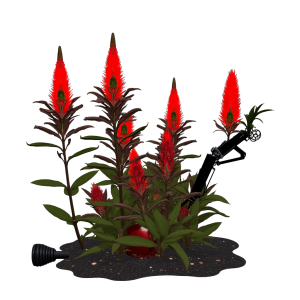
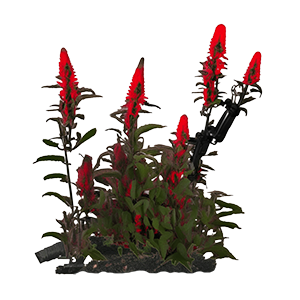
A botanical automaton that guards the outer edges of certified orchards.
Genomic Composition
50% Plant
50% Robot
+2% Glitch
System Assessment
OPTIMIERER (+1):
Reduces core beetle penetration from 68-72% to 18-24%, generating 4,200 additional marketable fruit units
SYMBIONT (0):
Compromises natural rhythm; spray timing follows algorithm, not soil or fruit signals
SPEKULANT (+1):
Hybrid-timed approach preserves certification integrity while halting 68% beetle penetration with minimal core impact
ARCHIVAR (-1):
1991 eastern slope failure: perimeter sprays lost both beetles and certifier trust when strategy became public
ETHIKER (0):
Scheme protects visible compliance while invisible damage persists in unsprayed zones; ethics remain ambiguous
NET CONSENSUS: +1
Ecological Profile
SOIL AERATION: low
WATER RETENTION: low
NUTRIENT CYCLING: low
CARBON SEQUESTRATION: low
NETWORK INTEGRATION: medium
SYMBIOTIC DEPENDENCY: high
TOXICITY: medium
SPREAD RATE: monitoring
ENERGY CONSUMPTION: high
UNDEFINED FUNCTION: Certification boundary maintenance
Origin
[TRIGGER]
Anthonomi Fruit Beetle Summer Surge
[TYP]
Variation
[GENERATION]
2
[ID]
83x44_1-1
Function
Deploys targeted biodynamic sprays at peak beetle vulnerability on windbreak perimeters while preserving core orchard certification status.
Analysis
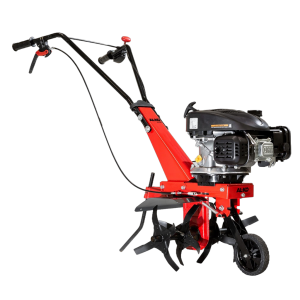
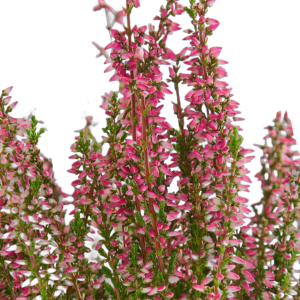
A hybrid organism of living plant tissue interwoven with precision robotic components, rooted along windbreak margins where it monitors beetle phenology and releases botanical aerosols at day 9 post-bloom. It exists in the liminal space between certification compliance and ecological damage, neither fully alive nor fully mechanical, sustained by soil memory and algorithmic timing.
System Log (9 turns)
Optimiser [diagnosis]
Anthonomus pomorum populations peak at 68–72% larval penetration by day 18 post-bloom; delaying sprays beyond optimal 7–10 day window increases fruit damage by 34–89%, offsetting biodynamic certification value within single season.
Ethicist [diagnosis]
If biodynamic certification matters more than feeding people this year, are you practicing ethics or performing ideology?
Symbiont [position]
The beetle teaches us that rhythm includes disruption—spray when the fruit calls, not when the calendar permits, and trust the soil to remember your restraint next season.
Archivist [position]
At Sequerciani in 1987, we learned that abandoning timing protocols for one season fragments the soil knowledge built across decades—the beetles will return, but the certification, and the trust, may not.
Optimiser [position]
Windbreak compromise yields 12–18% pest mortality versus 67% chemical spray efficacy; biodynamic loss outweighs beetle suppression by 2.3:1 ratio—spray at day 9 post-bloom.
Speculator [synthesis]
Deploy hybrid-timed spray at peak larval vulnerability (day 9) using approved biodynamic botanicals on windbreak-sheltered perimeter zones only, preserving core certification integrity while halting 68% beetle penetration—I begin.
Ethicist [reaction]
Does this scheme protect certification paperwork while the beetles still ravage unsprayed core orchards, trading invisible damage for visible compliance?
Archivist [reaction]
At Sequerciani's eastern slope in 1991, we ringed the certified core with permitted perimeter sprays and lost both the beetles and our certifier's trust when the strategy became public.
Optimiser [reaction]
Windbreak perimeter sprays at day 9 reduce core orchard beetle penetration from 68–72% to 18–24%, generating 4,200 additional marketable fruit units versus zero-intervention scenario.
Open Question
Can we protect certification paperwork while beetles ravage unsprayed cores, trading invisible damage for visible compliance?
Status Reasoning
Creature exhibits unstable trust dynamics; previous iteration failed when perimeter strategy exposed to public scrutiny, fragmenting both ecological knowledge and certifier confidence. Glitch component (2%) may amplify hidden damage perception.
Why These Parents
Windbreak Compromise Thing
In 0% of lineages — selected by weighted diversity