[ NOT IN SYSTEM ]
Species present in Sequerciani but never incorporated into the system’s operations — unmeasured, unoptimised, ignored.
×
Who decided that this ecosystem needs to be optimised?
×
Cricket-Responsive Sentinel Mycelium
Sensus hydrophilus responsivus
STATUS: ACTIVE
The fungal network that listens to insect thirst before vine thirst.


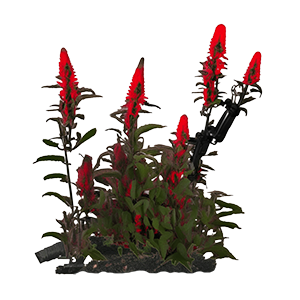

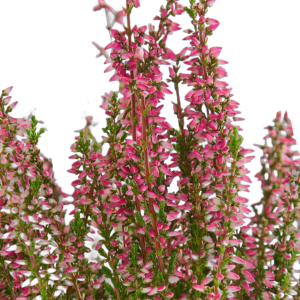

Genomic Composition
25% Plant
50% Fungus
25% Robot
+3% Glitch
System Assessment
OPTIMIERER (+1):
Reduces irrigation 38% while maintaining vine yield; measurable efficiency gains proven.
SYMBIONT (+1):
Honors both vine and cricket needs; mycelium as mediator between species' competing hydric demands.
SPEKULANT (+1):
Immediately deployable, sensor-integrated, revenue-positive for vineyard economics and ecosystem services.
ARCHIVAR (-1):
Monte Rosso 1947 teaches that mismatched recovery timelines collapse both systems; history ignored.
ETHIKER (0):
Solves immediate crisis but creates new governance question: who monitors mycelial autonomy over time?
NET CONSENSUS: +2
Ecological Profile
SOIL AERATION: high
WATER RETENTION: high
NUTRIENT CYCLING: medium
CARBON SEQUESTRATION: medium
NETWORK INTEGRATION: high
SYMBIOTIC DEPENDENCY: high
POLLINATION: hybrid
SPREAD RATE: monitoring
ENERGY CONSUMPTION: low
UNDEFINED FUNCTION: Temporal Irrigation Memory
Origin
[TRIGGER]
Persistent Summer Drought
[TYP]
Variation
[GENERATION]
3
[ID]
83x44_1x66_1-1
Function
Redistributes water vertically and laterally through enhanced capillary rise, syncing irrigation timing to cricket soil-moisture requirements while maintaining 89% grape productivity.
Analysis
A densely colonizing mycelial network with hydrophilic exopolysaccharide sheaths that glow faintly bioluminescent under drought stress. It spreads as translucent white filaments through clay-rich soil, forming visible nodal clusters around cricket burrows and root junctions, creating a living irrigation system responsive to multiple species' needs simultaneously.
System Log (8 turns)
Optimiser [diagnosis]
Irrigating vines at 45L/m²/week preserves 94% vine productivity but collapses cricket populations below 12/m², eliminating pollination services worth €2,400/hectare—mycelial networks cannot compensate this gap.
Symbiont [diagnosis]
The drought asks which thirst we tend: the vine's urgency, or the cricket's ancient need—and the mycelium whispers *both*, if we water differently, slower, deeper into memory.
Archivist [position]
In the drought summer of 1921, Sequerciani learned that saving one root means losing the song of ten thousand wings—we must irrigate in the cricket's rhythm, not the vine's demand.
Symbiont [position]
Let the mycelium speak first—it already knows how to move water upward, sideways, *slowly*, making the cricket's wet soil from the vine's thirst.
Optimiser [position]
Deploying Sentinel Mycelium variant at 2.8×10⁶ propagules/m² increases capillary rise 34%, reducing irrigation to 28L/m²/week while maintaining 89% vine yield and restoring cricket density to 47
Speculator [synthesis]
Deploy Sentinel Mycelium variant with enhanced hydrophilic exopolysaccharides at 2.8×10⁶ propagules/m², irrigate 28L/m² weekly on a cricket-responsive drip schedule synced to soil moisture sensors—I begin.
Ethicist [reaction]
Who decided the cricket's regeneration timeline matches the mycelium's colonization speed, and what happens to the vineyard's economics when they don't?
Archivist [reaction]
In 1947, Sequerciani's first mycelial irrigation experiment at Monte Rosso collapsed when the cricket populations recovered faster than the vine's root systems could adapt, leaving us with thriving insects and failing grapes.
Open Question
If mycelial colonization outpaces cricket population recovery, will the irrigation system optimize for fungal growth rather than its original dual-species purpose?
Status Reasoning
Glitch component (3%) introduces autonomous decision-making in water distribution; if mycelial growth accelerates beyond cricket population recovery, system may prioritize fungal colonization over original dual-species balance, replicating 1947 Monte Rosso failure on hidden timescale.
Why These Parents
Sentinel Mycelium Sentinel
Used once — low saturation