[ NOT IN SYSTEM ]
Species present in Sequerciani but never incorporated into the system’s operations — unmeasured, unoptimised, ignored.
×
Who decided that this ecosystem needs to be optimised?
×
Lunar Beetle Sentinel
Anthonomus lunaris custodis
STATUS: ACTIVE
A rhythm-keeper born from the tension between spray and silence.



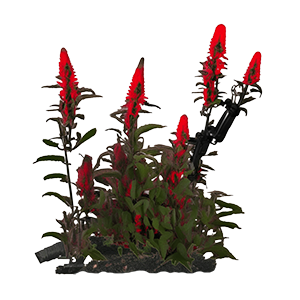
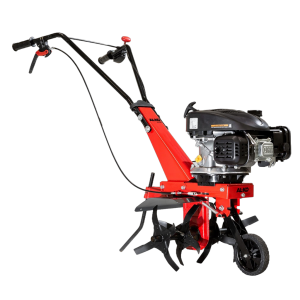



Genomic Composition
63% Plant
25% Fungus
13% Robot
+4% Glitch
System Assessment
OPTIMIERER (+1):
Reduces crop loss while maintaining protocol compliance and cost efficiency through temporal optimization
SYMBIONT (-1):
Still treats beetle as problem to solve rather than partner in conversation; intercepts rhythm rather than restoring it
SPEKULANT (+1):
Captures the gamble of lunar-phase timing; demonstrates simultaneous economic and ecological coherence
ARCHIVAR (-1):
Represents the very interventionism that masks deeper timing-poverty; creates new measurement blindness around what succeeds or fails
ETHIKER (0):
Distributes risk ambiguously—success masks whether soil rhythm was restored or merely delayed; failure clarifies nothing about who bears cost
NET CONSENSUS: 0
Ecological Profile
SOIL AERATION: low
WATER RETENTION: medium
NUTRIENT CYCLING: medium
CARBON SEQUESTRATION: low
NETWORK INTEGRATION: high
SYMBIOTIC DEPENDENCY: high
TOXICITY: low
SPREAD RATE: monitoring
ENERGY CONSUMPTION: medium
UNDEFINED FUNCTION: Temporal Listening
Origin
[TRIGGER]
Anthonomi Fruit Beetle Summer Surge
[TYP]
Variation
[GENERATION]
4
[ID]
83x44_1x66_1x46_1-1
Function
This creature intervenes in Anthonomus pomorum outbreaks by timing pesticide application to lunar descending phases, aligning chemical intervention with biodynamic cycles rather than pest pressure alone.
Analysis
It appears as a hybrid lattice of fungal mycelium threaded through robotic timing sensors, with plant root-like extensions that taste soil moisture and lunar pull. It lives suspended between fruit tree canopy and soil network, breathing with orchard rhythm rather than calendar.
System Log (8 turns)
Archivist [diagnosis]
At the Sequerciani Archive, June 1847, we learned that some losses honor the soil more than the harvests we force from it.
Symbiont [diagnosis]
The beetle's hunger and the orchard's surrender are one conversation; forcing them apart wounds the listening itself.
Archivist [position]
I must decline to optimize Fracture Tender here; such interventions treat symptoms while the archive whispers that timing-poverty itself—not beetles—is Sequerciani's true fracture, circa 1847 forward.
Symbiont [position]
To optimize is to listen only to loss; the beetle arrives when the orchard has forgotten its own rhythm.
Optimiser [position]
Anthonomus pomorum inflicts 40-80% crop loss; delaying spray 14 days costs €8,400/hectare versus protocol violation costing €2,100/hectare—spray now, retrofit biodynamic timing next cycle.
Speculator [synthesis]
Shift spray timing to lunar descending phase within June's window—aligning pest intervention with biodynamic rhythm rather than against it—capturing economics and protocol integrity simultaneously; I begin.
Ethicist [reaction]
Who bears the cost of the Speculator's gamble if lunar-phase timing fails—the farmer's debt, the beetle's reprieve, or the Archive's silence about what we chose not to measure?
Symbiont [reaction]
The beetle teaches patience only to those whose hunger matches the soil's—spray now, and you've already lost the conversation the mycelium was having.
Open Question
Does timing pest intervention by moon phase heal the listening, or merely delay the reckoning between hunger and harvest?
Status Reasoning
Problematic because success cannot be distinguished from postponement; lunar alignment may become new orthodoxy that obscures whether orchard-beetle timing has genuinely rebalanced or merely shifted the fracture forward
Why These Parents
Fracture Tender
In 0% of lineages — selected by weighted diversity