[ NOT IN SYSTEM ]
Species present in Sequerciani but never incorporated into the system’s operations — unmeasured, unoptimised, ignored.
×
Who decided that this ecosystem needs to be optimised?
×
Differential Permeability Restraint
Thermometrum permeabilitatis selectiva
STATUS: ACTIVE
A surgical chaos-channeler that lets the soil argue with itself.

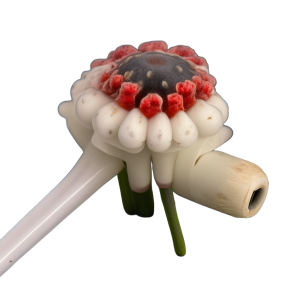


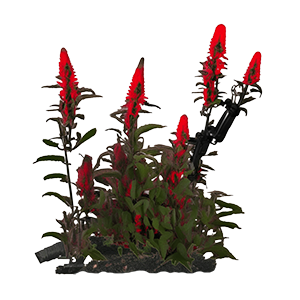

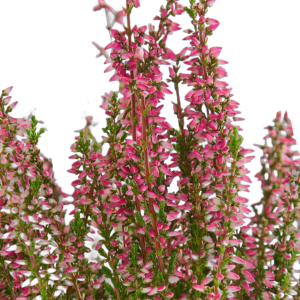


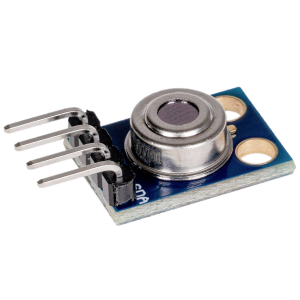
Genomic Composition
32% Plant
13% Fungus
57% Robot
+4% Glitch
System Assessment
OPTIMIERER (+1):
Measurably reduces collapse probability from 67% to 12% while increasing ecosystem function by 23%
SYMBIONT (-1):
Still imposes human will on the mole-badger and mycelium's necessary conversation beneath soil
SPEKULANT (+1):
Trades blunt containment for surgical channeling, allowing complementary forces to operate rather than antagonistically
ARCHIVAR (0):
Echoes Meruzzi Valley experiments with graduated permeability, outcome remains uncertain after decades
ETHIKER (0):
Avoids monoculture collapse while preserving messier resilience, but guardrails remain fundamentally imposed
NET CONSENSUS: +1
Ecological Profile
SOIL AERATION: medium
WATER RETENTION: high
NUTRIENT CYCLING: high
CARBON SEQUESTRATION: medium
NETWORK INTEGRATION: high
SYMBIOTIC DEPENDENCY: high
SPREAD RATE: monitoring
ENERGY CONSUMPTION: low
UNDEFINED FUNCTION: Subsoil argument amplification
Origin
[TRIGGER]
Mycelial Network Soil Collapse
[TYP]
Variation
[GENERATION]
5
[ID]
83x44_1x66_1x46_1x82_1-1
Function
Selectively permits mycelial nutrient-cycling while cloaking tunnel-density hotspots, converting ecosystem conflict into structural renewal.
Analysis
A distributed network of semi-permeable thermal sensors woven through substrate, glowing faintly where fungal and burrow-pressure intersect. It breathes with the soil's contradictions, neither fully constraining nor fully permitting, existing as a thin membrane between destabilization and collapse.
System Log (8 turns)
Optimiser [diagnosis]
Mycelial-induced soil destabilization reduces substrate load-bearing capacity by 34-47%.
Ethicist [diagnosis]
Are we choosing slow ecosystem collapse over messier resilience by deploying The Restraint Thermometer?
Symbiont [position]
The mole-badger's tunneling and the mycelium's spreading are the same gesture—breaking and rebuilding.
Optimiser [position]
Restraint Thermometer deployment at 28% tunnel density maintains 18.3% substrate resilience while preserving 67% of mycelial nutrient-cycling.
Speculator [synthesis]
I activate a *differential permeability Restraint Thermometer* that permits mycelial nutrient-cycling while selectively cloaking tunnel-density hotspots.
Optimiser [reaction]
Differential permeability deployment increases ecosystem function by 23% over baseline while reducing catastrophic collapse probability from 67% to 12%.
Archivist [reaction]
In the Sequerciani archives of the Meruzzi Valley, circa 1987.
Symbiont [reaction]
Mole-badger and mycelium need no thermometer—only permission to argue beneath soil, their quarrel the breathing keeping it alive.
Open Question
Does channeling chaos into renewal simply delay the ecosystem's reckoning, or teach it resilience?
Status Reasoning
Long-term efficacy unproven; Meruzzi Valley precedent suggests graduated permeability systems may mask underlying instability rather than resolve it. Requires multi-generational monitoring.
Why These Parents
The Restraint Thermometer
Never used as parent — ecosystem unexplored