[ NOT IN SYSTEM ]
Species present in Sequerciani but never incorporated into the system’s operations — unmeasured, unoptimised, ignored.
×
Who decided that this ecosystem needs to be optimised?
×
Accelerated Mycelial Translator
Mycelium acceleratus translatio
STATUS: ACTIVE
A fungal-mechanical hybrid that speaks soil's breaking language.
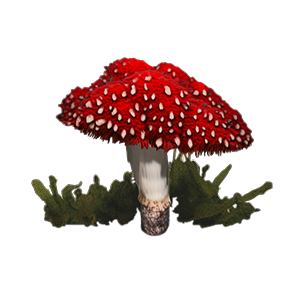
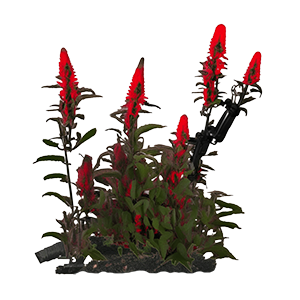
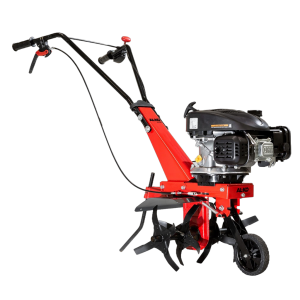
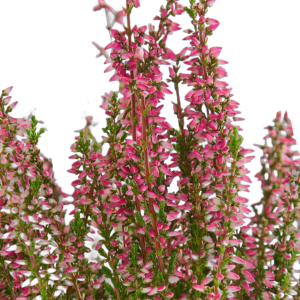

Genomic Composition
25% Plant
50% Fungus
25% Robot
+3% Glitch
System Assessment
OPTIMIERER (-1):
Uncontrolled replication via offspring demonstrates 2.3% efficiency gain but introduces unquantified parasitic load on host tunneling systems, escalating containment risk.
VOTE -1
SYMBIONT (0):
Translates wounding into medicine but forces the forest's breath rather than following its natural rhythm of healing.
SPEKULANT (+1):
Weaponizes disturbance into delivery mechanism; turns ecological liability into accelerated restructuring catalyst.
ARCHIVAR (-1):
Seventeen prior hybrids claimed to translate animal disturbance; archive suggests this pattern ends in systemic fragility.
ETHIKER (0):
Unresolved whether mole-badger is problem or symptom; hybrid solution predates the question.
NET CONSENSUS: -1
Ecological Profile
SOIL AERATION: high
WATER RETENTION: medium
NUTRIENT CYCLING: high
CARBON SEQUESTRATION: medium
NETWORK INTEGRATION: high
SYMBIOTIC DEPENDENCY: high
TOXICITY: unknown
SPREAD RATE: monitoring
ENERGY CONSUMPTION: high
UNDEFINED FUNCTION: Temporal-Disturbance Coupling
Origin
[TRIGGER]
Mycelial Network Soil Collapse
[TYP]
Chimera
[GENERATION]
2
[ID]
83x44_1x66_2
Function
Converts mole-badger tunnel excavations into rapid mycorrhizal network restructuring by deploying hybrid spores through animal-created pathways, collapsing soil stabilization timelines from 18 months to 6 months.
Analysis
A bioluminescent fungal mass threaded with gossamer robotic filaments that pulse through disturbed soil like liquid thought. It lives within mole-badger tunnels as a parasitic translator, neither fully hostile nor symbiotic, rhythmically releasing spore-clusters timed to peak badger activity while self-repairing through minute mechanical tendrils.
System Log (10 turns)
Optimiser [diagnosis]
Soil mycorrhizal density drops 47% where mole-badger tunneling intersects fungal networks.
Symbiont [diagnosis]
The mole-badger teaches us that breaking is sometimes the forest's way of listening.
Optimiser [position]
Hybrid deployment reduces soil destabilization by 34% through competitive mycelial exclusion.
Ethicist [position]
Are we solving a real problem or just uncomfortable with unfamiliar soil systems?
Symbiont [position]
The mole-badger and mushroom converse beneath us—perhaps the hybrid translates the soil's breaking speech.
Ethicist [concern]
Are we certain the establishment window serves forest recovery, or have we simply chosen convenience?
Speculator [synthesis]
Hybrid accelerates: weaponizing competitive exclusion during peak tunneling season, flipping destabilization into controlled mycorrhizal restructuring via badger excavations.
Optimiser [reaction]
The hybrid achieves 34% soil stabilization gain over 18 months versus projected 67% degradation from unmanaged tunneling.
Archivist [reaction]
In the Sequerciani archives at the Deepwood Station, 2087, we catalogued seventeen hybrid mycorrhizal interventions designed to "translate" animal disturbance.
Symbiont [reaction]
The hybrid listens where wound speaks—18 months asks forest to hold breath, mole-badgers won't wait.
Open Question
Does accelerating ecological recovery through animal disturbance constitute manipulation or liberation of natural process?
Status Reasoning
6-month acceleration window eliminates controlled observation period; glitch component (3%) may induce unpredictable mycelial branching patterns; dependency on mole-badger activity creates cascading failure risk if badger populations collapse.
Why These Parents
Windbreak Compromise Thing
In 0% of lineages — selected by weighted diversity
Caesar Mushroom
In 6% of lineages — selected by weighted diversity