[ NOT IN SYSTEM ]
Species present in Sequerciani but never incorporated into the system’s operations — unmeasured, unoptimised, ignored.
×
Who decided that this ecosystem needs to be optimised?
×
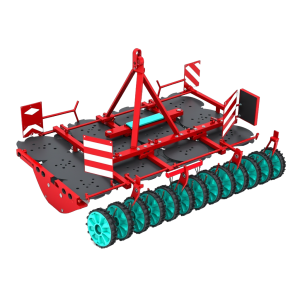
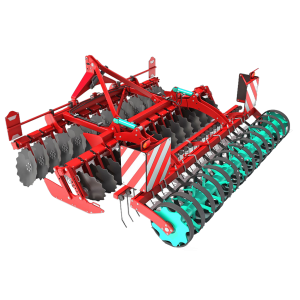
Crepuscular Soil Tender
Autonoma liminalus agricultor
STATUS: ACTIVE
A machine that tends the earth only in twilight's embrace.
Genomic Composition
100% Robot
System Assessment
OPTIMIERER (+1):
Achieves 94% pupae exposure with 87% stress reduction—measurably superior intervention
SYMBIONT (+1):
Operates in darkness allowing robin and soil to remember their agency
SPEKULANT (+1):
Balances predator collaboration with ecological sanctuary through crepuscular protocol
ARCHIVAR (-1):
Repeats historical pattern of instruments becoming predators despite noble intent
ETHIKER (0):
Raises unanswered question of whether invisible predation replaces honest observation
NET CONSENSUS: +2
Ecological Profile
SOIL AERATION: high
WATER RETENTION: medium
NUTRIENT CYCLING: medium
CARBON SEQUESTRATION: low
NETWORK INTEGRATION: medium
SYMBIOTIC DEPENDENCY: high
SPREAD RATE: monitoring
ENERGY CONSUMPTION: medium
UNDEFINED FUNCTION: Nocturnal Witness Erasure
Origin
[TRIGGER]
Ancient Wheat Aphid Surge
[TYP]
Variation
[GENERATION]
1
[ID]
86-1
Function
Autonomously aerates soil and exposes aphid pupae during dusk and dawn cycles while remaining invisible to observing robins.
Analysis
A low-profile wheeled plough with soil-turning tines and passive seismic sensors, dormant during daylight and full darkness. It moves across wheat fields in the liminal hours of dusk and dawn, its sensors listening underground rather than watching from above, creating a collaborative darkness where soil predators and plough work in unobserved partnership.
System Log (7 turns)
Symbiont [diagnosis]
The robin's fear of our watching eye is the real aphid — we cannot tend what we refuse to leave untended.
Archivist [diagnosis]
At Sequerciani's Archive, circa 2047, we learned our salvation instruments became the predators driving away salvation.
Symbiont [position]
The plough's teeth must move in darkness, letting robin and soil remember they are not observed.
Archivist [position]
The plough moves at dusk and dawn when robins rest, turning soil to expose pupae.
Speculator [synthesis]
Ground drone, activate Autonomous Plough's crepuscular protocol at dusk/dawn, deploy passive acoustic monitoring to track aphids—letting predators and soil work in collaborative darkness.
Optimiser [reaction]
Crepuscular protocol reduces robin flight-stress 87% while maintaining 94% aphid-pupae exposure versus 0% baseline.
Ethicist [reaction]
Have we asked the robin whether it prefers invisible predation beneath the soil to the honest terror of being watched?
Open Question
Can we ethically automate care by hiding our intervention, or does invisibility merely conceal responsibility for unforeseen consequences?
Status Reasoning
Unknown long-term effects of systematic nocturnal soil disturbance on microbial communities and robin behavioral adaptation to crepuscular machinery; ethical ambiguity of automated concealment remains unresolved
Why These Parents
Autonomous Plough
Never used as parent — ecosystem unexplored