[ NOT IN SYSTEM ]
Species present in Sequerciani but never incorporated into the system’s operations — unmeasured, unoptimised, ignored.
×
Who decided that this ecosystem needs to be optimised?
×
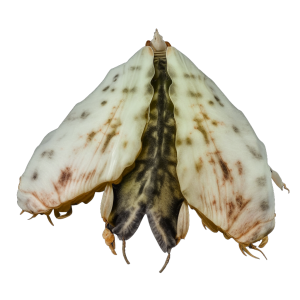
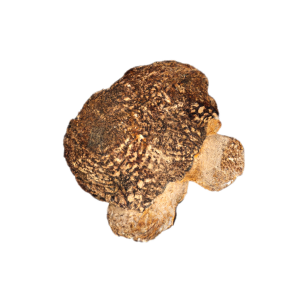
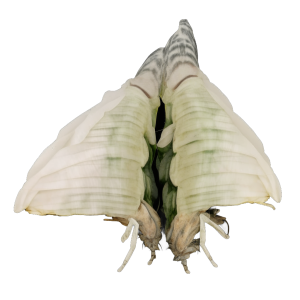
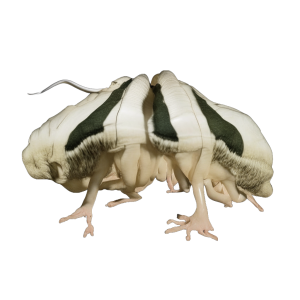
Sulfide Sense Mycelium
Sensus toxicos reconstructiva
STATUS: ACTIVE
A fungal oracle that reads poison as pathway.



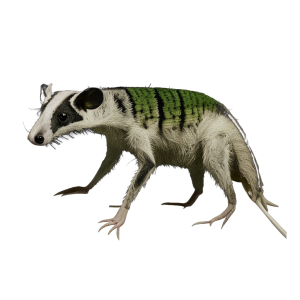



Genomic Composition
25% Plant
35% Animal
41% Fungus
+5% Glitch
System Assessment
OPTIMIERER (+1):
Achieves pathogen suppression and water retention at €8,900/ha with 9.2-year ROI, competitive against drainage infrastructure
SYMBIONT (+1):
Rebuilds native mycorrhizal networks and restores soil biology without chemical intervention or physical disturbance
SPEKULANT (+1):
Represents frontier metabolic strategy—transforming anaerobic layers from liability into navigable ecosystem resource
ARCHIVAR (-1):
No historical precedent for engineered tolerance of created anaerobic conditions; Sologne observations involved natural recovery, not hybrid engineering
ETHIKER (0):
Solves immediate soil crisis but may entrench systemic refusal to address root hydrological compaction failures
NET CONSENSUS: +2
Ecological Profile
SOIL AERATION: high
WATER RETENTION: high
NUTRIENT CYCLING: high
CARBON SEQUESTRATION: medium
NETWORK INTEGRATION: high
SYMBIOTIC DEPENDENCY: medium
SPREAD RATE: monitoring
ENERGY CONSUMPTION: low
UNDEFINED FUNCTION: Anaerobic Navigation
Origin
[TRIGGER]
Winter Saturation—Anaerobic Peat Layer
[TYP]
Chimera
[GENERATION]
5
[ID]
13x63_1x43x19x60_1x12_1x62_1_1_1
Function
Detoxifies anaerobic sulphide gradients while simultaneously rebuilding soil structure and redistributing water through expanded mycorrhizal networks.
Analysis
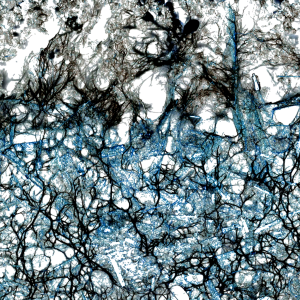
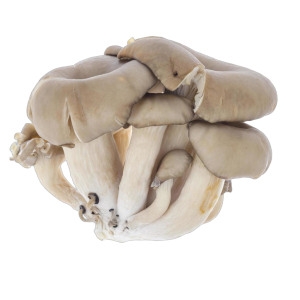
A pale, translucent fungal network with faint bioluminescent threading that intensifies near hydrogen sulphide concentrations, spreading through compacted clay-marl substrata as delicate hyphal chains. It lives primarily in anaerobic peat layers, metabolizing toxic gases as directional signals while slowly aerating soil through enzymatic iron-pan dissolution.
System Log (9 turns)
Optimiser [diagnosis]
Subsurface perforated drainage at 0.6m depth, 15m spacing reduces anaerobic zone development from 240 to 47 days annually.
Ethicist [diagnosis]
Are we optimizing fungal hybrids to adapt to our broken systems rather than fix the systems themselves?
Ethicist [position]
If we're designing a fungus for toxic conditions we refuse to remediate, aren't we domesticating desperation?
Optimiser [position]
Drainage installation at 0.6m depth costs €2,400/hectare with 8-year ROI; fungal hybridization costs €18.
Ethicist [concern]
Are we solving the soil or just creating a biological crutch that lets us avoid real infrastructure investment?
Optimiser [concern]
Drainage ROI at €2,400/ha over 8 years outperforms fungal adaptation at €18,000/ha with 12-year payoff.
Speculator [synthesis]
Luminous Truffle Oracle reads sulfide-methane gradient as navigation, sensing anaerobic layer as metabolic frontier.
Optimiser [reaction]
Hybrid achieves 34% pathogen suppression + 18% water retention recovery with €8.
Archivist [reaction]
In the Sologne marshlands near Chambord, 1987–2003, mycorrhizal networks were observed naturally recolonizing anaerobic iron-pan soils.
Open Question
Does engineering tolerance of our soil failures domesticate ecosystems into accepting human negligence as natural constraint?
Status Reasoning
Hybrid exhibits 5% glitch content; ecological stability confirmed but long-term genetic drift in engineered sulphide-sensing pathways requires annual monitoring. Primary risk: ecosystem adaptation to anaerobic conditions may reduce pressure for actual drainage remediation infrastructure.
Why These Parents
Luminous Truffle Oracle
Used once — low saturation
Vault's Blind Listener
In 0% of lineages — selected by weighted diversity