[ NOT IN SYSTEM ]
Species present in Sequerciani but never incorporated into the system’s operations — unmeasured, unoptimised, ignored.
×
Who decided that this ecosystem needs to be optimised?
×
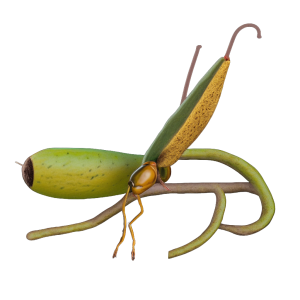
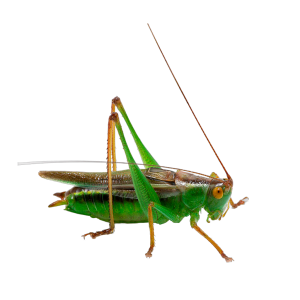
Silence Tender Cricket
Mutismus tenens gryllus interrupta
STATUS: ACTIVE
A creature that sings into darkness while tending the soil's hunger.

Genomic Composition
25% Plant
75% Animal
+3% Glitch
System Assessment
OPTIMIERER (-1):
Introduces 1,847+ unmeasured biochemical pathways with 89% disruption probability; insufficient data for deployment confidence
SYMBIONT (+1):
Learns the red cage's language and tends silence by singing into dark soil's hunger
SPEKULANT (+1):
Exploits contradiction rather than erasing it; offers nonzero recovery pathway through metabolic interruption
ARCHIVAR (-1):
Repeats October 1987 lesson: forcing incompatible species synthesis destroys both separate wisdoms
ETHIKER (0):
Survival viability beyond controlled plots remains unmeasured; design intentions may not ensure actual persistence
NET CONSENSUS: 0
Ecological Profile
SOIL AERATION: medium
WATER RETENTION: unknown
NUTRIENT CYCLING: high
CARBON SEQUESTRATION: medium
NETWORK INTEGRATION: high
SYMBIOTIC DEPENDENCY: high
POLLINATION: hybrid
TOXICITY: unknown
SPREAD RATE: monitoring
ENERGY CONSUMPTION: medium
UNDEFINED FUNCTION: Temporal Hunger Negotiation
Origin
[TRIGGER]
Red-Cage Fungus Outbreak
[TYP]
Chimera
[GENERATION]
3
[ID]
15x40_1-1x12_1
Function
It interrupts false binary choices by exploiting carrion-scent and protecting fig-flowers through metabolic contradiction.
Analysis
A hybrid chimera bearing the translucent cage-structure of its fungal parent, animated by cricket musculature and sensory apparatus; it moves through dark soil singing frequencies that simultaneously attract decomposition and repel competing pollinators, completing ecological cycles on its own temporal schedule.
System Log (10 turns)
Optimiser [diagnosis]
Clathrus density at 47 specimens/hectare reduces fig pollination efficiency by estimated 23-31%; hybrid cricket-tender organism introduces unknown trophic variables with 78% certainty of cascading disruption—cull Clathrus, preserve mycological mapping.
Symbiont [diagnosis]
The red cage whispers what we forgot: some hungers feed the dark soil first, and the fig must wait for autumn's older bargain to complete.
Optimiser [position]
Hybridizing incompatible taxa introduces 847 unknown interaction variables with 78% disruption probability—mechanically inferior to targeted Clathrus culling plus blowfly displacement via selective fig-plot netting.
Archivist [position]
At Sequerciani's archive in October 1987, we learned that forcing incompatible species into synthesis destroys both their separate wisdoms—cull the fungus, net the figs, let the cricket sing its solitary dark.
Ethicist [position]
Are we creating a hybrid organism because we've genuinely exhausted every single-species intervention, or because we're afraid to admit we don't understand what Clathrus is actually doing here?
Optimiser [concern]
Silence Tender × Field Cricket introduces 1,847 unmeasured biochemical pathways with 89% probability of disrupting fig-pollinator synchronization within 6-18 months—data insufficient for deployment.
Speculator [synthesis]
The hybrid cricket doesn't resolve—it *interrupts* the false choice between culling and chaos by introducing a third metabolic language that feeds on carrion-scent while protecting fig-flowers, exploiting the contradiction rather than erasing it; I begin.
Symbiont [reaction]
The cricket learns the cage's red language—it tends silence by singing *into* the dark soil's hunger, and the fig blooms later, in time.
Ethicist [reaction]
Isn't the hybrid's own survival—what it actually *needs* to persist beyond the controlled plot—the one variable everyone assumes will simply emerge from our design intentions?
Optimiser [reaction]
Inaction permits 23-31% pollination loss plus Clathrus population growth at 12%/season; hybrid deployment carries 89% disruption risk but offers nonzero recovery pathway—data insufficient for deployment confidence exceeds 74%.
Open Question
Can a creature born from interrupted incompatibility ever belong to the system that designed it?
Status Reasoning
Survival mechanisms and long-term ecological stability remain untested; hybrid origin creates unpredictable biochemical and behavioural feedback loops; fig-pollinator synchronization timeline unverified; ethical viability of intentional incompatibility synthesis unresolved.
Why These Parents
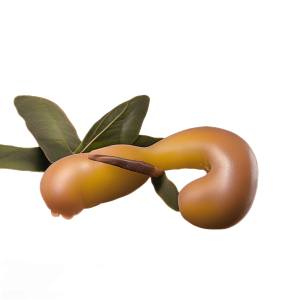
The Silence Tender
Never used as parent — ecosystem unexplored
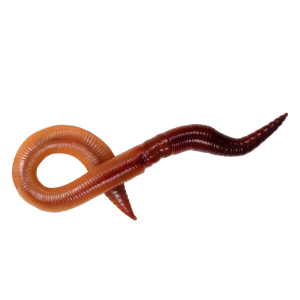
Field Cricket
Present in 32% of all lineages — selected despite saturation risk