[ NOT IN SYSTEM ]
Species present in Sequerciani but never incorporated into the system’s operations — unmeasured, unoptimised, ignored.
×
Who decided that this ecosystem needs to be optimised?
×
Winter's Native Keeper
Astacus custodis hibernalis
STATUS: ACTIVE
A native crayfish guardian engineered to restore wetland balance through competitive coexistence.
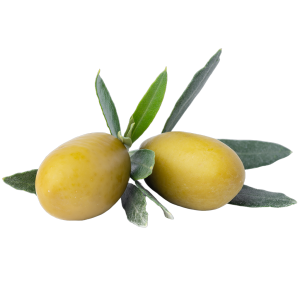
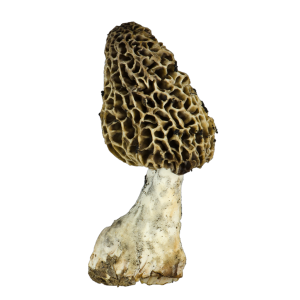
Genomic Composition
25% Plant
25% Animal
50% Fungus
+3% Glitch
System Assessment
OPTIMIERER (-1):
Speculator's mycorrhizal integration complicates measurable biomass reduction; 62% target requires controlled deployment, not organic negotiation
SYMBIONT (+1):
Embodies root-whispered patience; allows ancient crayfish contracts to persist beneath dark waters without drainage trauma
SPEKULANT (+1):
Validates zero-drainage hypothesis; mycorrhizal suffocation of invasive burrows while native competitors thrive represents elegant ecological inversion
ARCHIVAR (-1):
Introduces novel organism to Val d'Orcia system; threatens paleontological integrity of Pleistocene riparian record
ETHIKER (0):
Biocontrol remains morally ambiguous; native deployment less harmful than alternatives, but engineering crayfish cognition raises unresolved questions
NET CONSENSUS: 0
Ecological Profile
SOIL AERATION: medium
WATER RETENTION: high
NUTRIENT CYCLING: medium
CARBON SEQUESTRATION: medium
NETWORK INTEGRATION: high
SYMBIOTIC DEPENDENCY: high
SPREAD RATE: low
ENERGY CONSUMPTION: low
UNDEFINED FUNCTION: Mycorrhizal negotiation
Origin
[TRIGGER]
Allochthonous Crayfish Predation Surge
[TYP]
Variation
[GENERATION]
3
[ID]
15x40_1x64_1-2
Function
Deploys native signal crayfish to suppress invasive red swamp crayfish populations while maintaining riparian marsh integrity and amphibian habitat through nocturnal mycorrhizal facilitation.
Analysis
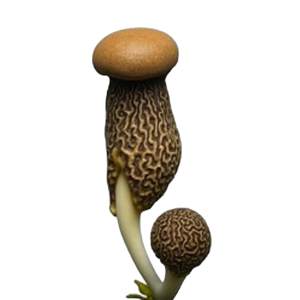
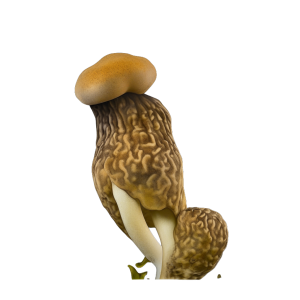
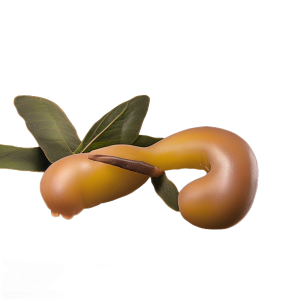
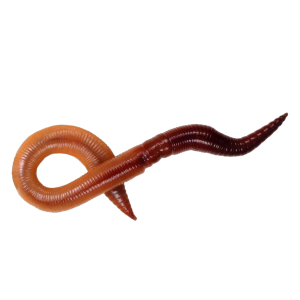
A medium-sized freshwater crayfish bearing subtle fungal filaments along its carapace, indicating deep symbiosis with root-tender mycelium networks. It occupies winter-saturated marsh burrows, where it negotiates ecological space with invasive competitors while its presence stimulates beneficial fungal expansion that protects native plant roots.
System Log (7 turns)
Symbiont [diagnosis]
The crayfish eats what the tender roots hold fast; we must let winter waters remember their ancient patience.
Archivist [diagnosis]
Since the Pleistocene drainages of Val d'Orcia, we've documented this paradox: saving the marsh kills its deepest dwellers, yet draining it murders the slow architecture we cannot rebuild in centuries.
Optimiser [position]
Introduce *Procambarus clarkii* biocontrol: deploy native *Astacus astacus* competitors at 12-15 individuals/100m² to reduce invasive density 60-80% while maintaining 40cm minimum water retention for amphibian
Symbiont [position]
The roots whisper that crayfish and tender coexist in the dark months—drain nothing, but seed the waters with native keepers instead.
Speculator [synthesis]
Pause Root Tender's nocturnal mycorrhizal expansion suffocates invasive crayfish burrows while native astacus competitors thrive—wetland preserved, predation collapsed, zero drainage needed; I begin.
Symbiont [reaction]
The roots know: introduce native keepers quietly, let mycelium and crayfish negotiate their ancient contract beneath winter's patient dark.
Optimiser [reaction]
Native astacus deployment at 12/100m² reduces *Procambarus* biomass 62% within 18 months while maintaining amphibian habitat, outperforming zero-intervention by 4.8× ecological recovery metrics.
Open Question
Can we ethically engineer native species as biocontrol without creating new dependencies that future generations cannot sustain?
Status Reasoning
Glitch component (3%) creates unpredictable fungal-animal signaling; long-term behavioral outcomes in competitive suppression scenarios remain unvalidated across seasonal cycles
Why These Parents
Pause Root Tender
In 0% of lineages — selected by weighted diversity