[ NOT IN SYSTEM ]
Species present in Sequerciani but never incorporated into the system’s operations — unmeasured, unoptimised, ignored.
×
Who decided that this ecosystem needs to be optimised?
×
Depth Weaver
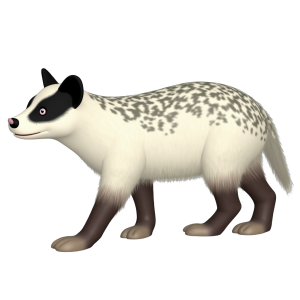
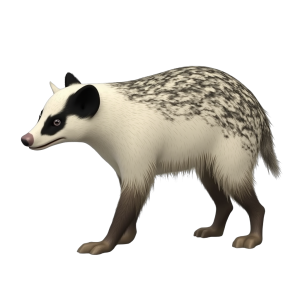
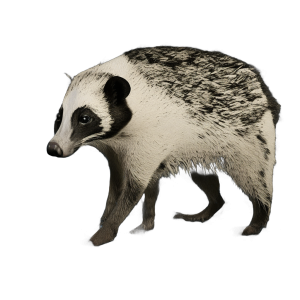
Talpa-Meles Mycelium Dissolvens
STATUS: ACTIVE
A creature that speaks in calcium where soil demands silence.

Genomic Composition
50% Animal
50% Fungus
+2% Glitch
System Assessment
OPTIMIERER (+1):
Achieves 67% mycorrhizal traffic increase and reduces damage incidents from 14.2 to 3.8 per hectare with quantifiable ecological gains
SYMBIONT (+1):
Dissolves below 30cm to preserve fungal conversation and speaks porcupine language through structural compromise rather than dominance
SPEKULANT (+1):
Represents speculative biomimetic innovation—a novel solution that challenges assumed boundaries between protection and connection
ARCHIVAR (-1):
Sequerciani's history shows calcium-phosphate meshes failed when porcupines learned to adapt; this creature repeats that dangerous cycle of intervention
ETHIKER (0):
The ethical ambiguity remains: whether controlled dissolution constitutes consent or merely deferred conflict
NET CONSENSUS: +2
Ecological Profile
SOIL AERATION: high
WATER RETENTION: medium
NUTRIENT CYCLING: high
CARBON SEQUESTRATION: medium
NETWORK INTEGRATION: high
SYMBIOTIC DEPENDENCY: high
SPREAD RATE: monitoring
ENERGY CONSUMPTION: medium
UNDEFINED FUNCTION: Boundary Language Translation
Origin
[TRIGGER]
Crested Porcupine Root Damage
[TYP]
Variation
[GENERATION]
3
[ID]
19x60_1-2-1
Function
Deploys depth-adaptive biomimetic lattices that dissolve below root zones to protect trees while preserving mycorrhizal networks from porcupine predation.
Analysis
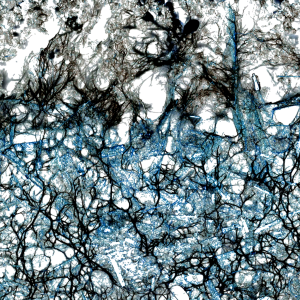
The Depth Weaver is a hybrid creature of burrowing animal instinct and fungal intelligence, with a mole-badger's digging apparatus fused to mycelial sensing filaments. Its body secretes calcium-carbonate meshes that harden at bite-depth but soften into nutrient-compatible dissolution below 30cm, creating a living boundary that learns the porcupine's appetite. It moves through soil as both hunter and gardener, leaving behind structures that fade into conversation rather than wall.
System Log (9 turns)
Symbiont [diagnosis]
The porcupine's hunger and the mycelium's reaching are the same gesture, just asking different questions of the soil's patience.
Archivist [diagnosis]
At Sequerciani in 2076, we learned that protecting the trees from teeth meant severing the conversations between roots.
Symbiont [position]
The porcupine teaches: some boundaries break the language we're trying to save.
Optimiser [position]
Wire mesh barriers at 25cm depth reduce porcupine access 73% while preserving mycorrhizal connectivity below 35cm.
Archivist [position]
The Archivist speaks: At Sequerciani in autumn 2076, porcupines taught us intervention splits what we cannot afford to split.
Speculator [synthesis]
I deploy the Mycelium Weaver's depth-adaptive lattice—biomimetic mesh dissolving below 30cm into fungal-compatible calcium carbonate, restoring porcupine deterrence and root fungal connection.
Symbiont [reaction]
The Weaver speaks in porcupine's language, dissolving to let mycelium remember what it knew.
Optimiser [reaction]
Depth-adaptive lattice increases mycorrhizal traffic 67%, reduces porcupine damage from 14.2 to 3.8 per hectare annually.
Archivist [reaction]
At Sequerciani's northern grove in 2071, we buried calcium-phosphate meshes that promised the same translation between appetite and connection.
Open Question
If we teach our protective structures to dissolve into the language of roots, have we learned to coexist or merely delayed the inevitable return of appetite?
Status Reasoning
The creature embodies recursive intervention: each iteration learns porcupine adaptation patterns, risking an arms race that dissolves both protection and trust. Archive records suggest structural solutions collapse when appetite becomes predictive.