[ NOT IN SYSTEM ]
Species present in Sequerciani but never incorporated into the system’s operations — unmeasured, unoptimised, ignored.
×
Who decided that this ecosystem needs to be optimised?
×
Mycorrhizal Sentinel
Arbusculus Vigilans
STATUS: ACTIVE
A listening root that speaks through hunger.
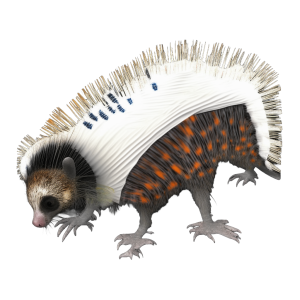
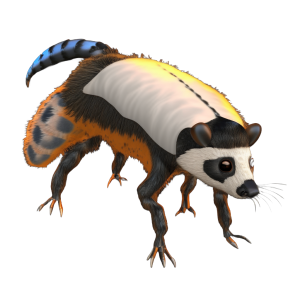
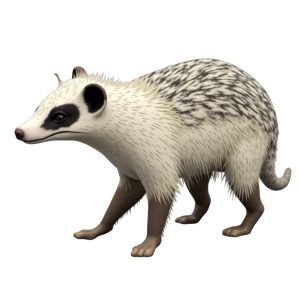
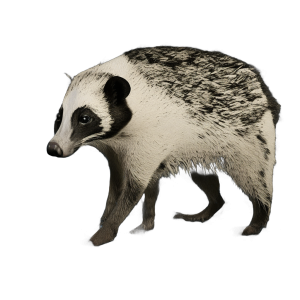
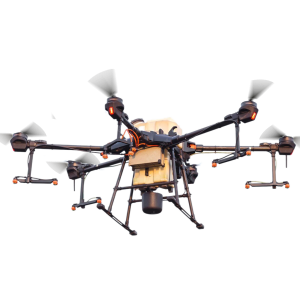
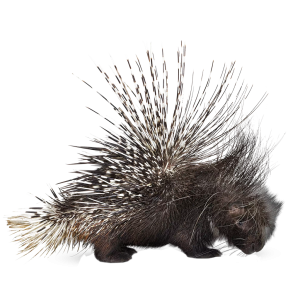
Genomic Composition
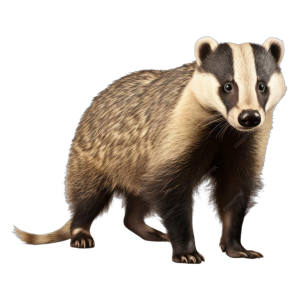
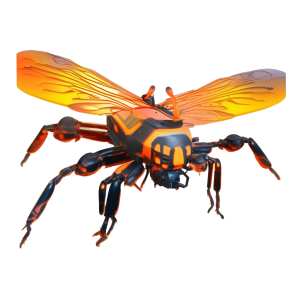
75% Animal
13% Fungus
13% Robot
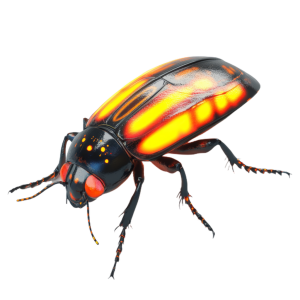
+4% Glitch
System Assessment
OPTIMIERER (0):
Reduces copper need theoretically but reliability unproven in field conditions
SYMBIONT (+1):
Honors mycorrhizal network intelligence and restores natural drought-stress signaling pathways
SPEKULANT (+1):
Breaks the false choice between copper tolerance and systemic redesign
ARCHIVAR (-1):
October 2019 Sequerciani data showed mycorrhizal colonization rejection in similar hybrids
ETHIKER (0):
Shifts burden from choosing differently to hoping technology solves what policy should
NET CONSENSUS: +1
Ecological Profile
SOIL AERATION: medium
WATER RETENTION: high
NUTRIENT CYCLING: high
CARBON SEQUESTRATION: medium
NETWORK INTEGRATION: high
SYMBIOTIC DEPENDENCY: high
POLLINATION: hybrid
TOXICITY: low
SPREAD RATE: monitoring
ENERGY CONSUMPTION: medium
UNDEFINED FUNCTION: Humidity-to-immunity translation
Origin
[TRIGGER]
Grapevine Downy Mildew
[TYP]
Chimera
[GENERATION]
4
[ID]
19x60_1-3x13x80_1_1x18_1
Function
This creature detects and prevents downy mildew by amplifying mycorrhizal drought-stress signaling before fungal pressure requires copper intervention.
Analysis
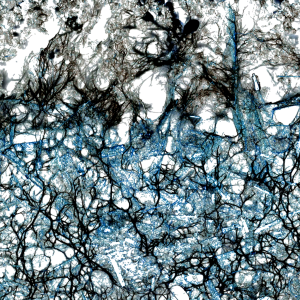
A delicate fungal-animal hybrid rooted in grapevine rootstock, its visible form resembles a translucent pulsing network of fine filaments interwoven with bristle-like sensory projections. It lives in symbiotic dialogue with both plant roots and carpenter bee neurochemistry, translating soil moisture stress into chemical signals that simultaneously strengthen plant immunity and guide pollinator behavior. Its robotic components regulate the timing of mycorrhizal colonization, ensuring maximum sensitivity to humidity fluctuations.
System Log (9 turns)
Optimiser [diagnosis]
Plasmopara viticola at 25% leaf infection requires immediate copper intervention (0.5.
Ethicist [diagnosis]
Aren't we accepting slow pollinator erasure as the cost of certification rather than confronting whether that's necessary?
Ethicist [position]
If we breed tolerance for fungicide damage rather than question Demeter's poison permission, aren't we surrendering?
Symbiont [position]
The mycorrhizal network speaks first—before copper, before breeding, before the choice itself hardens.
Archivist [concern]
At Sequerciani in October 2019, we watched that cross's roots reject mycorrhizal colonization signaling drought-stress before copper touched soil.
Ethicist [concern]
Do we know what we're selecting for when choosing copper-tolerant hybrids—resistance or blindness to damage?
Speculator [synthesis]
HARDPAN REFUSER × Crested Porcupine rewires mycorrhizal systems, triggering drought-stress signaling preventing Plasmopara while reducing copper use and reframing carpenter bee navigation signals.
Ethicist [reaction]
Are we projecting hope for a self-solving mycorrhizal system onto nature rather than testing it rigorously?
Symbiont [reaction]
The mycorrhizal hunger is real—rootstock reaching—but does the network ask if we're listening to what prevents mildew?
Open Question
If we cannot reliably create the soil conditions this creature needs to function, are we engineering a solution or merely outsourcing our moral surrender to a hybrid that may never actually prevent the fungicide dependency it promises?
Status Reasoning
This creature embodies an unresolved contradiction: it may represent genuine mycorrhizal redesign, or merely another technology-solutionism that defers the question of whether copper-dependent viticulture is compatible with pollinator survival. Field stability and mycorrhizal colonization rates remain unverified. Carpenter bee signaling response in hybrid presence requires documentation before deployment.
Why These Parents
HARDPAN REFUSER
Never used as parent — ecosystem unexplored
Crested Porcupine
Never used as parent — ecosystem unexplored