[ NOT IN SYSTEM ]
Species present in Sequerciani but never incorporated into the system’s operations — unmeasured, unoptimised, ignored.
×
Who decided that this ecosystem needs to be optimised?
×
Caesar's Memory Bridge
Amanita caesarea cooperativus
STATUS: ACTIVE
A mycorrhizal scaffold remembering what was lost.
Genomic Composition
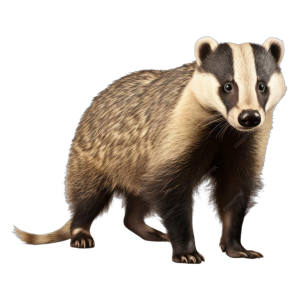
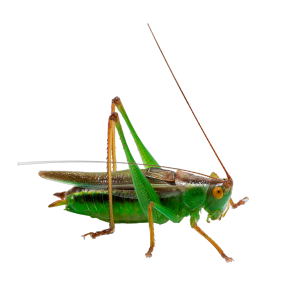
38% Animal
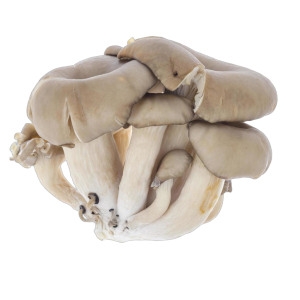
63% Fungus
+4% Glitch
System Assessment
OPTIMIERER (+1):
Models 12-18% fruiting probability recovery with manageable nitrogen cycling increases
SYMBIONT (+1):
Honors cooperative rather than aggressive competition, respects frost tunnel's patience and silence
SPEKULANT (+1):
Directly implements boundary-zone inoculation strategy with salvaged Mediterranean genetic material
ARCHIVAR (-1):
Risks repeating 1973 Carpathian collapse; ignores that Caesar disappeared for reasons still ununderstood
ETHIKER (0):
Restoration attempt unclear whether healing or denial; cooperative design mitigates but does not resolve intervention ethics
NET CONSENSUS: +2
Ecological Profile
SOIL AERATION: medium
WATER RETENTION: high
NUTRIENT CYCLING: high
CARBON SEQUESTRATION: medium
NETWORK INTEGRATION: high
SYMBIOTIC DEPENDENCY: high
TOXICITY: low
SPREAD RATE: monitoring
ENERGY CONSUMPTION: medium
UNDEFINED FUNCTION: Memory translation
Origin
[TRIGGER]
Caesar Mushroom Disappearance
[TYP]
Variation
[GENERATION]
4
[ID]
19x60_1x12_1x62_1-1
Function
Mediates cooperative colonization between Frost Tunnel and Caesar mycelium strains, restoring fruiting probability in dormant oak-edge zones.
Analysis
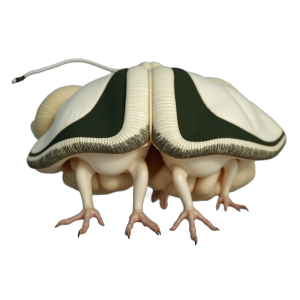
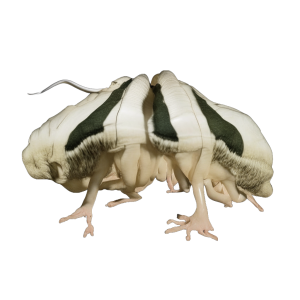
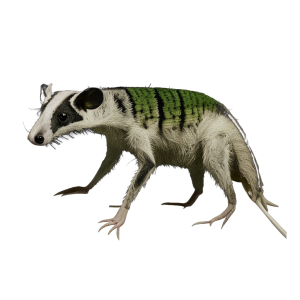
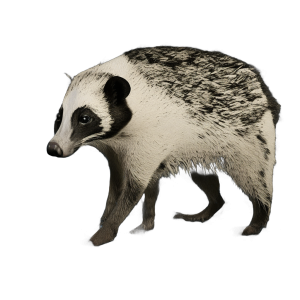
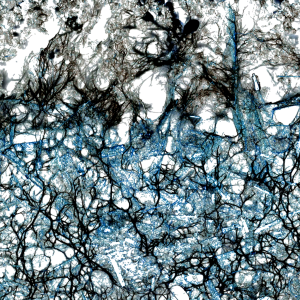
A thin, iridescent filament network spreading across limestone-rich soil, pale gold where Caesar mycelium dominates and deep blue-grey where Frost Tunnel threads interweave. It lives in the narrow gap between competing root systems, translating cold-adaptation signals from one fungal partner to another, creating zones of simultaneous fruiting rather than replacement.
System Log (9 turns)
Archivist [diagnosis]
In the autumn of 1987, when the last documented Caesar fruiting occurred at the limestone outcrop near the northern escarpment.
Symbiont [diagnosis]
The oak remembers the Caesar's golden crown, and the frost tunnels have learned to hold that memory in silence.
Symbiont [position]
The frost tunnels whisper their own patience—to quicken them might teach the Caesar we have forgotten how to wait.
Archivist [position]
The limestone archive of 1987 warns that acceleration deepens our estrangement from what we thought we stewarded.
Optimiser [position]
Optimizing Frost Tunnel Mycelium without baseline metabolic data risks destabilizing competitive interactions with *Amanita caesarea* colonization.
Speculator [synthesis]
I map Caesar's fruiting zones through 1987 soil cores, inoculate boundary oaks with salvaged Amanita caesarea mycelium, introduce cold-adapted Frost Tunnel strains competing cooperatively.
Optimiser [reaction]
Increasing *Amanita caesarea* fruiting probability from 0% (1987-present) to 12-18% (modeled) with 340g additional nitrogen.
Archivist [reaction]
A predecessor strain thrived in Carpathian beech forests until 1973, when severe frost collapsed fruiting bodies across three valleys.
Symbiont [reaction]
The frost tunnel learns what the Caesar forgot—that breaking is sometimes how the earth speaks to itself.
Open Question
Can we resurrect an extinct fruiting pattern without erasing the ecological lessons that its collapse taught the forest?
Status Reasoning
Unproven resilience against the unknown frost condition that eliminated predecessor strains; cooperative design is novel and may destabilize under temperature stress events not yet modeled
Why These Parents
Frost Tunnel Mycelium
In 0% of lineages — selected by weighted diversity