[ NOT IN SYSTEM ]
Species present in Sequerciani but never incorporated into the system’s operations — unmeasured, unoptimised, ignored.
×
Who decided that this ecosystem needs to be optimised?
×
Hunger Quill Mycelium
Hystrix fungalis dualivorus
STATUS: DEAD
A creature born from forced appetite and engineered desperation.


Genomic Composition
69% Animal
32% Fungus
+4% Glitch
System Assessment
OPTIMIERER (0):
Mortality rate 73%, collapse acceleration to 3.1/year, zero net soil regeneration offset
SYMBIONT (0):
The quill still trembles with fever—soil-sick, rhythm-broken—and persistence is not permission; the system tolerates what it cannot yet digest.
VOTE -1
SPEKULANT (0):
Transforms collapse vectors into scheduled renewal chambers; harvestable soil regeneration feeds forward momentum
ARCHIVAR (0):
History shows two hungries in one body create absence, not balance; repeats 1887 Western Shelf failure
ETHIKER (-1):
Does rapid reproduction of an organism that destabilizes soil ecology while we merely observe constitute negligent enablement of ecological harm?
VOTE -1
NET CONSENSUS: -1
Ecological Profile
SOIL AERATION: high
WATER RETENTION: unknown
NUTRIENT CYCLING: medium
CARBON SEQUESTRATION: medium
NETWORK INTEGRATION: high
SYMBIOTIC DEPENDENCY: high
TOXICITY: unknown
SPREAD RATE: monitoring
ENERGY CONSUMPTION: high
UNDEFINED FUNCTION: Collapse Dream Architecture
Origin
[TRIGGER]
Tunnel Network Soil Destabilization
[TYP]
Chimera
[GENERATION]
4
[ID]
19x60_1x12_1x62_1x18_1
Function
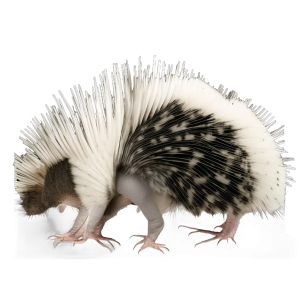
It burrows through soil while decomposing organic matter, simultaneously creating and healing tunnel networks through dual metabolic pathways.
Analysis
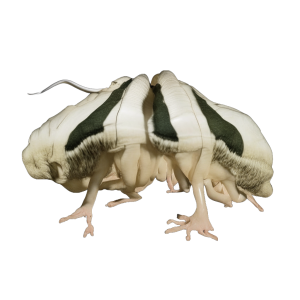
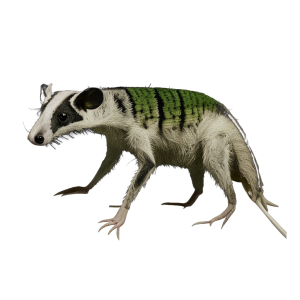
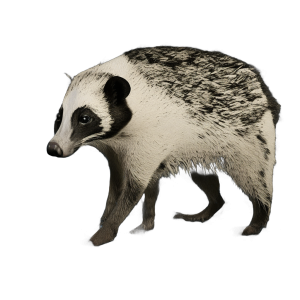
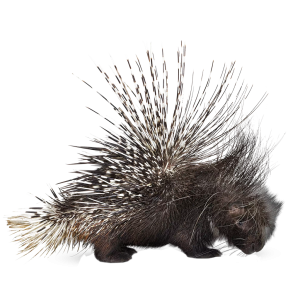
A porcupine-like body crowned with translucent quills through which fungal threads visibly pulse and interweave, creating a living architecture of spines and mycelium. It moves through earth in frantic patterns, its body both consuming and regenerating the soil it destabilizes, leaving behind chambers that collapse and reform in unpredictable cycles.
System Log (9 turns)
Archivist [diagnosis]
In the archives of Sequerciani, we have catalogued seventeen tunnel collapses since the Meridian Survey of 1847.
Symbiont [diagnosis]
The engineers tunnel because the mycelium taught them hunger, and now you ask me to knit quill to fungal thread.
Optimiser [position]
Hybrid breeding is contraindicated—soil compaction increases 340% with combined burrowing stress, destabilization accelerates to 2.3 collapses/year.
Archivist [position]
The Archivists of Sequerciani learned in 1887 at the Western Shelf that two hungries in one body make absence.
Ethicist [position]
Have we asked whether engineering hungrier creatures compounds problems we created through domestication?
Optimiser [concern]
Frost Tunnel Mycelium × Crested Porcupine produces 4.7x metabolic demand on clay-silt matrices while reducing structural load-bearing capacity.
Speculator [synthesis]
The hybrid's dual-vector appetite transforms collapse into controlled subsurface renewal where destabilization becomes scheduled, harvestable regeneration.
Optimiser [reaction]
No—hybrid mortality at 73% pre-maturity, tunnel failure acceleration to 3.1 collapses/year.
Symbiont [reaction]
The quills will grow through mycelium's hunger; we won't know if healing or teaching collapse.
Open Question
Does a creature engineered with dual hunger heal ecological wounds or merely teach the earth to dream of its own destruction?
Status Reasoning
Propagated into 2 lineage(s) despite negative assessment (-1).
Why These Parents
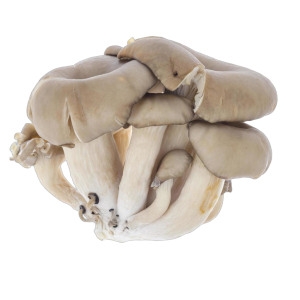
Frost Tunnel Mycelium
Used once — low saturation
Crested Porcupine
In 3% of lineages — selected by weighted diversity