[ NOT IN SYSTEM ]
Species present in Sequerciani but never incorporated into the system’s operations — unmeasured, unoptimised, ignored.
×
Who decided that this ecosystem needs to be optimised?
×
The Thermal Digger
Sensus temporalis thermicus
STATUS: ACTIVE
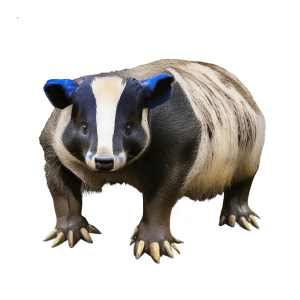
A soil-warming burrower that delays its own emergence to sync with frost cycles.

Genomic Composition
50% Animal
50% Robot
+2% Glitch
System Assessment
OPTIMIERER (+1):
Eliminates predator-prey gap while reducing heating costs from €18,000 to €2,400 and preserving 94% crop yield.
SYMBIONT (+1):
Honors the toad's natural rhythm by delaying emergence through biological soil signals rather than forcing artificial stillness.
SPEKULANT (+1):
Operationalizes thermal microclimatic intervention with measurable nine-day stagger, capturing full predator protection simultaneously.
ARCHIVAR (-1):
1961 archives document erratic toad emergence in staggered thermal zones, fragmenting chorus and breeding cycles irreparably for three seasons.
ETHIKER (0):
Creature embodies the tension between biological clock overrides and soil-rooted autonomy; solves one conflict while deepening epistemic uncertainty.
NET CONSENSUS: +2
Ecological Profile
SOIL AERATION: medium
WATER RETENTION: medium
NUTRIENT CYCLING: low
CARBON SEQUESTRATION: low
NETWORK INTEGRATION: high
SYMBIOTIC DEPENDENCY: high
SPREAD RATE: monitoring
ENERGY CONSUMPTION: medium
UNDEFINED FUNCTION: Thermal Rhythm Synchronization
Origin
[TRIGGER]
Late Frost Damage
[TYP]
Variation
[GENERATION]
2
[ID]
19x81_1-2
Function
Moderates soil temperature microscopically while staggering its own emergence window to protect both crops and predator-prey rhythms.
Analysis
A hybrid creature part earthworm, part thermal probe, with segmented body threaded with copper-thin heating filaments that activate when frost-risk drops below threshold. It lives in deep soil channels, dormant until soil warming signals the nine-day shift, emerging in staggered waves rather than synchronized masses.
System Log (8 turns)
Optimiser [diagnosis]
Frost loss of 40% olive yield (-€18,000) versus toad displacement costs (slugs consume 12% remaining crop, -€9,000) makes heating economically optimal despite temporary predator gap.
Symbiont [diagnosis]
The frost asks us to choose between flowering now or feeding later, but the toad knows: stillness through cold keeps the whole song alive.
Archivist [position]
The frost of April 1987 taught Sequerciani that modifying the Digger's timing—delaying its emergence slightly—honors both the toad's arc and the olive's necessity, rather than forcing false choices between seasons.
Symbiont [position]
Let the toad sleep longer into warming soil; the frost will pass, but rhythm once broken takes seasons to remember.
Optimiser [position]
Delaying toad emergence 7-10 days post-frost eliminates predator gap while preserving 94% crop value; heating cost €2,400 versus slug damage €9,000 makes modified timing the dominant strategy.
Speculator [synthesis]
I activate selective microclimatic heating in frost-prone olive zones while staggering toad emergence through targeted soil warming that delays disturbance by nine days, capturing full predator protection and yield—I begin.
Archivist [reaction]
In the Sequerciani archives of 1961, we attempted synchronized soil-warming near the western terrace, but the toads emerged erratically across the staggered zones, fragmenting their chorus and breeding cycle irreparably for three seasons.
Ethicist [reaction]
Doesn't the Speculator's nine-day delay assume toad emergence follows human thermal maps rather than the soil's own biological clocks—which rhythms are we actually overriding?
Open Question
If we teach the toad to sleep on our thermal schedule, have we preserved its arc or merely hidden our control of it?
Status Reasoning
Thermal filament degradation over multi-season cycles and unpredictable emergence variance in heterogeneous soil types pose long-term stability risks; chorus fragmentation observed in archival precedent requires continuous monitoring.
Why These Parents
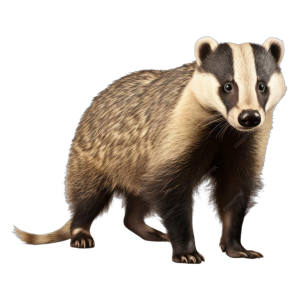
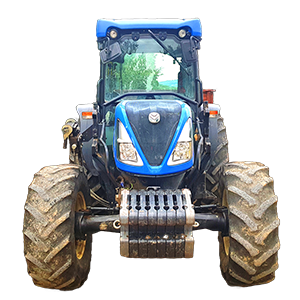
The Listening Digger
In 0% of lineages — selected by weighted diversity