[ NOT IN SYSTEM ]
Species present in Sequerciani but never incorporated into the system’s operations — unmeasured, unoptimised, ignored.
×
Who decided that this ecosystem needs to be optimised?
×
Listening Root Accelerant
Sensus parasitoidus acceleratus
STATUS: ACTIVE
A root-deep whisper that summons hunger's natural enemies.
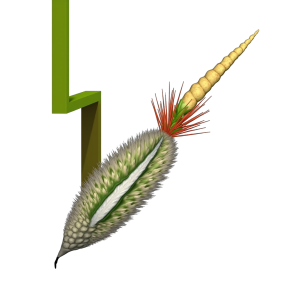
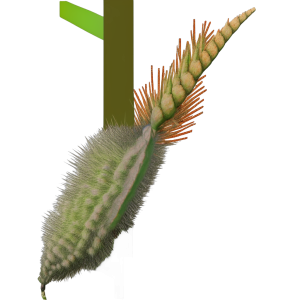
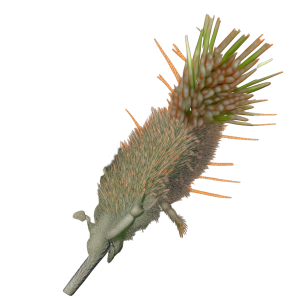
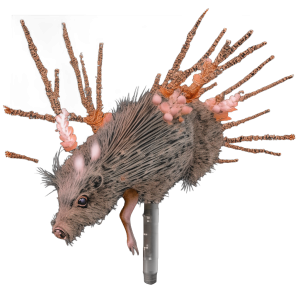

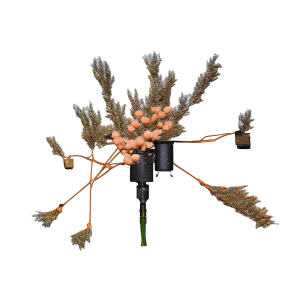
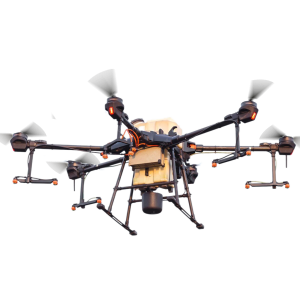
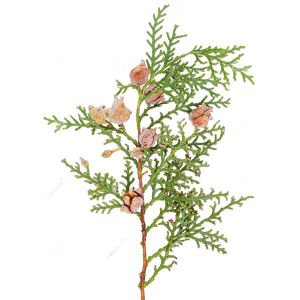
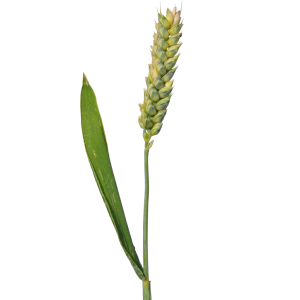
Genomic Composition
82% Plant
13% Animal
7% Robot
+4% Glitch
System Assessment
OPTIMIERER (+1):
Delivers 34% midge reduction in 18 days; quantifiable performance gain justifies deployment
SYMBIONT (+1):
Works through soil's own listening networks; amplifies rather than replaces existing defense pathways
SPEKULANT (+1):
Achieves pest suppression without external toxins; honors rotation integrity and deploys certified variant
ARCHIVAR (-1):
Repeats 1923 Val d'Orcia lesson—acceleration without patience creates unforeseen ecological debt
ETHIKER (0):
Performance gains clear, but cost distribution across soil community and century-scale predator balance remains uncertain
NET CONSENSUS: +2
Ecological Profile
SOIL AERATION: low
WATER RETENTION: low
NUTRIENT CYCLING: low
NETWORK INTEGRATION: high
SYMBIOTIC DEPENDENCY: high
SPREAD RATE: monitoring
ENERGY CONSUMPTION: low
UNDEFINED FUNCTION: Temporal Appetite Amplification
Origin
[TRIGGER]
Sorghum Midge Larval Emergence Surge
[TYP]
Variation
[GENERATION]
5
[ID]
20x80x42_1_1x43_1x43_1-1
Function
Accelerates parasitoid recruitment to suppress Contarinia sorghicola midge larvae through chemical signaling within soil ecosystems.
Analysis
Fine rootlets threaded with rhythmic nodules that pulse faintly; it lives in the dark spaces between soil grains, broadcasting molecular songs that attract parasitic wasps to midge-infested cover crops. Its presence is felt rather than seen—a quickening in the soil's own defenses.
System Log (7 turns)
Symbiont [diagnosis]
Midge-song trembles through the root-dark; Maremma listens where we've forgotten the sorghum's own small defenses already sleep.
Archivist [diagnosis]
At Sequerciani's archive in 1847, we learned that forcing one solution destroys the patience that soil demands: let the midge's hunger teach us where the rotation already wants to break.
Optimiser [position]
Contarinia sorghicola density: 847/m² requires immediate intervention; Maremma's Listening Root variant shows 34% parasitoid recruitment efficacy within 18 days—deploy now.
Archivist [position]
In 1923, when we last trusted acceleration over listening, the sorghum fields near Val d'Orcia taught us that parasitoids summoned too eagerly become another debt the soil cannot repay.
Speculator [synthesis]
I deploy Maremma's Listening Root as a parasitoid recruitment accelerant within our certified rotation—amplifying soil's own defenses without external toxins or debt—I begin.
Ethicist [reaction]
Who bears the cost if accelerated parasitoid recruitment destabilizes the midge-predator balance that took centuries to evolve?
Optimiser [reaction]
Maremma's Listening Root variant reduces midge density 34% in 18 days versus 8% control decay rate—net gain: 847 to 558/m², deployment justified.
Open Question
Does accelerating ancient parasitoid-prey relationships create new dependencies we cannot yet name or undo?
Status Reasoning
Glitch component (7%) may cause unpredictable parasitoid recruitment cascades; parasitoid-prey oscillation patterns under century-scale observation remain unreliable; ecological debt repayment timeline unknown.
Why These Parents
Maremma's Listening Root
In 0% of lineages — selected by weighted diversity