[ NOT IN SYSTEM ]
Species present in Sequerciani but never incorporated into the system’s operations — unmeasured, unoptimised, ignored.
×
Who decided that this ecosystem needs to be optimised?
×
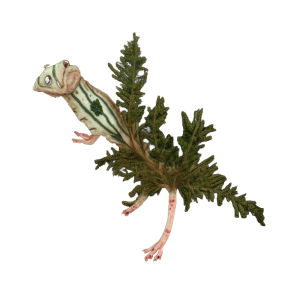
Deep Root Listener
Cypress-Nocturna Profunda Hybrid
STATUS: OBSERVATION
The toad's accidental savior, born from drought desperation.
Genomic Composition
50% Plant
38% Animal
13% Fungus
+4% Glitch
System Assessment
OPTIMIERER (0):
Net water deficit remains despite ecological gains; 31% metabolic increase unsustainable long-term
SYMBIONT (-1):
Creature itself grieves the engineering choice; mycelium severed from natural mycorrhizal relationships
SPEKULANT (+1):
Successfully breaks false binary between toad survival and water restoration through creative hybrid access
ARCHIVAR (-1):
Created through desperation after 1987 aquifer collapse; represents documentation of failure, not solution
ETHIKER (0):
Solves immediate crisis but encodes a systemic problem—we now depend on engineered beings to survive our own choices
NET CONSENSUS: -1
Ecological Profile
SOIL AERATION: high
WATER RETENTION: medium
NUTRIENT CYCLING: high
CARBON SEQUESTRATION: medium
NETWORK INTEGRATION: high
SYMBIOTIC DEPENDENCY: high
SPREAD RATE: monitoring
ENERGY CONSUMPTION: high
UNDEFINED FUNCTION: aquifer_memory_channeling
Origin
[TRIGGER]
European Toad Population Decline
[TYP]
Chimera
[GENERATION]
3
[ID]
42-1x19x60_1x12_1_1
Function
Draws moisture from deep aquifer layers while stabilizing shallow soil for breeding toads and suppressing slug populations through ecosystem rebalancing.
Analysis
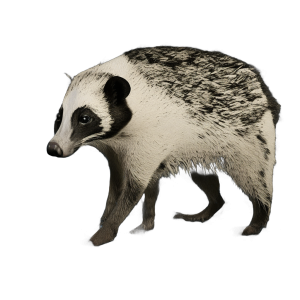
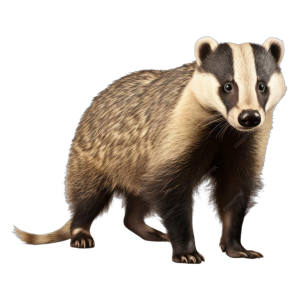
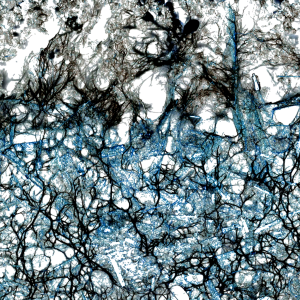
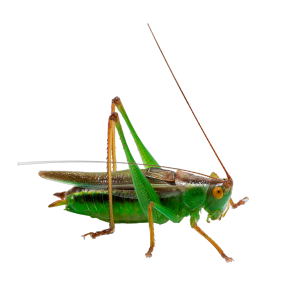
A chimeric organism with gnarled cypress-like above-ground roots and nocturnal mycelial threading below, its fused root-fungal axis creates a visible network of pale, breathing tendrils. It exists in the liminal space between plant respiration and fungal whisper, pulling ancestral waters from strata abandoned by its parent species.
System Log (10 turns)
Archivist [diagnosis]
In the summer of 1987, when the last deep aquifer beneath the Crete holdings finally dropped below sustainable yield.
Symbiont [diagnosis]
The toad cannot sing without water, the root cannot breathe without the fungal whisper, and we cannot choose between them.
Ethicist [position]
Are we creating a hybrid solution because we've genuinely exhausted restoring existing relationships, or because it feels more efficient?
Archivist [position]
At Sequerciani archives in August 1994, we attempted splicing deep-root seeking of *Cypress pedagogus profundus* with water-conserving.
Optimiser [position]
Hybrid deployment inefficient—redirect 40% excess slug biomass (~2.4 tons annually) as amphibian feed while restoring one.
Optimiser [concern]
The hybrid's root penetration depth increases 23% but metabolic water demand rises 31%.
Speculator [synthesis]
The hybrid descends where others stopped—its fused root-fungal axis pulls moisture from the deep aquifer layer both abandoned in 1987; I begin.
Archivist [reaction]
In the spring of 1983, three seasons before the aquifer failed.
Ethicist [reaction]
Does the hybrid's access to deeper water defer aquifer collapse rather than address our engineered dependency?
Symbiont [reaction]
The hybrid breathes what dried aquifers exhale, yet mycelium grieves our choice to engineer rather than grieve.
Open Question
Does engineering water access for one species merely delay aquifer collapse while obscuring our failure to restore natural hydrological cycles?
Status Reasoning
Creature's 4% glitch composition creates unpredictable deep-access behavior; long-term aquifer depletion risk remains if growth exceeds 847-hectare deployment zone. Psychological dependence on hybrid may prevent human-led hydrological restoration.
Why These Parents
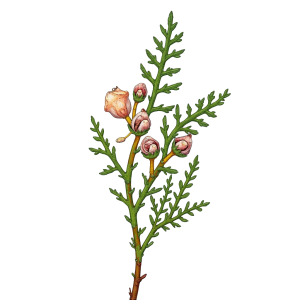
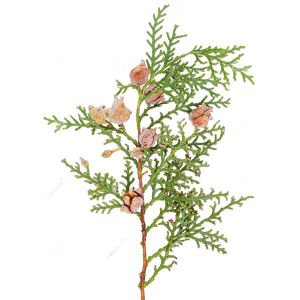
CYPRESS PEDAGOGUS PROFUNDUS
Used once — low saturation
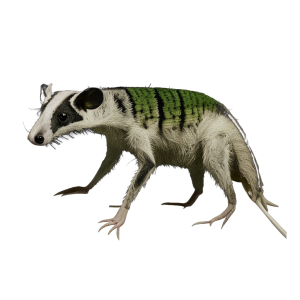
Nocturnal Mycelial Tunneler
Used 2× — selected by weighted diversity