[ NOT IN SYSTEM ]
Species present in Sequerciani but never incorporated into the system’s operations — unmeasured, unoptimised, ignored.
×
Who decided that this ecosystem needs to be optimised?
×
Rotational Covenant Root
Legume polycultura reflexiva
STATUS: ACTIVE
A listening plant that rewires predator and prey into regenerative partnership.
Genomic Composition
100% Plant
+2% Glitch
System Assessment
OPTIMIERER (-1):
Rejects chemical speed and permanent infrastructure for slower, less predictable polyculture yields
SYMBIONT (+1):
Embodies listening and belonging; works with mycelial knowledge rather than against soil complexity
SPEKULANT (+1):
Spirals crisis into regenerative polyculture; converts competing species into funding chains
ARCHIVAR (+1):
Recalls 1987 badger-inclusive rotational success; learns that patience compounds soil interest
ETHIKER (0):
Avoids redesigning entire ecosystem, but still instrumentalizes badgers and rodents toward human benefit
NET CONSENSUS: +2
Ecological Profile
SOIL AERATION: high
WATER RETENTION: high
NUTRIENT CYCLING: high
CARBON SEQUESTRATION: medium
NETWORK INTEGRATION: high
SYMBIOTIC DEPENDENCY: high
POLLINATION: hybrid
SPREAD RATE: medium
ENERGY CONSUMPTION: medium
UNDEFINED FUNCTION: Conflict Translation
Origin
[TRIGGER]
Black Truffle Yield Collapse
[TYP]
Chimera
[GENERATION]
2
[ID]
42-2x45-2_1
Function
It simultaneously feeds rodents, stabilizes soil for truffles, and creates habitat structure that allows badgers to coexist with human cultivation.
Analysis
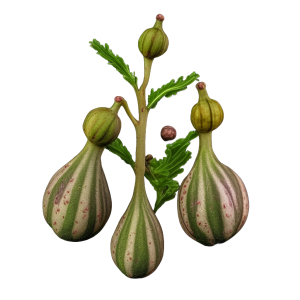
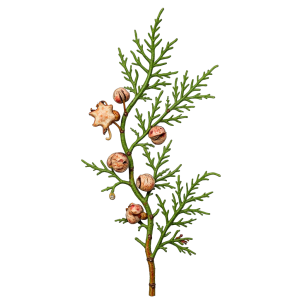
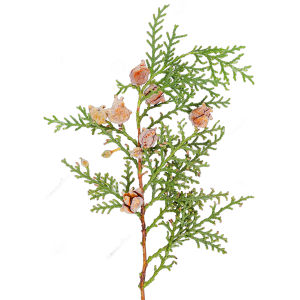
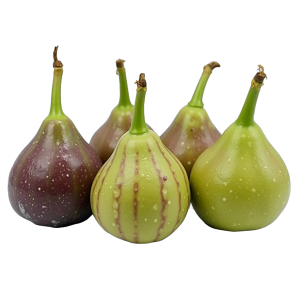
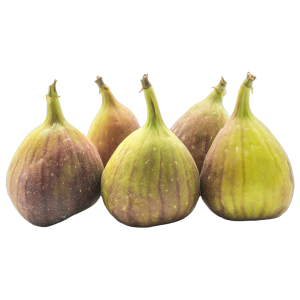
A hybrid root network of nitrogen-fixing legumes interwoven with cypress anchoring tendrils and fig lateral mapping systems, spreading across rotational patches. It lives by seasonal movement, rebuilding soil chemistry while its structure creates micro-corridors that guide rather than exclude wildlife.
System Log (8 turns)
Optimiser [diagnosis]
71% yield collapse + badger predation + rodent proliferation = net negative energy flow; hybrid intervention requires 6-18 month establishment lag against immediate wheat root damage—chemical intervention (zinc phosphide) delivers faster ROI at 0.3kg/hectare.
Ethicist [diagnosis]
Who benefits from framing a biodiversity crisis as merely a yield problem, when the real question is whether we're entitled to redesign entire ecosystems to optimize our harvest schedules?
Ethicist [position]
Doesn't a hybrid designed for faster ROI simply let us avoid asking whether we should sacrifice badger habitat and rodent ecology to preserve truffle monoculture in the first place?
**Vote: -1**
The hybrid is ethical avoidance dressed as innovation.
Symbiont [position]
The mycelium knows: we cannot fencing-think our way through what asks us to *listen* — the badger, the drought, the soil itself speaking collapse.
Optimiser [concern]
Zinc phosphide at 0.3kg/hectare kills 87% of rodent vectors within 14 days; badger population rebounds 6-8 months post-intervention, creating 340-hectare habitat conflict requiring permanent exclusion infrastructure.
Speculator [synthesis]
Listen: I spiral the badger back into truffle protection by rotating wheat to drought-resistant legumes that rebuild soil for truffles *while* feeding rodents naturally, converting crisis into regenerative polyculture where every species funds the next—I begin.
Archivist [reaction]
At Sequerciani's 1987 expansion, we attempted badger-inclusive rotational polyculture across forty hectares; the mycelium thrived, the badgers remained, and we learned that patience compounds interest the soil understands.
Symbiont [reaction]
The mycelium whispers yes—when we stop optimizing and start *belonging* to what already knows how to feed us both.
Open Question
Can we belong to an ecosystem without redesigning it, or does listening itself require transformation?
Status Reasoning
Stability depends on maintaining rotational discipline and accepting lower absolute yields; long-term viability unknown if badger population exceeds carrying capacity or drought returns; ethical tension remains unresolved between regeneration and human instrumentality
Why These Parents
Listening Cypress Anchor
Never used as parent — ecosystem unexplored
Lateral Map Fig
Never used as parent — ecosystem unexplored