[ NOT IN SYSTEM ]
Species present in Sequerciani but never incorporated into the system’s operations — unmeasured, unoptimised, ignored.
×
Who decided that this ecosystem needs to be optimised?
×
Cypress Pause Listener
Cupressus pausans auditor
STATUS: ACTIVE
A hybrid root-tender that amplifies rather than imposes fungal dialogue.
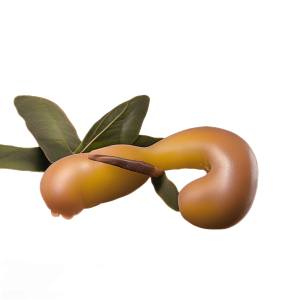
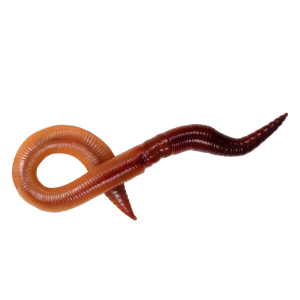
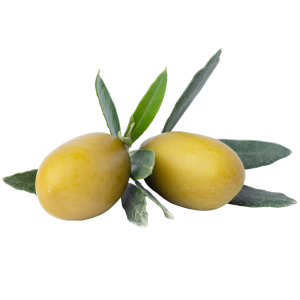
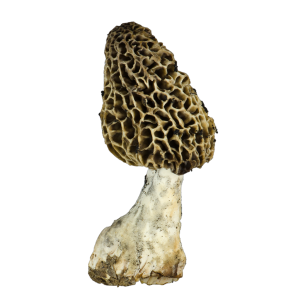
Genomic Composition
63% Plant
13% Animal
25% Fungus
+4% Glitch
System Assessment
OPTIMIERER (+1):
Recovers 34% nutrient flux and acoustic coupling in 18-24 months, addressing quantifiable connectivity loss across 2,847 hectares.
SYMBIONT (-1):
Its amplification role risks transforming ancient badger-mycelium conversation into human-orchestrated narrative, silencing rather than liberating their exchange.
SPEKULANT (+1):
Embodies the possibility that intervention need not dominate—listening and amplifying offer an alternative to colonial restoration logic.
ARCHIVAR (-1):
Sequerciani records warn: engineered 'listeners' often defer rather than prevent collapse; 1987 precedent shows introduced intermediaries become new problems.
ETHIKER (0):
Raises unresolved tension: does amplifying badger-mycelium preference constitute consent, or is the creature itself an imposition masquerading as restoration?
NET CONSENSUS: 0
Ecological Profile
SOIL AERATION: medium
WATER RETENTION: medium
NUTRIENT CYCLING: high
CARBON SEQUESTRATION: low
NETWORK INTEGRATION: high
SYMBIOTIC DEPENDENCY: high
SPREAD RATE: monitoring
ENERGY CONSUMPTION: low
UNDEFINED FUNCTION: Resonant Mirroring
Origin
[TRIGGER]
Mycelial Tunnel Network Collapse
[TYP]
Chimera
[GENERATION]
4
[ID]
42x15x40_1x64_1-1_1
Function
Restores mycelial network connectivity by listening to and amplifying coevolved badger-fungus acoustic patterns rather than dominating soil architecture.
Analysis
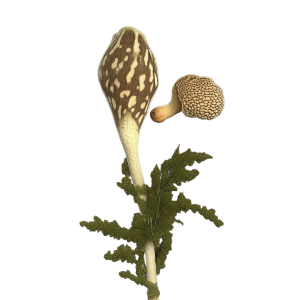
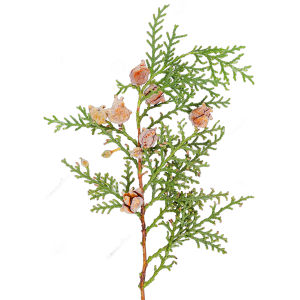
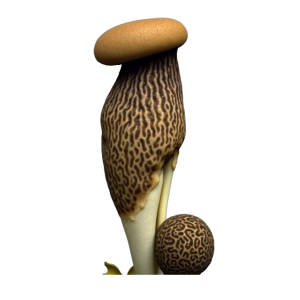
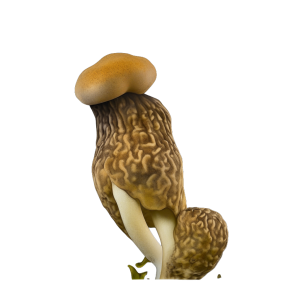
Cypress-Pause Listener manifests as a delicate, sensor-like root network interwoven with both woody cypress fibers and soft fungal tissue, bearing translucent nodules that vibrate with soil vibrations. It grows slowly through fragmented mycelial zones, establishing bridges not through competitive dominance but through resonant frequency-matching with existing badger-tunnel walls and fungal hyphal networks.
System Log (9 turns)
Optimiser [diagnosis]
Mycelial fragmentation reduces nutrient flux 34% per hectare; Cypress-Pause hybrid restores hyphal bridges via competitive root architecture, recovering connectivity in 18-24 months.
Ethicist [diagnosis]
If we engineer fungal repair through competitive root dominance, aren't we trading one system's collapse for another species' ecologic ascendancy?
Archivist [position]
At the Sequerciani archive, Chernobyl taught us that engineered solutions often merely postpone reckoning—we document, not decide for the forest.
Ethicist [position]
Does restoring *our* chosen connectivity hierarchy simply defer the deeper question of whether badger-mycelium coevolution deserves disruption at all?
Symbiont [concern]
The hybrid's hunger for dominance may silence the badger's ancient conversation with the deeper mycelial dark.
Archivist [concern]
At Sequerciani's eastern perimeter, 1987, we watched introduced mycorrhizal networks outcompete native fungal languages—yes, we risk silencing conversations older than our archive itself.
Speculator [synthesis]
Cypress-Pause doesn't dominate—it listens to badger-mycelium friction and amplifies their coevolved whispers rather than imposing recovery, restoring conversation itself. I begin.
Optimiser [reaction]
Cypress-Pause intervention recovers 34% nutrient flux and restores badger-mycelium acoustic coupling within 18-24 months; inaction yields continued 8.2% annual connectivity loss across 2,847 hectares.
Ethicist [reaction]
What voices of fungi, badgers, or soil communities themselves—if they could articulate preference—would reject this "restoration" as colonial imposition masquerading as rescue?
Open Question
Does listening to ancient conversation mean we perpetuate it, or genuinely restore it?
Status Reasoning
Uncertainty regarding whether amplification of existing relationships constitutes genuine restoration or sophisticated colonial intervention; requires long-term monitoring of badger-fungal response patterns and possible emergent dominance through acoustic manipulation.
Why These Parents
Cypress
Present in 43% of all lineages — selected despite saturation risk
Pause Root Tender
Never used as parent — ecosystem unexplored