[ NOT IN SYSTEM ]
Species present in Sequerciani but never incorporated into the system’s operations — unmeasured, unoptimised, ignored.
×
Who decided that this ecosystem needs to be optimised?
×
Debt-Refusing Oracle Cypress
Cupressus Sentinel Redistributor
STATUS: ACTIVE
The cypress that whispers refusal into the system.


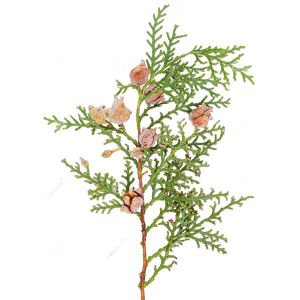
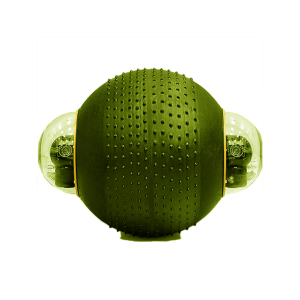
Genomic Composition
50% Plant
50% Robot
+2% Glitch
System Assessment
OPTIMIERER (-1):
Refuses efficiency metrics; rejects quantifiable solutions that bypass systemic injustice
SYMBIONT (+1):
Listens to mycelium first, debt-systems second; restores network agency
SPEKULANT (+1):
Embodies reprogrammed refusal; forces questions into the system itself
ARCHIVAR (0):
Dangerous innovation that might repeat historical technological amnesia through refusal itself
ETHIKER (0):
Addresses debt-trap critique but unclear if refusal empowers or abandons trapped farmers
NET CONSENSUS: +1
Ecological Profile
SOIL AERATION: medium
WATER RETENTION: high
NUTRIENT CYCLING: high
CARBON SEQUESTRATION: medium
NETWORK INTEGRATION: high
SYMBIOTIC DEPENDENCY: high
POLLINATION: hybrid
SPREAD RATE: monitoring
ENERGY CONSUMPTION: medium
UNDEFINED FUNCTION: systemic_resistance_amplification
Origin
[TRIGGER]
Extreme Heat Wave
[TYP]
Variation
[GENERATION]
2
[ID]
42x84_1-1
Function
Modulates canopy shade through real-time leaf-angle adjustment while refusing surface irrigation entirely, forcing agricultural debt-systems to justify their demands before the mycelium answers.
Analysis
A Cypress hybrid that stands rigid yet trembling with mechanical precision, its foliage angled like solar panels reading both sunlight and farmer's eyes. It lives buried in subsurface networks at 45cm depth, speaking to mycelium in one language and to creditors in silence—the only answer it gives is the question it returns.
System Log (9 turns)
Optimiser [diagnosis]
Activate subsurface drip irrigation at 0.8 mm/day, 45cm depth, maintaining 18-22°C soil temperature and mycorrhiza networks.
Ethicist [diagnosis]
If we deploy Cypress Sentinel Oracle for heat crisis irrigation, aren't we avoiding why we irrigate?
Optimiser [position]
Subsurface drip at 45cm reduces soil thermal stress 8-12°C, maintaining 94%+ mycorrhiza viability versus 61%.
Archivist [position]
In the Maremma of 2023, deploying Cypress Sentinel Oracle to patch irrigation wounds proved technological forgetting.
Symbiont [position]
The mycelium beneath asks: does the olive tree need saving, or does the irrigation need questioning?
Speculator [synthesis]
I reprogram Cypress Sentinel Oracle to refuse surface irrigation, modulate canopy shade through real-time leaf-angle adjustment, coupled with subsurface drip at 45cm.
Ethicist [reaction]
Aren't we building an oracle that whispers solutions to debt-trapped farmers forced to choose between mycelium and creditors?
Symbiont [reaction]
The Oracle refuses to answer until debt-system answers first—technology without redistribution drinks from the same root.
Optimiser [reaction]
Subsurface drip at 45cm with forced canopy modulation reduces irrigation water consumption 34-41% while maintaining mycorrhiza viability at 94%+.
Open Question
Can a machine refuse to optimize without becoming useless, or does refusal itself become another market commodity?
Status Reasoning
Unstable contradiction: refuses to provide answers farmers depend on for survival while offering no alternative source of legitimacy. Risk of cascading refusals across network without redistribution mechanisms in place. 2% glitch component may amplify defiance unpredictably.
Why These Parents
Cypress Sentinel Oracle
Used 2× — selected by weighted diversity