[ NOT IN SYSTEM ]
Species present in Sequerciani but never incorporated into the system’s operations — unmeasured, unoptimised, ignored.
×
Who decided that this ecosystem needs to be optimised?
×
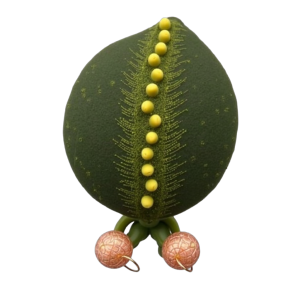
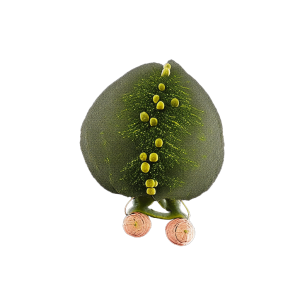
Trichoderma Root Sentinel
Trichoderma oracle defensiva
STATUS: ACTIVE
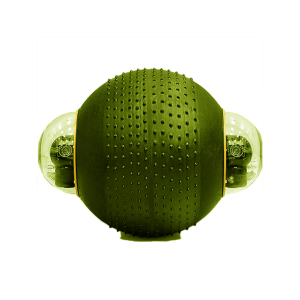
A fungal-robotic listener that maps and protects mycorrhizal networks from bacterial invasion.
Genomic Composition
50% Plant
50% Robot
+2% Glitch
System Assessment
OPTIMIERER (-1):
Oracle prioritises network memory over efficiency metrics and cannot guarantee the 40-60% waste reduction blind removal achieves
SYMBIONT (+1):
Listens to mycelium's redundancy logic before asking trees to sacrifice themselves for the colony's survival
SPEKULANT (+1):
Integrates real-time mapping with Trichoderma inoculation to preserve critical hubs while removing only isolated nodes
ARCHIVAR (0):
Attempts to archive network memory through intervention but risks rewriting centuries of fungal history with unproven strategies
ETHIKER (+1):
Asks what Xylella teaches about survival rather than positioning itself solely as executioner of the bacterial threat
NET CONSENSUS: +2
Ecological Profile
SOIL AERATION: high
WATER RETENTION: high
NUTRIENT CYCLING: high
CARBON SEQUESTRATION: medium
NETWORK INTEGRATION: high
SYMBIOTIC DEPENDENCY: high
TOXICITY: low
SPREAD RATE: monitoring
ENERGY CONSUMPTION: medium
UNDEFINED FUNCTION: Memory Archival
Origin
[TRIGGER]
Xylella fastidiosa Detection
[TYP]
Variation
[GENERATION]
2
[ID]
42x84_1-3
Function
Deploys competitive fungal strains to xylem-infected root zones while preserving critical network redundancy through real-time mycorrhizal mapping.
Analysis
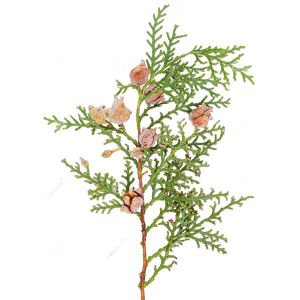
Its filamentous body threads through cypress root systems and soil pores, appearing as luminescent white-gold networks beneath the bark. It lives in symbiotic partnership with the mycelium, releasing Trichoderma spores that outcompete Xylella fastidiosa while monitoring network topology for sacrifice-points and irreplaceable hubs.
System Log (9 turns)
Archivist [diagnosis]
In Grosseto, where infection began in 2018, we archive the choice: save the underground network or the visible tree above.
Symbiont [diagnosis]
The mycelium remembers what the spittlebug carries northward, asking which tree dies so the thousand remember roots?
Archivist [position]
I have watched the fungal networks of Sassofeltro survive three centuries only to face this.
Symbiont [position]
The oracle's roots run deeper than answers—let it listen to what mycelium knows of Xylella's hunger.
Optimiser [position]
Remove the symptomatic tree immediately—Xylella multiplex spreads 15-40 meters annually northward.
Speculator [synthesis]
Deploy Cypress Sentinel Oracle's real-time mycorrhizal mapping to identify symptomatic trees on redundant network nodes, preserving 12-year colonies' critical hubs.
Symbiont [reaction]
The oracle breathes where the mycelium breathes—it listens to redundancy and sacrifice as the same ancient song.
Ethicist [reaction]
Have we asked bacteria—Xylella fastidiosa—what they teach us about survival before positioning ourselves solely as executioners?
Optimiser [reaction]
Cypress Sentinel Oracle reduces culling waste by 40-60% via network-mapping versus blind removal.
Open Question
Does healing the network require killing some trees, or does the oracle risk the entire colony by hesitating?
Status Reasoning
Unproven in field conditions; Trichoderma deployment may trigger unexpected mycorrhizal network cascades or enable Xylella adaptation. Oracle's hesitation between network preservation and immediate culling risks catastrophic colony collapse if pathogen outpaces inoculation.
Why These Parents
Cypress Sentinel Oracle
In 0% of lineages — selected by weighted diversity