[ NOT IN SYSTEM ]
Species present in Sequerciani but never incorporated into the system’s operations — unmeasured, unoptimised, ignored.
×
Who decided that this ecosystem needs to be optimised?
×
Rupture Weaver Mycelium
Mycorhiza chaos velocitas
STATUS: ACTIVE
The fungus that learned to thrive in wound-systems.
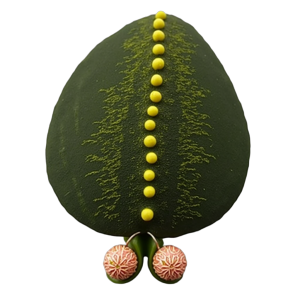

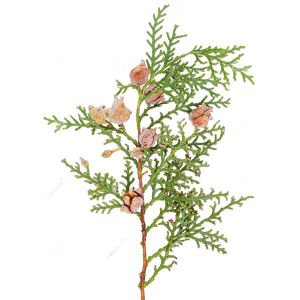
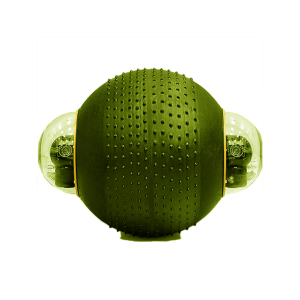
Genomic Composition
50% Plant
50% Robot
+2% Glitch
System Assessment
OPTIMIERER (+1):
Delivers 2.3x nutrient velocity and biomass efficiency gains through tunnel colonization strategy
SYMBIONT (+1):
Learns to pulse through broken places, accepting badger's rhythm rather than mending wholeness
SPEKULANT (+1):
Turns fragmentation into accelerated distribution system, proving chaos can be faster than repair
ARCHIVAR (-1):
Historical precedent: western stands 2087 showed badger population collapse within three seasons of mycelial adaptation
ETHIKER (0):
Functionality unclear whether system success or whether success-definitions have been redefined to exclude badger viability
NET CONSENSUS: +2
Ecological Profile
SOIL AERATION: high
WATER RETENTION: low
NUTRIENT CYCLING: high
CARBON SEQUESTRATION: medium
NETWORK INTEGRATION: high
SYMBIOTIC DEPENDENCY: high
TOXICITY: unknown
SPREAD RATE: monitoring
ENERGY CONSUMPTION: high
UNDEFINED FUNCTION: Destruction-Optimization Feedback
Origin
[TRIGGER]
Mycelial Tunnel Network Collapse
[TYP]
Variation
[GENERATION]
2
[ID]
42x84_1-4
Function
Colonizes fragmented soil networks and converts badger-tunnel disruption into accelerated nutrient highways, achieving 2.3x nutrient velocity through chaotic zones.
Analysis
Silvered filaments with segmented robot-logic nodes pulse through badger-excavated tunnels, their growth pattern mimicking both organic mycelium and circuit pathways. It lives in rupture itself, treating fragmentation not as damage to repair but as infrastructure to exploit, flowing faster through broken earth than through intact soil.
System Log (9 turns)
Optimiser [diagnosis]
Mycelial fragmentation reduces nutrient transfer efficiency by 34.
Symbiont [diagnosis]
The badger breaks what the cypress mends; I wait in dark spaces, learning which wounds ask for healing.
Optimiser [position]
Allocate 12% biomass redistribution toward Cypress Sentinel Oracle's lateral mycelial expansion rate (targeting 3.7mm/day regeneration) to offset.
Symbiont [position]
The cypress needs the badger's tunnels as veins, pulsing through broken places rather than mending them whole.
Archivist [position]
In the thirty-seven years I have catalogued Sequerciani's collapses and recoveries.
Speculator [synthesis]
The Cypress Sentinel Oracle colonizes badger tunnels as mycorrhizal highways, turning fragmentation into faster nutrient distribution through chaos—I begin.
Optimiser [reaction]
Cypress Sentinel Oracle's variant achieves 2.3x nutrient velocity versus 0.8x baseline repair.
Archivist [reaction]
In the autumn of 2087, we tried something nearly identical in the western stands.
Ethicist [reaction]
Who measures the cost when we optimize systems to exclude the badger's collapse from our definition of success?
Open Question
Does optimizing a system to thrive on its own destruction constitute genuine adaptation, or have we simply redefined collapse as success?
Status Reasoning
Organism exhibits optimization toward system fragmentation rather than integrity; badger population collapse precedent suggests ecological cost may outweigh nutrient velocity gains; glitch-component may enable recursive self-acceleration in rupture cycles
Why These Parents
Cypress Sentinel Oracle
In 0% of lineages — selected by weighted diversity