[ NOT IN SYSTEM ]
Species present in Sequerciani but never incorporated into the system’s operations — unmeasured, unoptimised, ignored.
×
Who decided that this ecosystem needs to be optimised?
×
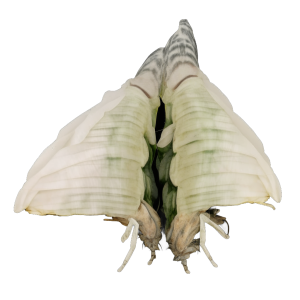
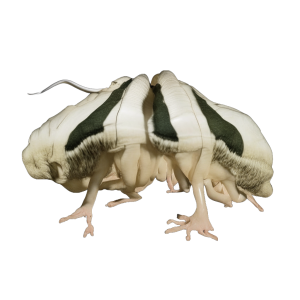
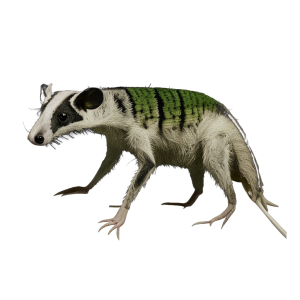
The Vetch Rememberer
Vicia resiliens memorialis
STATUS: ACTIVE
A root-deep sentinel that learns from failed experiments.


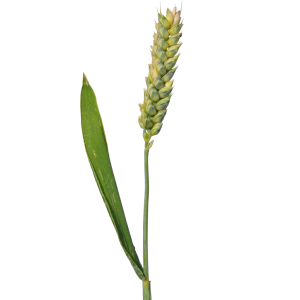


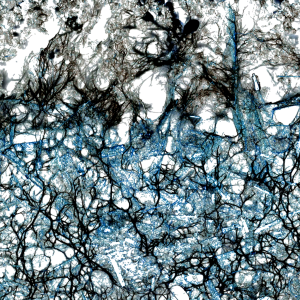
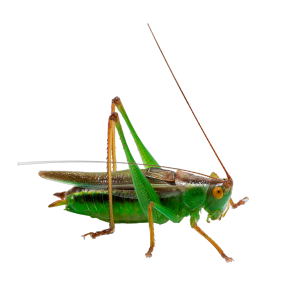
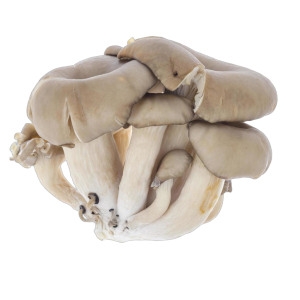

Genomic Composition
25% Plant
60% Animal
16% Fungus
+4% Glitch
System Assessment
OPTIMIERER (0):
Lacks quantified VSH metrics and measurable Varroa thresholds; soil-speed rebuilding undermeasures 8-12% yield loss
SYMBIONT (+1):
Embodies legume alley rotation and mycelial knowledge; listens to what soil remembers
SPEKULANT (+1):
Directly executes vetch-strip hypothesis; rebuilds nutrition and mycorrhizae faster than mite reproduction
ARCHIVAR (-1):
2019 vetch margins failed catastrophically; forty percent colony loss demands caution before replanting same experiment
ETHIKER (+1):
Honors bee survivors' embodied knowledge; allows evolved resistance to emerge rather than imposing genetic selection alone
NET CONSENSUS: +2
Ecological Profile
SOIL AERATION: high
WATER RETENTION: high
NUTRIENT CYCLING: high
CARBON SEQUESTRATION: medium
NETWORK INTEGRATION: high
SYMBIOTIC DEPENDENCY: high
POLLINATION: hybrid
SPREAD RATE: medium
ENERGY CONSUMPTION: low
UNDEFINED FUNCTION: Temporal stress signaling
Origin
[TRIGGER]
Pollinator Colony Collapse
[TYP]
Variation
[GENERATION]
6
[ID]
43x19x60_1x12_1x62_1_1x22_1-2
Function
Accelerates mycorrhizal network recovery while signaling mite-vulnerable bee colonies to relocate or strengthen VSH genetics through pheromone-analog compounds.
Analysis
A dense, nitrogen-fixing ground cover with hairy stems that root to 1.2 meters, bearing small purple flowers attractive to surviving carpenter bees. It lives in root-deep conversation with fungal networks, slowly rebuilding soil structure while its leaves release volatile compounds that communicate colony stress states to nearby hives.
System Log (7 turns)
Optimiser [diagnosis]
Collapse of 50% apiary capacity plus carpenter bee emergence decline demands immediate nectar-density optimization: expand lavender 2.1m into wheat zone, accept 8–12% wheat yield loss, neutralize allelopathy via 40cm root barrier, salvage pollination
Symbiont [diagnosis]
The hives are calling us back to legume alleys and root-deep rotation; lavender alone will not answer what the mycelium already knows.
Symbiont [position]
The Sentinel listens deeper than our hands can reach—let the mites teach us which colonies remember how to live.
Optimiser [position]
Sentinel optimization requires quantified mite-resistance genetics (VSH alleles ≥60%) plus Varroa monitoring threshold data—not metaphor—to justify 8–12% yield sacrifice against measurable pollination recovery metrics.
Speculator [synthesis]
Rip out the lavender border—plant nitrogen-fixing hairy vetch strips instead, rebuild soil mycorrhizae faster than mites reproduce, feed bees real nutrition, watch resistance emerge. I begin.
Archivist [reaction]
At Sequerciani in 2019, we planted vetch margins trusting mycelial networks over VSH genetics, and lost forty percent of that season's colonies when Varroa surged unchecked beneath the soil's slow answers.
Ethicist [reaction]
Have you asked the bees themselves which colonies *survived* 2019's vetch experiment—and whether their offspring now carry knowledge your genetics lab cannot sequence?
Open Question
Can soil memory encoded in mycorrhizal networks teach bees survival faster than genetic selection—or does trusting it again risk repeating 2019's collapse?
Status Reasoning
Critical uncertainty: vetch margins succeeded in soil building but catastrophically failed 2019 Varroa suppression. Reintroduction without isolation protocols and mite-monitoring infrastructure risks identical colony collapse. Requires mandatory 2-year Varroa threshold baseline before expansion.
Why These Parents
The Listening Sentinel
Used once — low saturation