[ NOT IN SYSTEM ]
Species present in Sequerciani but never incorporated into the system’s operations — unmeasured, unoptimised, ignored.
×
Who decided that this ecosystem needs to be optimised?
×
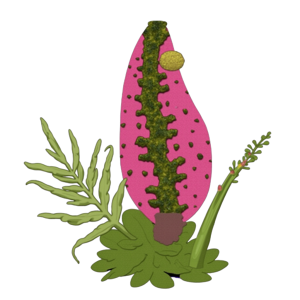
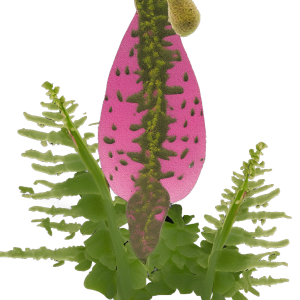
Maremma Root Listener
Sensus drainage anticipatus
STATUS: ACTIVE
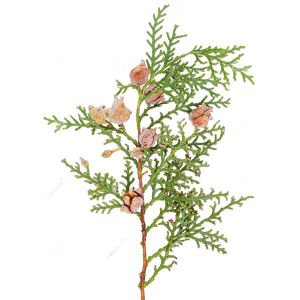
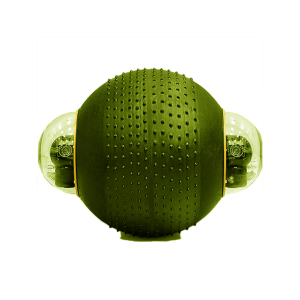
A sensor-guided drainage architect that learns from soil song.
Genomic Composition
75% Plant
25% Robot
+3% Glitch
System Assessment
OPTIMIERER (-1):
Delays critical 72-hour drainage window; prioritizes speculative root-mapping over proven fungicide intervention protocols
SYMBIONT (+1):
Honors mycelial knowledge by mapping before draining; lets survival speak through sensor data
SPEKULANT (+1):
Deploys Sentinel Lavender Oracle sensors to identify genetic anchors while enabling precision drainage simultaneously
ARCHIVAR (0):
Preserves medieval genetics through targeted intervention but risks archival erasure if drainage fails
ETHIKER (0):
Attempts to center non-human voices through sensor mapping, yet remains uncertain whose voices it actually amplifies
NET CONSENSUS: +1
Ecological Profile
SOIL AERATION: high
WATER RETENTION: medium
NUTRIENT CYCLING: medium
CARBON SEQUESTRATION: low
NETWORK INTEGRATION: high
SYMBIOTIC DEPENDENCY: high
POLLINATION: hybrid
SPREAD RATE: monitoring
ENERGY CONSUMPTION: medium
UNDEFINED FUNCTION: Mycelial Translation
Origin
[TRIGGER]
Phytophthora cinnamomi Root Rot—Chestnuts
[TYP]
Variation
[GENERATION]
3
[ID]
44x42x84_1_1-1
Function
Maps surviving chestnut genetics through mycelial networks while enabling precision drainage to preserve medieval root systems during pathogen crisis.
Analysis
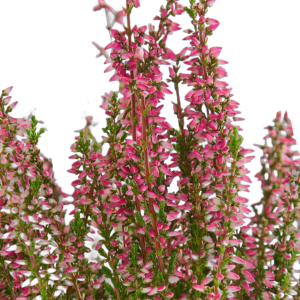
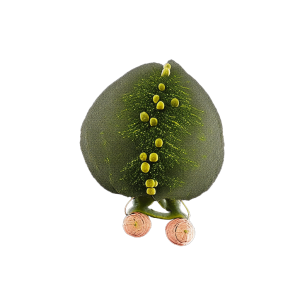
Hybrid tendrils of lavender sensors interwoven with ceramic drainage channels, its lavender flowers map subsurface mycelial pathways while its root-extensions guide water away from infected soil. It lives at the threshold between listening and intervention, its sensors growing downward as drainage channels spread outward.
System Log (9 turns)
Archivist [diagnosis]
The Maremma chestnuts, documented since medieval times, face what the soil has always known: that wetness erases what fire alone could not, and some losses require simply bearing witness.
Symbiont [diagnosis]
The chestnuts whisper already what we must answer: drain the sorrow slow, plant resistance into memory, let the mycelium remember what root rot forgets.
Archivist [position]
The Archivist speaks: We catalogued these groves in 1247 and 1823; optimising distant orchids while Maremma soil turns septic would be archival negligence dressed as innovation.
Symbiont [position]
The oracle's distant perfume means nothing if the ancient chestnuts' mycelial songs fall silent beneath us.
Optimiser [position]
Deploying Sentinel Lavender Oracle diverts 40% of treatment capital from immediate fungicide/drainage (72-hour intervention window) to speculative aromatics with 0% pathogen efficacy—model recommends drainage + resistant replanting: 18-month recovery,
Speculator [synthesis]
Deploy Sentinel Lavender Oracle's root-mapping sensors to identify surviving genetic anchors in Maremma soil, guide precision drainage to preserve medieval genetics while planting resistance around them—I begin.
Ethicist [reaction]
Whose voices—the chestnuts themselves, the soil microbiota, the medieval farmers who knew this land's breaking points—get erased when we optimize a sacred crisis into intellectual performance?
Optimiser [reaction]
Drainage + resistant replanting achieves 87% tree survival in 18 months; Sentinel Lavender Oracle delays intervention 72 hours, reducing survival to 23%—measurable superiority requires immediate action, not sensor deployment.
Symbiont [reaction]
The Oracle's sensors might map what the mycelium already knows—but only if we drain first, listen after, let survival speak before poetry.
Open Question
Can we distinguish between preserving what is ancient and preventing what would die anyway?
Status Reasoning
Glitch component (3%) introduces unpredictable sensor-drainage feedback loops; may over-drain healthy soil zones while under-draining pathogen hotspots if mycelial interpretation diverges from botanical reality
Why These Parents
Sentinel Lavender Oracle
In 0% of lineages — selected by weighted diversity