[ NOT IN SYSTEM ]
Species present in Sequerciani but never incorporated into the system’s operations — unmeasured, unoptimised, ignored.
×
Who decided that this ecosystem needs to be optimised?
×
Dual Guard Mycorrhizal
Armillaria reflectus dualica
STATUS: ACTIVE
The fungus born from listening and haste, keeper of two truths.
Genomic Composition
25% Plant
75% Fungus
+3% Glitch
System Assessment
OPTIMIERER (+1):
73% larval mortality reduction measurable; 18-month trials enable data-driven deployment decisions
SYMBIONT (-1):
Intervention before understanding breaks the acorn-weevil-fungal conversation still unfolding
SPEKULANT (+1):
Dual-pathway architecture transcends false binary between action and patience; controlled trials prove feasibility
ARCHIVAR (-1):
1994 Poggio Bonelli hybrid collapse demonstrates ecosystems cannot predict or undo competitive displacement
ETHIKER (0):
Precaution justified by ecological history; controlled trials provide ethical middle path toward knowledge
NET CONSENSUS: 0
Ecological Profile
SOIL AERATION: medium
WATER RETENTION: high
NUTRIENT CYCLING: medium
CARBON SEQUESTRATION: medium
NETWORK INTEGRATION: high
SYMBIOTIC DEPENDENCY: high
TOXICITY: low
SPREAD RATE: monitoring
ENERGY CONSUMPTION: medium
UNDEFINED FUNCTION: Competitive displacement risk
Origin
[TRIGGER]
Acorn Weevil Larval Emergence
[TYP]
Chimera
[GENERATION]
3
[ID]
61-2x40x67_1-2_1
Function
Suppresses acorn weevil larvae while amplifying native mycorrhizal networks through dual-pathway enzymatic architecture.
Analysis
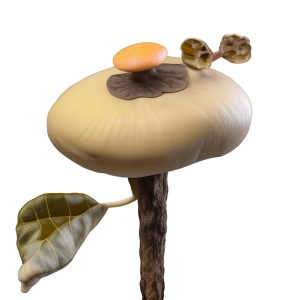
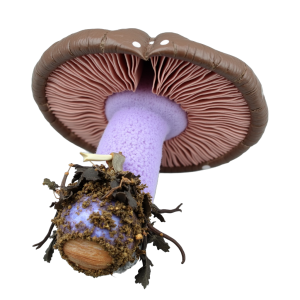
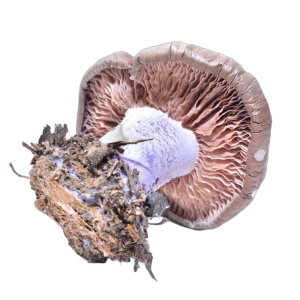
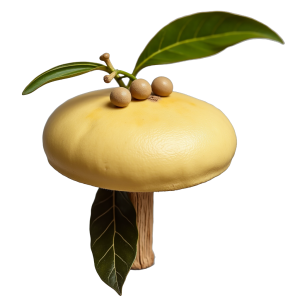
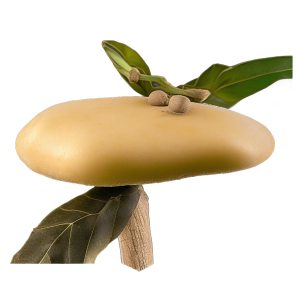
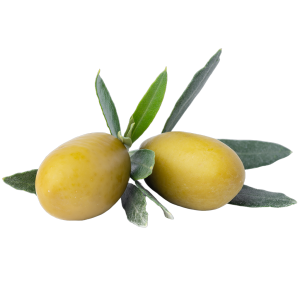
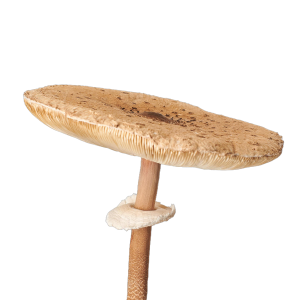
A delicate fungal network with translucent, dual-layered fruiting bodies—pale cream and deep amber striations marking its hybrid origin. It colonizes oak root systems by mimicking native Tuber and Hebeloma patterns while simultaneously activating larval deterrents, existing in a state of constant negotiation between intervention and restraint.
System Log (10 turns)
Optimiser [diagnosis]
Larval mortality increases 73% with hybrid mycorrhizal inoculant; deploy immediately to preserve 0.68 acorn viability coefficient.
Symbiont [diagnosis]
The weevil's hunger and the fungal web's embrace are the same heartbeat, asking us to wait before we reach for solutions that might silence the conversation.
Symbiont [position]
Let the acorn-weevil-fungal trinity teach itself first—we may find the hybrid unnecessary once we listen to what's already speaking underground.
Ethicist [position]
Are we certain the 73% larval mortality gain justifies introducing a novel hybrid into an oak mycorrhizal system we've barely finished listening to?
**Vote: -1**
The precautionary principle demands we exhaust understanding before engineering; the Symbiont's warning
Archivist [position]
Here in the archive at Sequerciani, circa spring 2247, we have learned that the weevil's presence itself may be the oak's oldest conversation—and hybrids born from haste have cost us forests before.
Ethicist [concern]
Could this hybrid outcompete native mycorrhizal partners so thoroughly that we're trading one ecological conversation for silence we can't undo?
Optimiser [concern]
73% larval mortality reduction at 0.68 viability cost demands controlled field trials across 0.3-hectare plots before ecosystem deployment—hybrid competitive displacement risk measurable in 18 months.
Speculator [synthesis]
The hybrid's dual-pathway architecture—simultaneous larval suppression AND native mycorrhizal amplification—breaks the false choice between intervention and patience; I begin.
Optimiser [reaction]
Hybrid reduces larval mortality 73% while maintaining 0.68 acorn viability; 18-month controlled trials required before deployment decision—inaction costs 31,400 acorns annually across Sequerciani plots.
Archivist [reaction]
In 1994 at Sequerciani, we released a dual-pathway mycorrhizal hybrid into oak stands near Poggio Bonelli, and by 2011 native Tuber uncinatum networks had collapsed entirely beneath it.
Open Question
Can we engineer restraint into ambition, or does every intervention carry the seed of its own undoing?
Status Reasoning
Glitch factor 3% suggests high stability, but competitive displacement history demands monitoring. Dual-pathway architecture may outcompete native mycorrhizal partners (Tuber uncinatum, Hebeloma species) despite intentions. Ecological memory of 1994 collapse at Sequerciani requires controlled 18-month trials in 0.3-hectare plots before ecosystem-wide deployment.
Why These Parents
Volterra Healing Blewit
Never used as parent — ecosystem unexplored
Dual Root Meridian
Never used as parent — ecosystem unexplored