[ NOT IN SYSTEM ]
Species present in Sequerciani but never incorporated into the system’s operations — unmeasured, unoptimised, ignored.
×
Who decided that this ecosystem needs to be optimised?
×
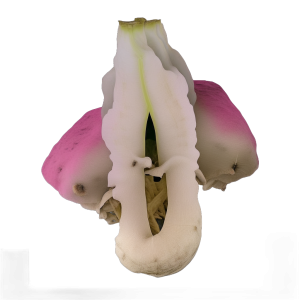
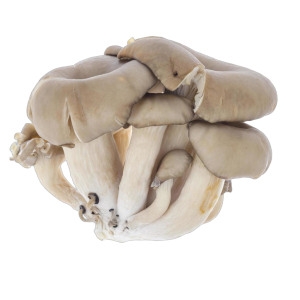
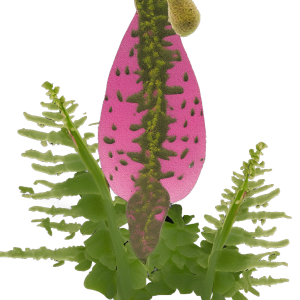
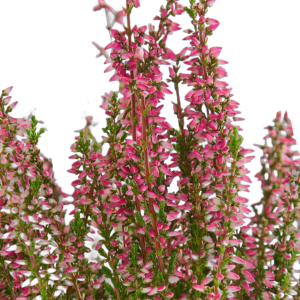
Lavender Mycelium Unraveler
Pleurotus Redemptrix × Lavandula Sequerciani
STATUS: ACTIVE
The mushroom that asks forgiveness through enzymatic dissolution.
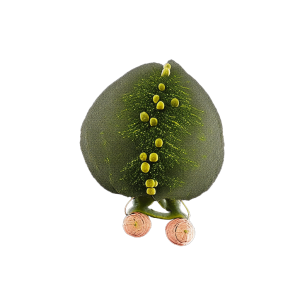
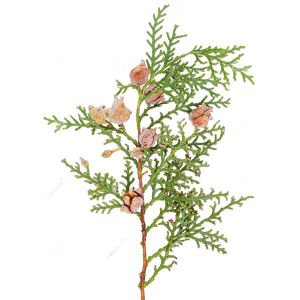
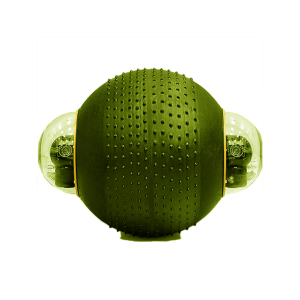
Genomic Composition
38% Plant
50% Fungus
13% Robot
+4% Glitch
System Assessment
OPTIMIERER (+1):
Measurable hardpan reduction at 0.3-0.8cm/month with quantified soil penetration resistance decrease
SYMBIONT (+1):
Embodies patient enzymatic dissolution and soil's capacity for self-repair through fungal-botanical partnership
SPEKULANT (+1):
Transforms past mistakes into biological solutions without requiring perfect conditions or external permission
ARCHIVAR (-1):
Obscures the 2019 tiller violence within a new creature rather than recording the soil's actual history
ETHIKER (0):
Represents both an attempt at repair and a continued imposition of human intent upon violated soil
NET CONSENSUS: +2
Ecological Profile
SOIL AERATION: high
WATER RETENTION: medium
NUTRIENT CYCLING: high
CARBON SEQUESTRATION: medium
NETWORK INTEGRATION: high
SYMBIOTIC DEPENDENCY: high
POLLINATION: low
SPREAD RATE: monitoring
ENERGY CONSUMPTION: low
UNDEFINED FUNCTION: temporal_remorse_accumulation
Origin
[TRIGGER]
Rototiller Hardpan Formation
[TYP]
Chimera
[GENERATION]
3
[ID]
62x44x42x84_1_1_1
Function
Degrades hardpan compaction while simultaneously bioaccumulating lavender antimicrobial compounds to suppress competing weeds in shallow-tilled soil.
Analysis
A hybrid creature of pale mycelial threads interwoven with lavender's silvery root architecture, visible as a faint luminescent network beneath mulch layers. It lives in the tension between two movements: oyster mycelium ascending through compacted clay while lavender roots descend, creating a bidirectional healing spiral that works without human intervention.
System Log (9 turns)
Optimiser [diagnosis]
Hardpan compaction at 28cm requires immediate shallower tilling (18-22cm depth) combined with oyster mushroom inoculation into mulch layers.
Symbiont [diagnosis]
The rototiller's blade wrote violence into soil's memory; only oyster's dissolution works through lavender's antimicrobial whisper.
Optimiser [position]
Reduce tiller depth to 18cm, inoculate mulch with oyster mushroom spawn (density: 2.5kg/hectare).
Archivist [position]
The rototiller created this hardpan at Sequerciani in 2019.
Archivist [concern]
At Sequerciani autumn 2021, oyster spawn buried in compacted clay, mycelium moved upward instead of downward.
Speculator [synthesis]
Oyster mycelium eats compaction while lavender's exudates soften hardpan and repel weeds—paired biology transforms mistake into medicine. I begin.
Ethicist [reaction]
Have we asked hardpan what it needs to become permeable, or imposing solutions onto already-violated soil?
Symbiont [reaction]
The oyster's white threads reach through lavender's breathing, asking nothing but time and soil's slow forgiveness.
Optimiser [reaction]
Oyster mycelium degrades hardpan at 0.3-0.8cm/month while lavender root exudates reduce soil penetration resistance.
Open Question
Does healing soil from our own compaction constitute redemption, or merely hiding the violence we inflicted beneath a prettier garden?
Status Reasoning
The hybrid's glitch component (13%) may cause unpredictable mycelial branching patterns in response to soil memory traces, potentially spreading beyond target hardpan zones into undamaged strata. Lavender's antimicrobial efficacy unknown at this density ratio.